

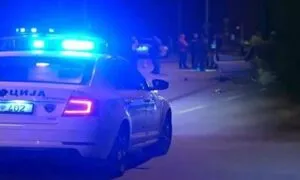
Prime suspect in the Dukjandžik killing arrested in Kosovo - the hunt for the second goes on
26.09.2026


26.09.2026
26.09.2026
26.09.2026
26.09.2026
26.09.2026

26.09.2026

26.09.2026
25.09.2026

24.09.2026

26.09.2026

26.09.2026

25.09.2026
26.09.2026

26.09.2026

26.09.2026

26.09.2026

25.09.2026

24.09.2026
26.09.2026

26.09.2026

25.09.2026

26.09.2026

26.09.2026

26.09.2026

09.03.2026

27.02.2026

19.02.2026

26.09.2026

25.09.2026
24.09.2026

23.04.2026

23.04.2026

12.04.2026

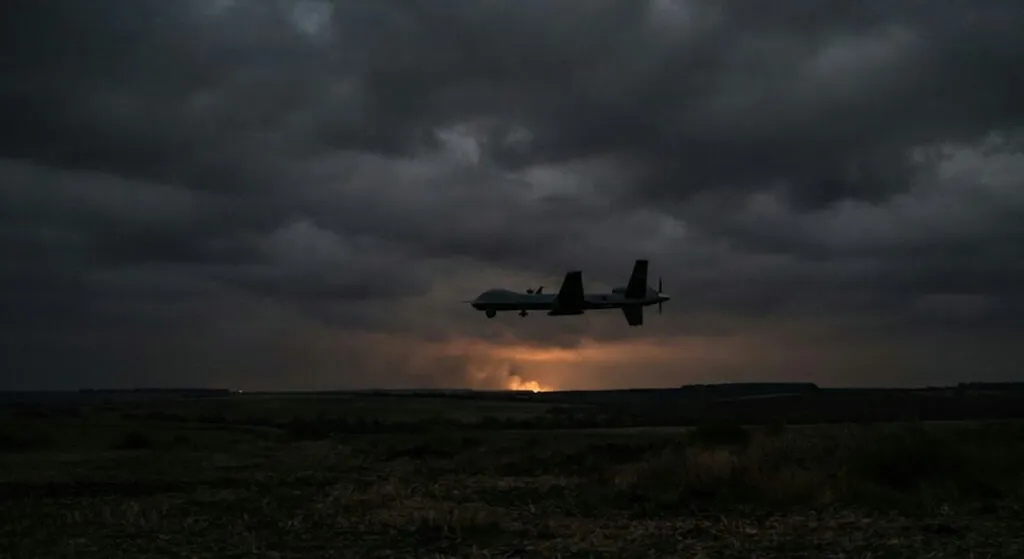
Ukraine is striking deep behind Russia's front line more and more often with its own long-range drones. Among them is the Fire Point FP-2 - a drone with a warhead of more than 100 kilograms and enough range for targets over 300 kilometres away. The war is entering a new phase in which both sides hit hundreds of kilometres behind the front. And Moscow, meanwhile, has upgraded its arsenal with jet-powered drones.
The "Raid" unit was set up two years ago and since last autumn has been using Ukrainian-made FP-2 attack drones. One of its commanders, Skipper, was an IT specialist with a master's degree in computer science before the war. At the start, he says, one crew could carry out two missions a week. "Today we can do ten times more, and even more than that." Asked whether war at a distance is easier because you don't see anyone die, he says there's another side to it: "They can do the same thing. Maybe you don't see the enemy with your own eyes, but this is still very dangerous."
The numbers on the front
Results are measured in square kilometres. In August Russia seized 90 square kilometres of Ukrainian territory, against 505 in the same month last year. Western officials estimate Russia loses 6,000 more soldiers every month than it manages to recruit. A major attack, like the one on 20 September that knocked out a refinery in Moscow, around 500 kilometres from the border, requires several units working at once. A single strike like that can involve up to 300 drones, and the goal is 1,000 aircraft in one night. Soldiers describe it as an "orchestra" in which the cheaper drones open an air corridor to the real target.
The FP-1 drone, which costs 75,000 dollars, has been used repeatedly to attack depots and refineries up to 2,900 kilometres inside Russian territory. According to the International Energy Agency, these attacks have caused a 7.7 percent drop in Russian crude oil output in a year, while interest rates have stayed at 14 percent. "Both sides are becoming increasingly skilled at inflicting economic damage deep in the opponent's territory," says Sidharth Kaushal of the London-based RUSI institute.
Programmers and gamers at the controls
Unit 17 of the Special Operations Centre, which operates on the eastern front in Donetsk, showed its work from a base housed in a holiday cottage. Znakhar (33) was a programmer before the Russian invasion. By day he picks static targets on a screen - artillery, electronic jamming systems - whose coordinates come from Western satellites or Ukrainian reconnaissance drones. At night the crew flies the "Sich" drone, worth 25,000 dollars. If the rain stops, they carry out two to six strikes, tens of kilometres behind enemy lines. Asked what has changed recently, he answers briefly: "More drones. Russian drones."
His colleague Ananas (30) studied architecture and then worked as a 3D artist at a video game studio. "I play a lot of video games, so I'm good with a controller. That's a big plus, because now I'm a pilot," he says. They now prepare launches underground - two years ago they could work out in the open.
Moscow's answer
Since February 2022 Russia has had ballistic and cruise missiles that can hit any part of Ukraine. In the first year of the war it imported Iranian "Shaheds", then developed its own version. The original Iranian Shahed, which Russia calls the "Geran-2", has now been redesigned and fitted with a jet engine. The new "Geran-4" flies at 300 to 550 kilometres an hour, and the cigar-shaped "Geran-5" reaches almost 600. Estimates suggest Russia will produce 36,000 jet-powered Shaheds and 10,000 light "Banderol" cruise missiles by 2027. The engines are made in China, and the new weapons are faster than Ukraine's interceptors, which were designed for the older models. The interception rate, once above 90 percent, has fallen to 60 percent against the new Russian models. "Russia never stops," says Serhiy Beskrestnov, Zelensky's adviser on defence technology.
Civilians pay the price. In a rare morning attack on central Kyiv, a market next to the main railway station and a business centre were hit - two dead and 41 injured. In late August a Geran-4 hit an ammunition depot in the village of Myla near Kyiv, killing 38 people. According to UN data, 2,222 people were killed in Ukraine in the first eight months of 2026 - more than in the whole of 2025. Food supplies in Kyiv's supermarkets have become irregular after repeated attacks on warehouses.
Kaushal warns that the consequences may be heavier for Ukraine: Russia has a more varied long-range arsenal, stronger air defences and a society that hasn't been under this kind of pressure for as long. Kyiv, for its part, has a hole in its military budget and must find an extra 40 billion pounds next year. Still, neither side is anywhere near defeat.
At the base, Ananas and Znakhar wonder whether the war will ever end. "We just have to hold out one day longer than them," says Znakhar. The Balkans know what a war looks like that nobody can win and nobody wants to end. How many nights of 300 drones will it take for someone in Moscow to sit down at the table?
The latest 10 news from this category
Saudi Arabia's highest religious authority has told soldiers to be ready to die in the war with the Houthis. When...
Ukrainian drones are hitting refineries hundreds of kilometres deep inside Russia, while Russia's jet-powered "Shaheds" are already breaking through Ukraine's...
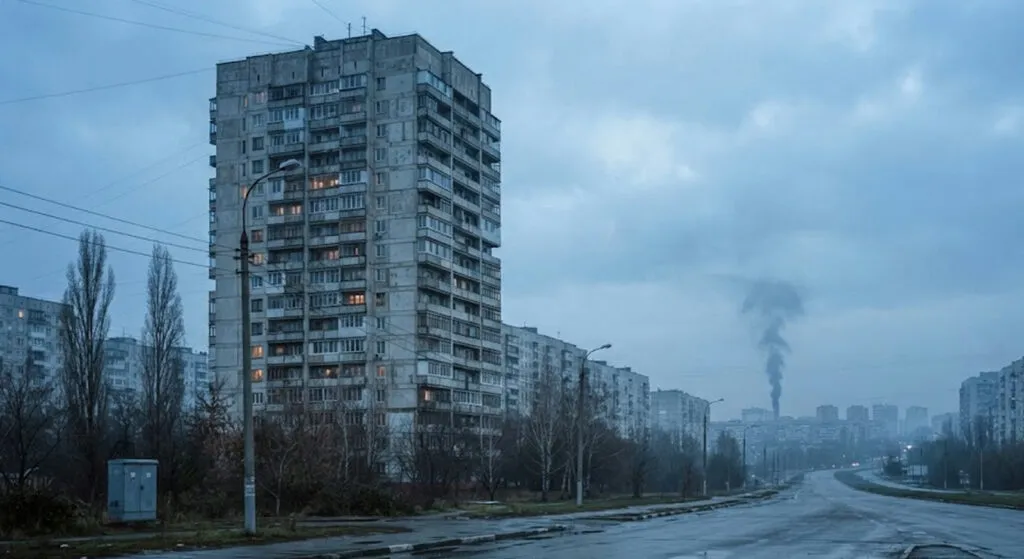
Russian sources call it a "Geran night", as if it were a date in the calendar. Explosions from Kyiv and...
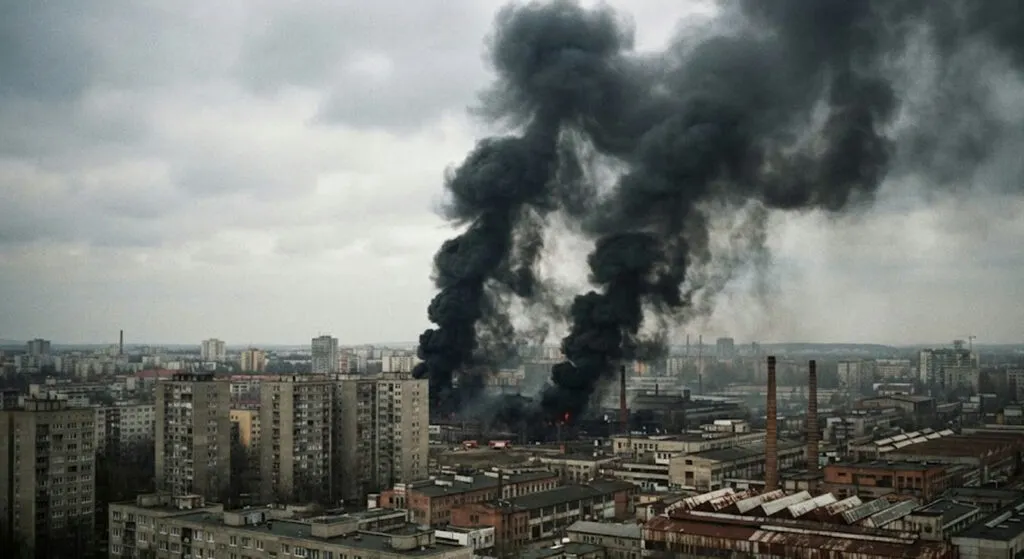
One dead, eight injured, two major providers offline and the city railway halted. The Balkans knows what a city preparing...
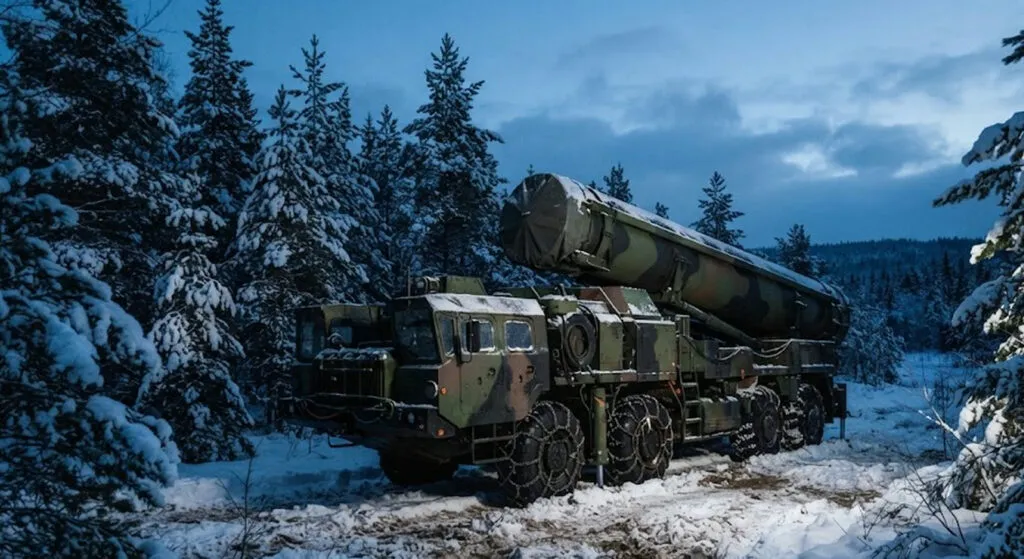
99 MPs voted in favour, and a threat arrived from Moscow right away. Is a small country on the line...
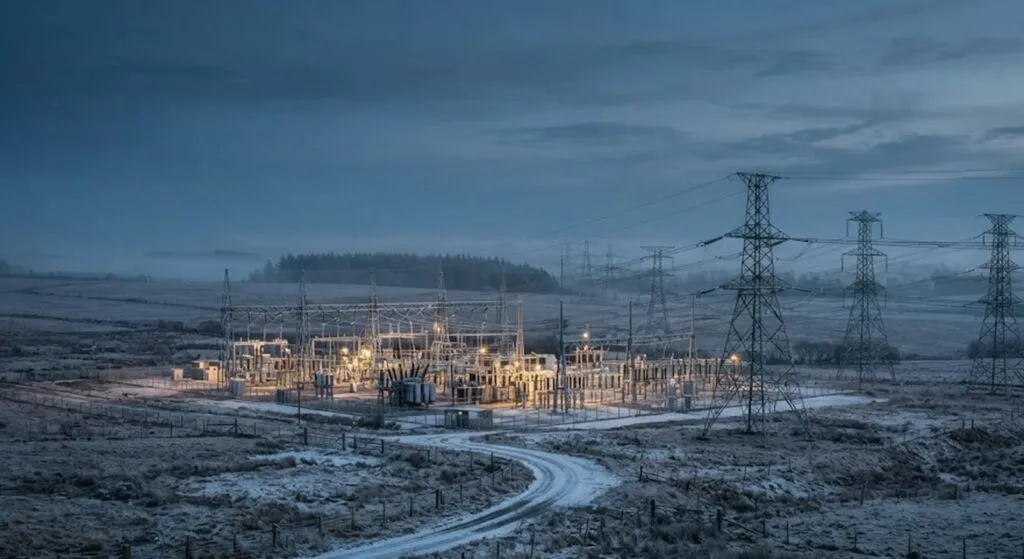
The offer is deliberately narrow - energy only, with a deadline before winter. When a power line goes down in...
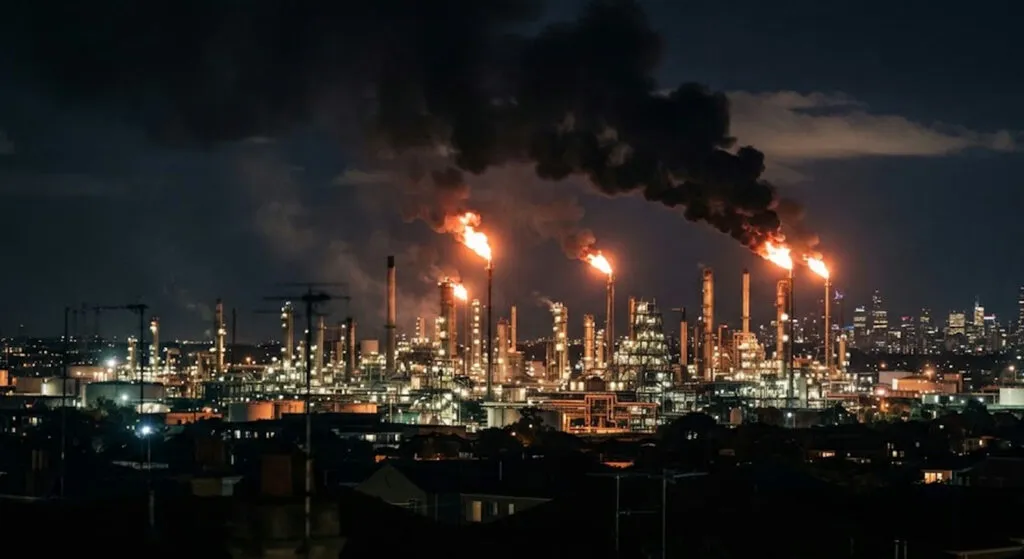
On the night Russia was closing its parliamentary elections, Ukrainian drones reached the refinery at Kapotnya and residential blocks in...
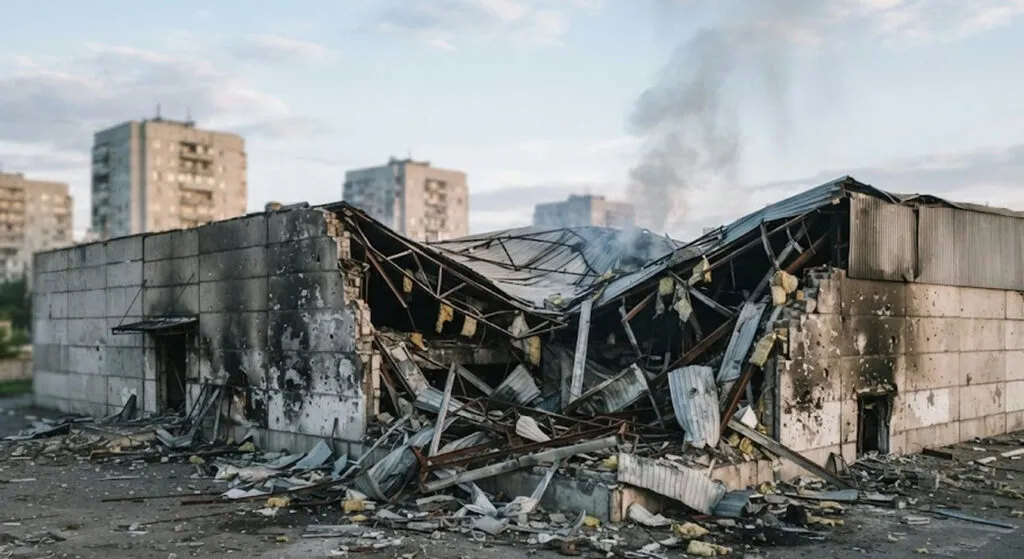
Every sentence about last night's offensive has the same author - the Russian Ministry of Defence. There is smoke over...
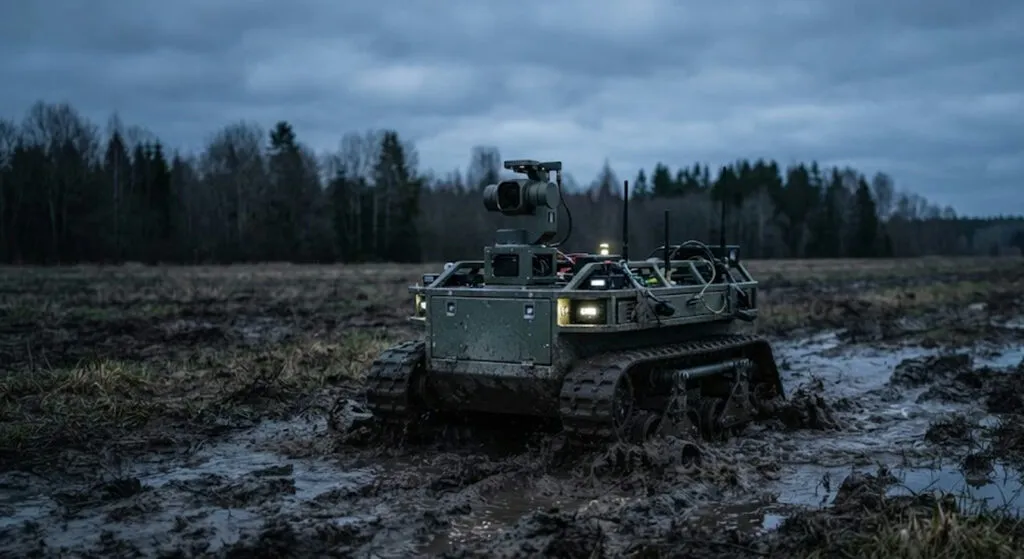
The Telegram statement reads like a trailer: drones that blind drones, robots dropped from the air behind enemy lines, and...
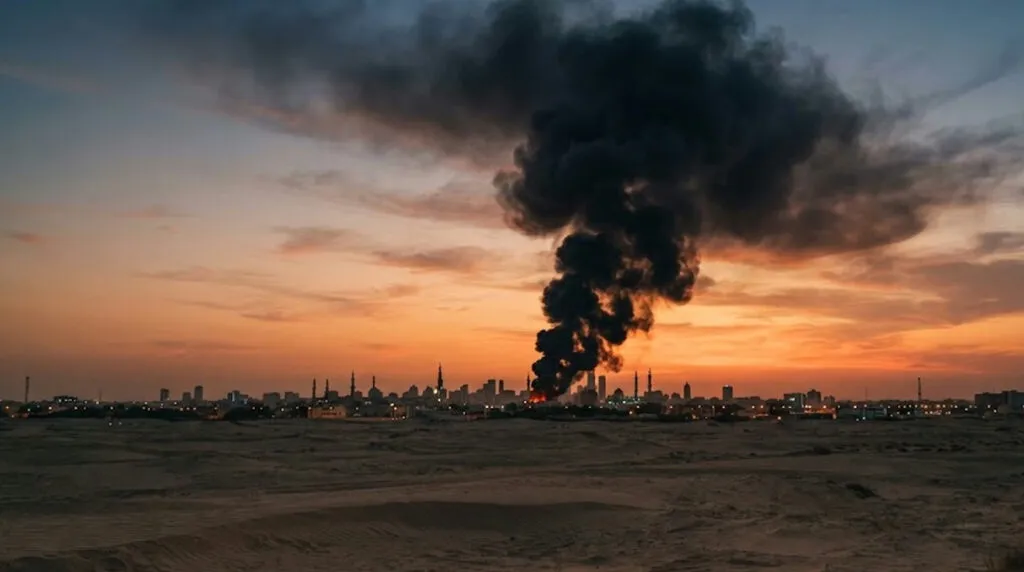
Black smoke over the main airport, sirens in the middle of the night and a state that will not say...
This site uses cookies - is that okay? Learn more
Be the first to know when Metla launches something new
Leave your email and we will write when there is a new guide or something new on Metla.
