
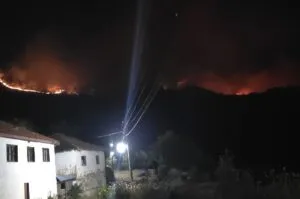
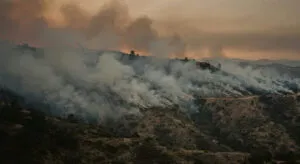
33 fires in 24 hours: a beech forest is burning in Kicevo, and near Kumanovo the flames reached the houses
24.08.2026


24.08.2026

24.08.2026
24.08.2026
24.08.2026
24.08.2026
24.08.2026
24.08.2026
23.08.2026
22.08.2026

24.08.2026

24.08.2026

23.08.2026

24.08.2026

24.08.2026
23.08.2026

24.08.2026
23.08.2026

22.08.2026

24.08.2026
24.08.2026
24.08.2026
24.08.2026

24.08.2026

23.08.2026

09.03.2026

27.02.2026

19.02.2026

24.08.2026
23.08.2026
23.08.2026

23.04.2026

23.04.2026

12.04.2026
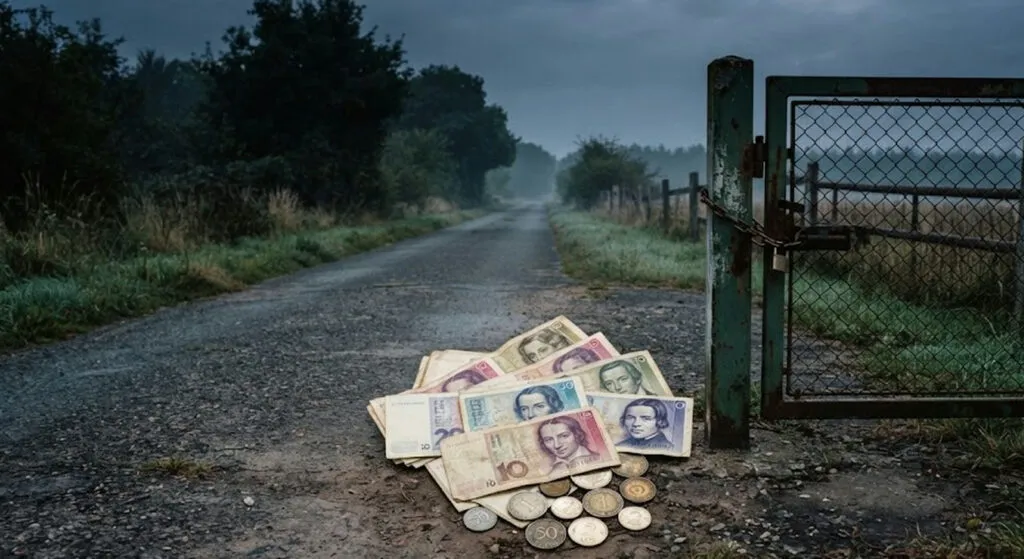
Alice Weidel did not hide it. In a summer interview with German public television, the AfD leader laid out the plan without a single softening: leave the euro, close the borders, exit Schengen. Three sentences that take apart the entire architecture of the European project Germany spent seventy years building.
On the currency she claims "Germany was considerably better off before the euro was introduced" - in her view the common currency weakened the German economy and reduced household wealth. On borders she was even shorter: "We will close them and leave Schengen." Plus mass deportations, stricter citizenship rules and the abolition of asylum protection for Syrians.
This is not a fringe party shouting from the back row. Ahead of the 6 September election in Saxony-Anhalt, the AfD is polling above 40 percent. Nationally it stands at 27 percent - five points ahead of Friedrich Merz's CDU, which has 22. Weidel also said the part that stings most: "We will govern in the first federal states. And we will govern at federal level."
Who opened the door
The party that started in 2013 as an academic, eurosceptic initiative against the Greek bailout is today a nationalist force on the right. Between those two points sits a decade in which the mainstream parties held to a strategy of boycott - no cooperation, no conversation, a wall. The result of that wall is a party on 27 percent.
For Macedonia this is not a distant German topic. Schengen is not an abstraction for anyone who has waited at a border crossing, and the euro is the currency in which both the wages of people working abroad and the prices at home are calculated. When the second largest party in the EU's biggest economy openly says it wants to dismantle both, the question is not whether that happens tomorrow - the question is what is left of the promise we have been waiting on for twenty years.
Weidel is an economist, a former Goldman Sachs employee, and speaks Mandarin. She is no street figure, and that is exactly the point: her votes do not come from the margins but from voters who believe the mainstream is not listening to them. A familiar scene?
The latest 10 news from this category
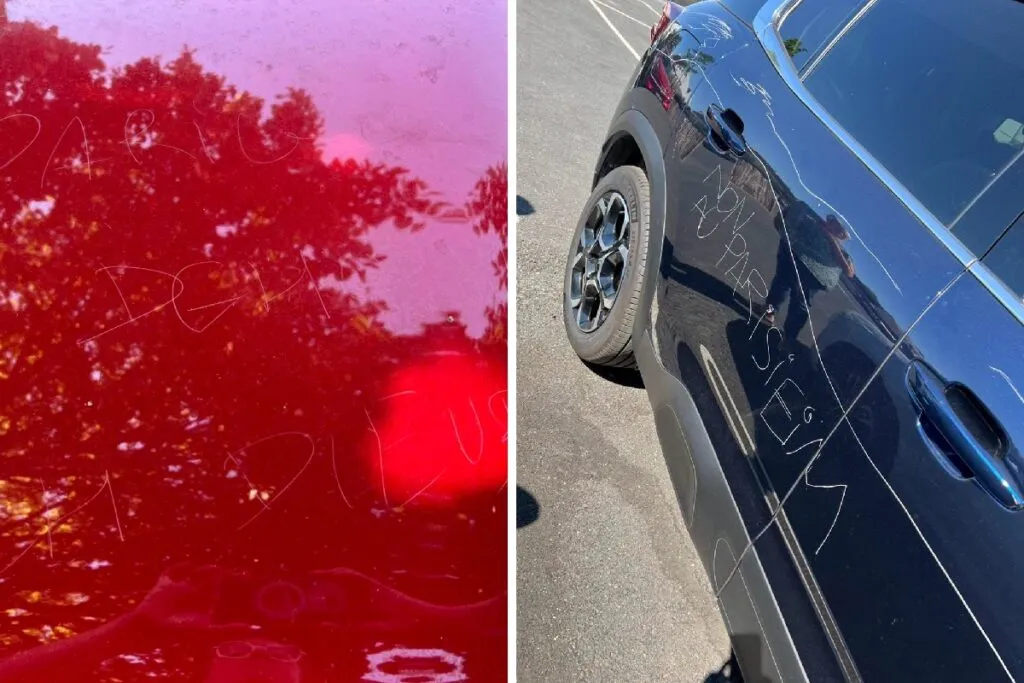
Messages scratched into cars, writing on walls. But the revolt is not against foreigners - it is against their own...
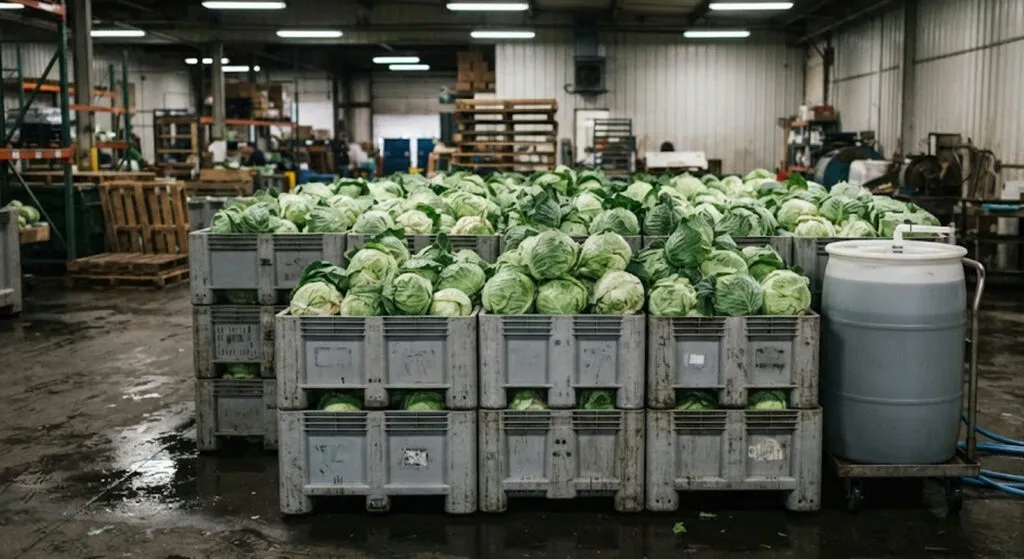
A blogger filmed cabbage being dipped in a banned chemical and the authorities confirmed the footage is genuine. China grows...
The biggest sanctions package yet is being billed as historic isolation. The problem is that the ties that need cutting...
The 89-year-old Norwegian king is on antibiotics for a bacterial bloodstream infection. When a palace that says as little as...
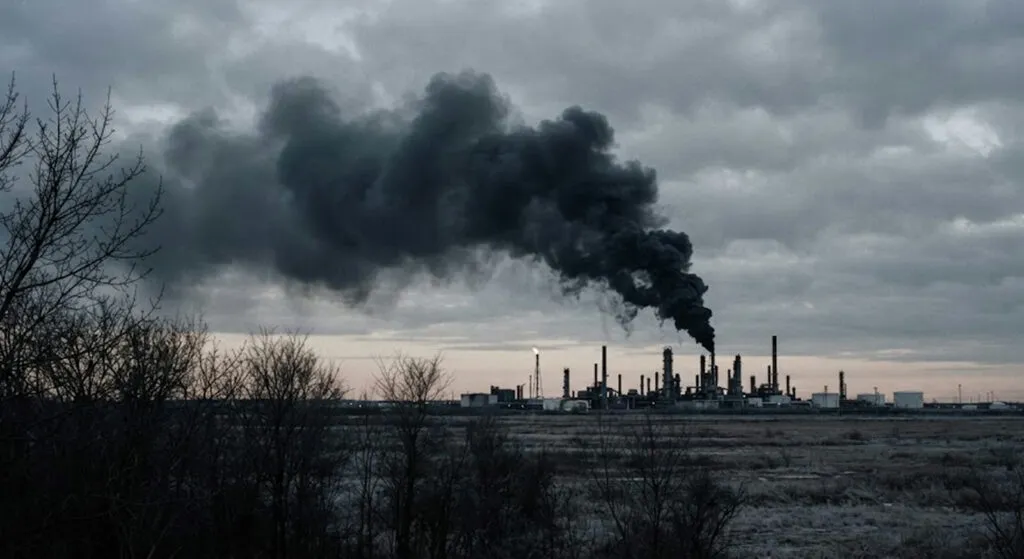
A coup, a default, the Kursk, Georgia, the poisoning of Navalny - all in August. This summer: smoke over refineries...
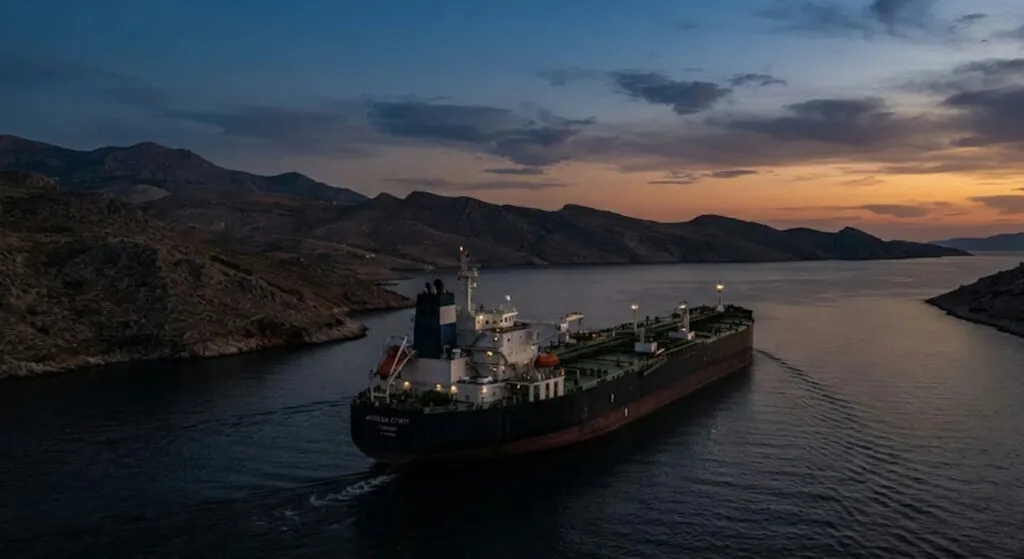
First a threat to attack the interests of anyone joining the American pressure campaign. Then - talks with Oman and...
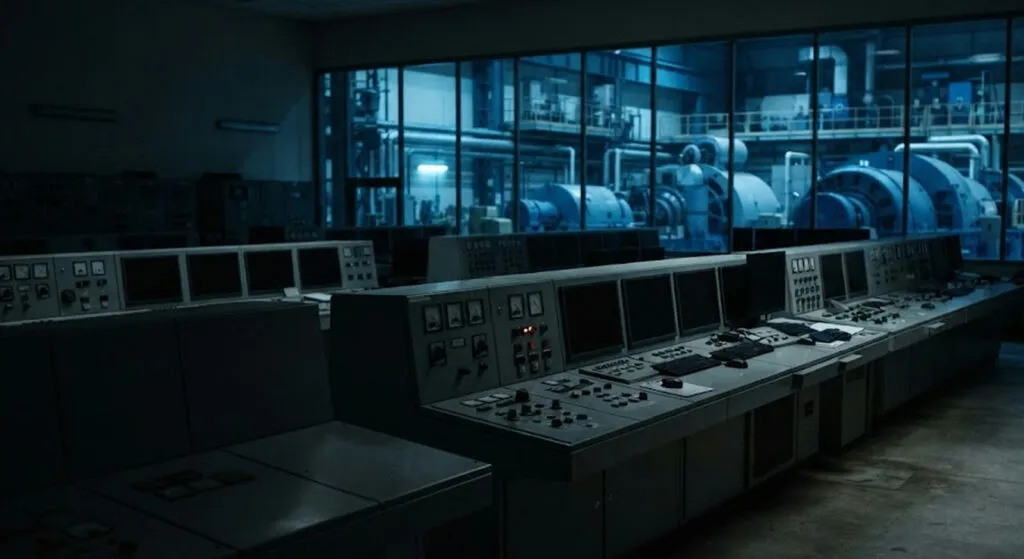
Not a fault, not a storm - an attack from a distance. For four days the plant stood dead, and...
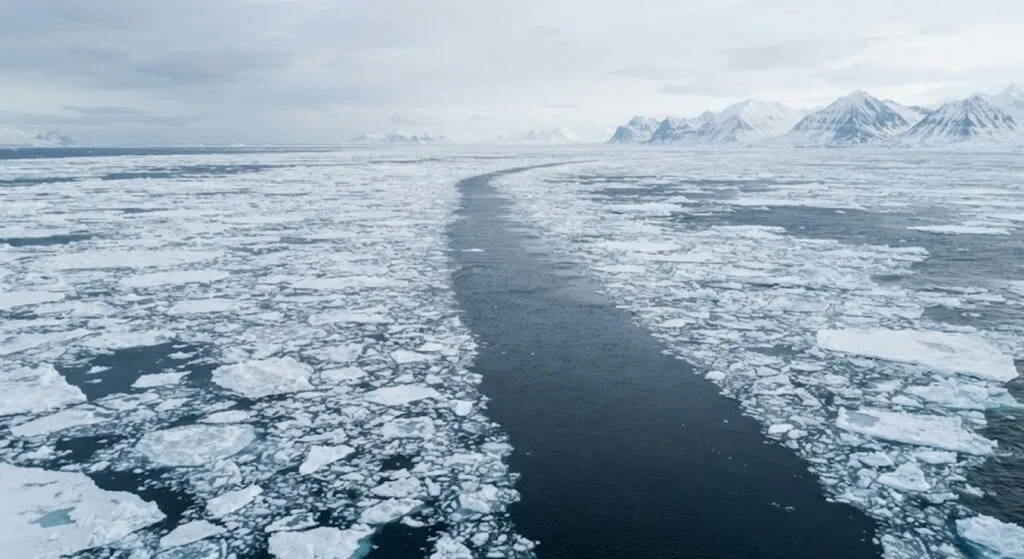
A Washington ally duly waited for Russian clearance to sail along the Arctic coast. Brussels is unhappy, but the ship...
The court called the publisher's costs exceptionally high - and then ordered Harry to pay them. Forty million for one...
An eighteen-year-old former pupil with a previous conviction entered a school of 450 children. Exactly one year after Orebro, where...
This site uses cookies - is that okay? Learn more
Be the first to know when Metla launches something new
Leave your email and we will write when there is a new guide or something new on Metla.
