
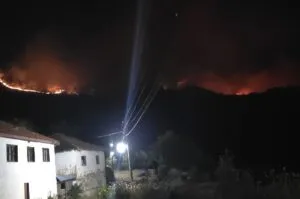
33 fires in 24 hours: a beech forest is burning in Kicevo, and near Kumanovo the flames reached the houses
24.08.2026


24.08.2026

24.08.2026

24.08.2026
24.08.2026

24.08.2026
24.08.2026

24.08.2026
23.08.2026
22.08.2026

24.08.2026

24.08.2026

23.08.2026

24.08.2026

24.08.2026

23.08.2026

24.08.2026

23.08.2026

22.08.2026

24.08.2026

24.08.2026

24.08.2026

24.08.2026

24.08.2026

23.08.2026

09.03.2026

27.02.2026

19.02.2026

24.08.2026
23.08.2026
23.08.2026

23.04.2026

23.04.2026

12.04.2026
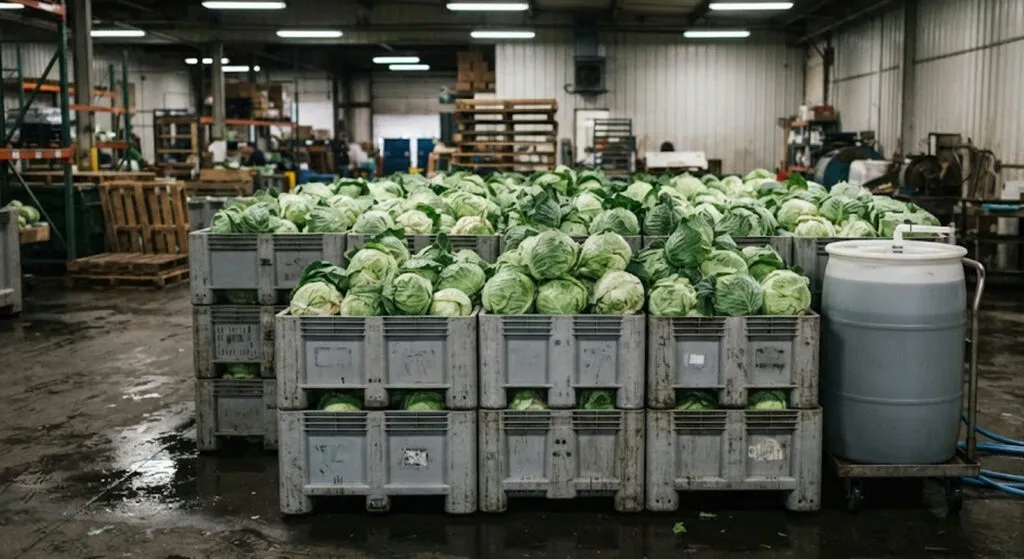
The clip runs for a few seconds and needs no explanation: people dip cabbage heads into a solution, then load them onto trucks. An environmental blogger posted it last week, and the authorities in the northeastern province of Hebei confirmed it is genuine. The solution, according to the report, contained formaldehyde - a chemical that is strictly banned in China for preserving food and is classified as a possible carcinogen.
Police have taken measures against those involved, state media said. The local government in Kangbao county issued a sentence that is almost universal for situations like this: "Strict legal measures will be taken against all illegal or non-compliant activities in order to ensure the safety of vegetable supply." Extraordinary inspections are being carried out across the country in parallel, and the investigation is meant to establish how widespread the practice is and to withdraw the contaminated batches.
The problem does not stop at the border
This is not local news. China produces over 30 million tonnes of cabbage a year - roughly half of global output - and exports significant quantities to neighbouring Asian countries, among them Vietnam, South Korea and Russia. The Xinfadi market in Beijing announced it had checked the origin of its cabbage and that no contaminated batches had reached it.
Note the structure of the response: first a blogger's video, then confirmation from the authorities, then an attempt to prevent panic. The institutions did not discover the problem - they discovered it after someone filmed it. That is a pattern that is no Chinese speciality.
The question that remains for the reader here is more specific. Imported vegetables go through inspection - the Food and Veterinary Agency is the body that takes samples and publishes the results. How many samples have been taken this year, what were they tested for and where were the findings published? That is data that does not need a blogger with a mobile phone to come to light, only an institution doing the job it was set up to do.
The latest 10 news from this category

Leaving the euro, closed borders, the end of Schengen - and 27 percent support nationally. The question is no longer...
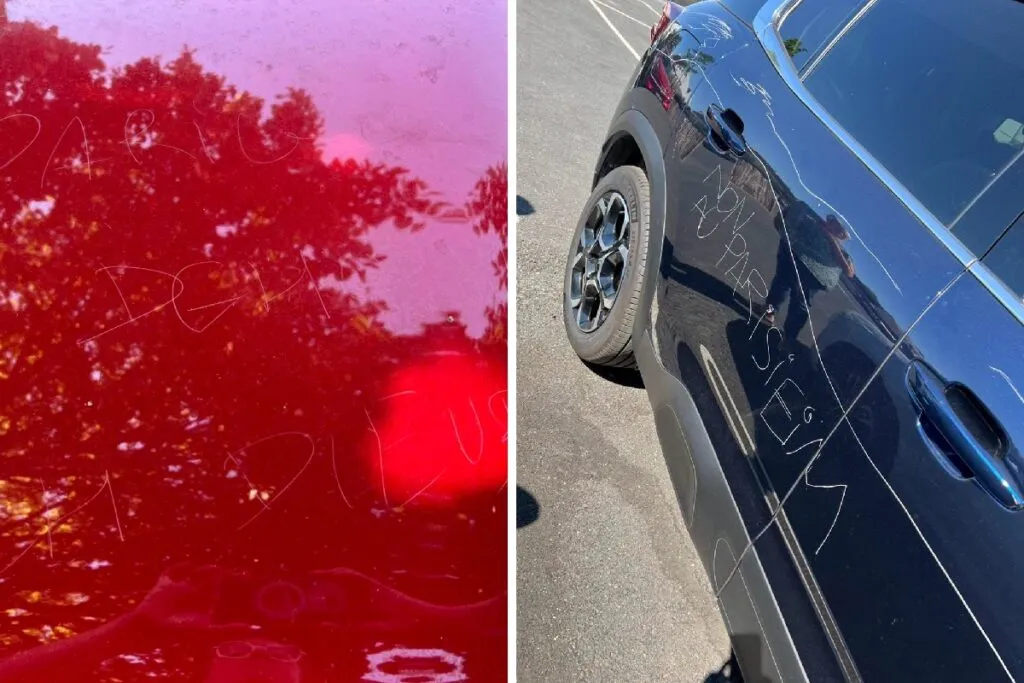
Messages scratched into cars, writing on walls. But the revolt is not against foreigners - it is against their own...

The biggest sanctions package yet is being billed as historic isolation. The problem is that the ties that need cutting...

The 89-year-old Norwegian king is on antibiotics for a bacterial bloodstream infection. When a palace that says as little as...
A coup, a default, the Kursk, Georgia, the poisoning of Navalny - all in August. This summer: smoke over refineries...

First a threat to attack the interests of anyone joining the American pressure campaign. Then - talks with Oman and...

Not a fault, not a storm - an attack from a distance. For four days the plant stood dead, and...

A Washington ally duly waited for Russian clearance to sail along the Arctic coast. Brussels is unhappy, but the ship...

The court called the publisher's costs exceptionally high - and then ordered Harry to pay them. Forty million for one...
An eighteen-year-old former pupil with a previous conviction entered a school of 450 children. Exactly one year after Orebro, where...
This site uses cookies - is that okay? Learn more
Be the first to know when Metla launches something new
Leave your email and we will write when there is a new guide or something new on Metla.
