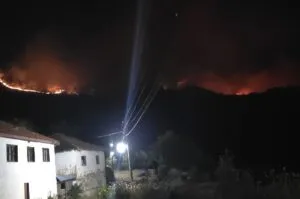
33 fires in 24 hours: a beech forest is burning in Kicevo, and near Kumanovo the flames reached the houses
24.08.2026


24.08.2026

24.08.2026

24.08.2026

24.08.2026

24.08.2026
24.08.2026

24.08.2026

23.08.2026
22.08.2026

24.08.2026

24.08.2026

23.08.2026

24.08.2026

24.08.2026

23.08.2026

24.08.2026

23.08.2026

22.08.2026

24.08.2026

24.08.2026

24.08.2026

24.08.2026

24.08.2026

23.08.2026

09.03.2026

27.02.2026

19.02.2026

24.08.2026
23.08.2026
23.08.2026

23.04.2026

23.04.2026

12.04.2026
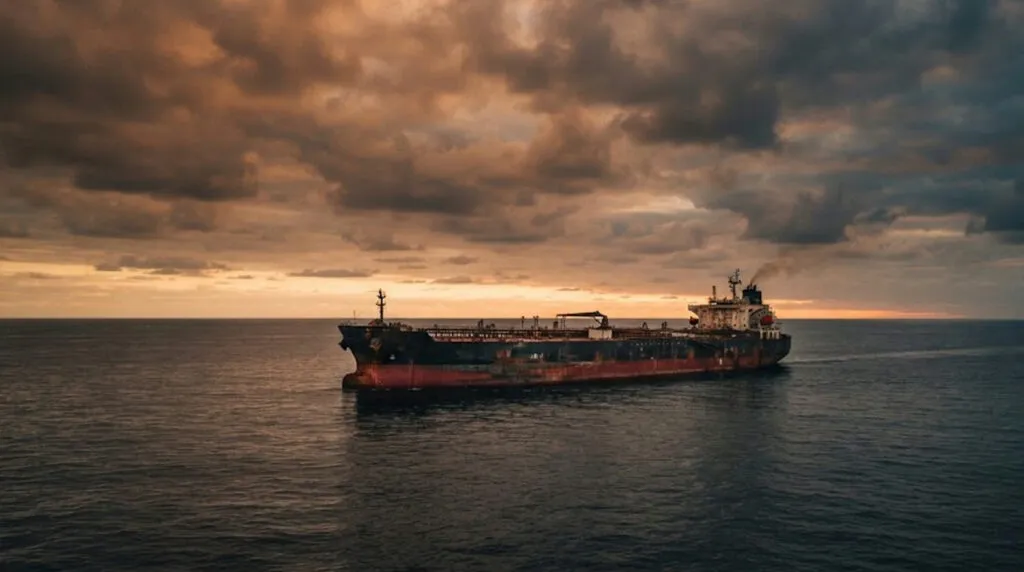
Washington says that at 20:00 tonight it will unveil the largest package of sanctions against Iran to date. US Treasury Secretary Scott Bessent called it an "economic D-Day" and described it as the largest coordinated economic isolation in world history. The wording is his, not ours - and it is worth pausing on, because it is rare for an official to write his own monument inscription before the event has happened.
The goal is clear: cut the last economic ties keeping the Iranian economy afloat. The problem, equally clear, is that those ties do not lead to Tehran - they lead to Beijing. China buys over 80 percent of Iran's seaborne oil exports. That is not background detail to the story, that is the story.
Asked directly whether the American measures would also hit China, Bessent answered with a sentence that says more than the entire announcement: "Many conversations are best had in private." He then added that it is in China's interest to cooperate, given how much energy it draws from the Gulf. No threat, no deadline, no figure. Just a message - we know what you are buying and we know where from.
The market reacted before the measures existed
Brent closed last week at 94.39 dollars a barrel, up 6.39 percent on the week. US crude rose 5.66 percent. Those are moves that happen before the measures are even announced - a reaction to a statement, not to a fact. When one minister's word is worth six percent on the largest commodity market, the question is not whether the sanctions will work but who has already made money on the announcement.
Beijing responded in its usual register: "sanctions and pressure will not solve the problems", political and diplomatic solutions are needed. The state-run Global Times went more directly and read the American move as an attempt to cut its own losses and shift the cost of pressure onto other countries. That is a sentence anyone living in a small market will recognise - somebody big makes a deal, and the bill travels downwards.
And inside Iran, they are not speaking with one voice
President Masoud Pezeshkian says hostilities should end while Iran is in a position of strength. The military at the same time promised a "painful, punitive and devastating" response to American threats. Those are not two shades of the same message - they are two different states speaking across the same border.
The Balkans knows this scene by heart: the big players send each other messages through press releases, while the actual deal is done in private - exactly as Bessent said. Whether economic isolation really changes decisions in Tehran, or merely moves the buyers to a different address, we will only know once tonight's "D-Day" stops being a headline and becomes a list of measures.
The latest 10 news from this category
Leaving the euro, closed borders, the end of Schengen - and 27 percent support nationally. The question is no longer...

Messages scratched into cars, writing on walls. But the revolt is not against foreigners - it is against their own...
A blogger filmed cabbage being dipped in a banned chemical and the authorities confirmed the footage is genuine. China grows...

The 89-year-old Norwegian king is on antibiotics for a bacterial bloodstream infection. When a palace that says as little as...
A coup, a default, the Kursk, Georgia, the poisoning of Navalny - all in August. This summer: smoke over refineries...
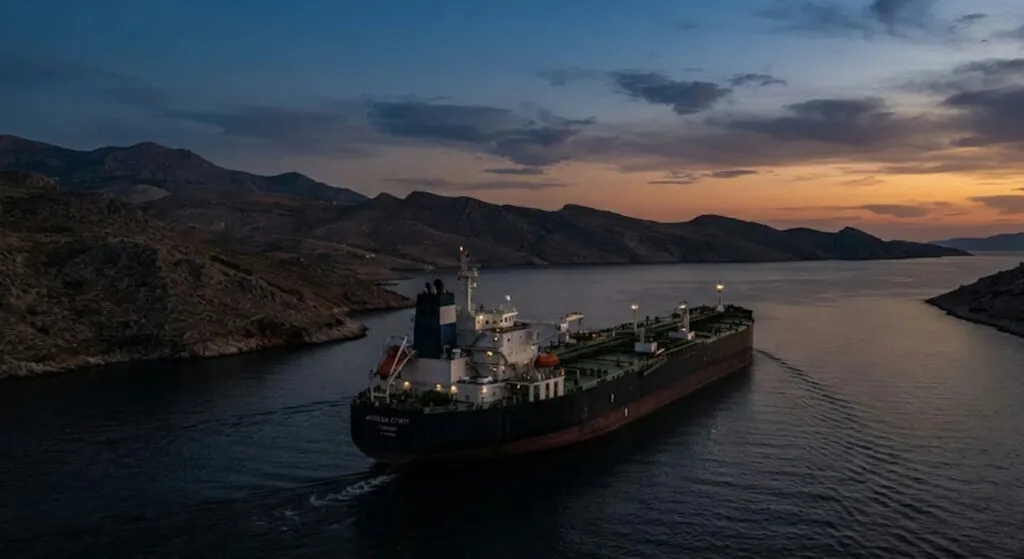
First a threat to attack the interests of anyone joining the American pressure campaign. Then - talks with Oman and...
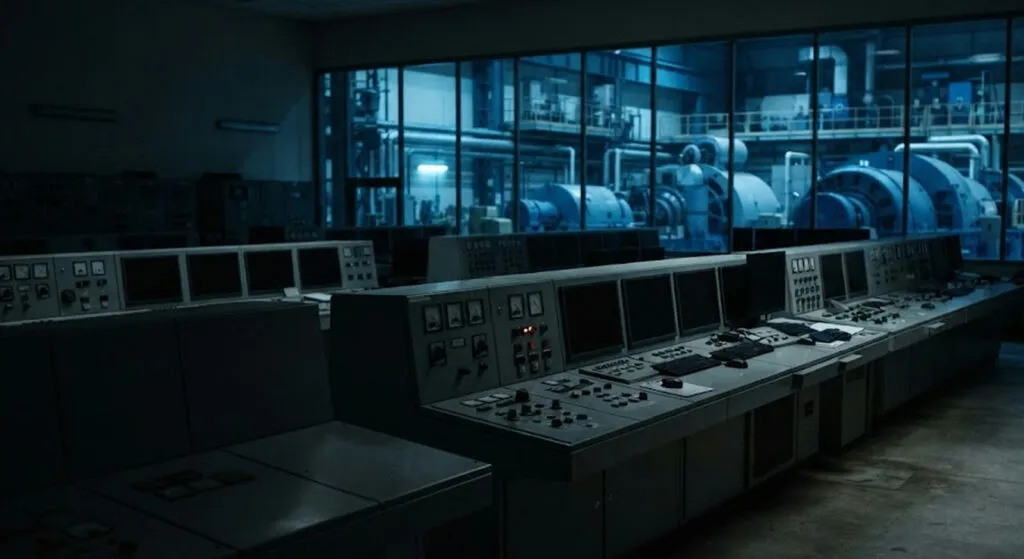
Not a fault, not a storm - an attack from a distance. For four days the plant stood dead, and...
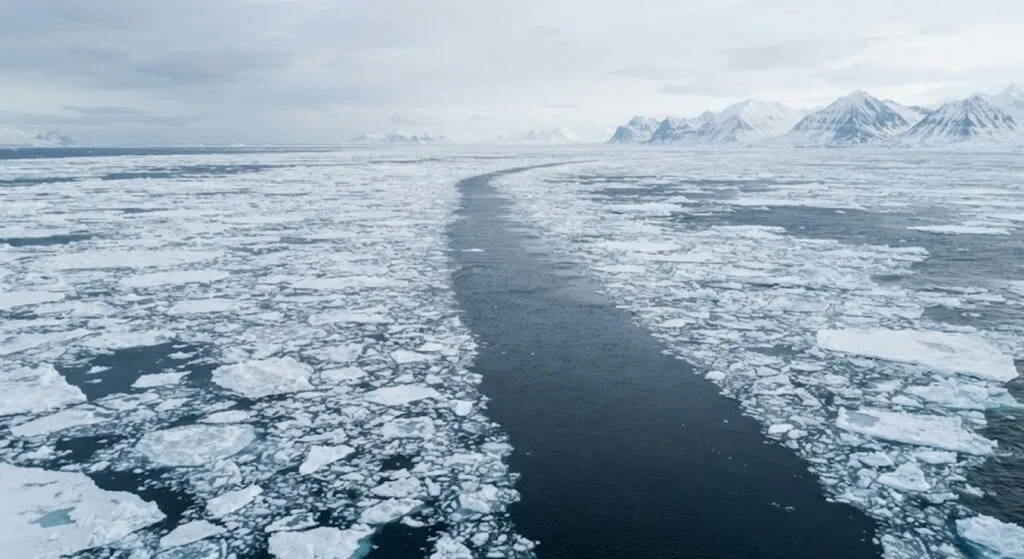
A Washington ally duly waited for Russian clearance to sail along the Arctic coast. Brussels is unhappy, but the ship...

The court called the publisher's costs exceptionally high - and then ordered Harry to pay them. Forty million for one...
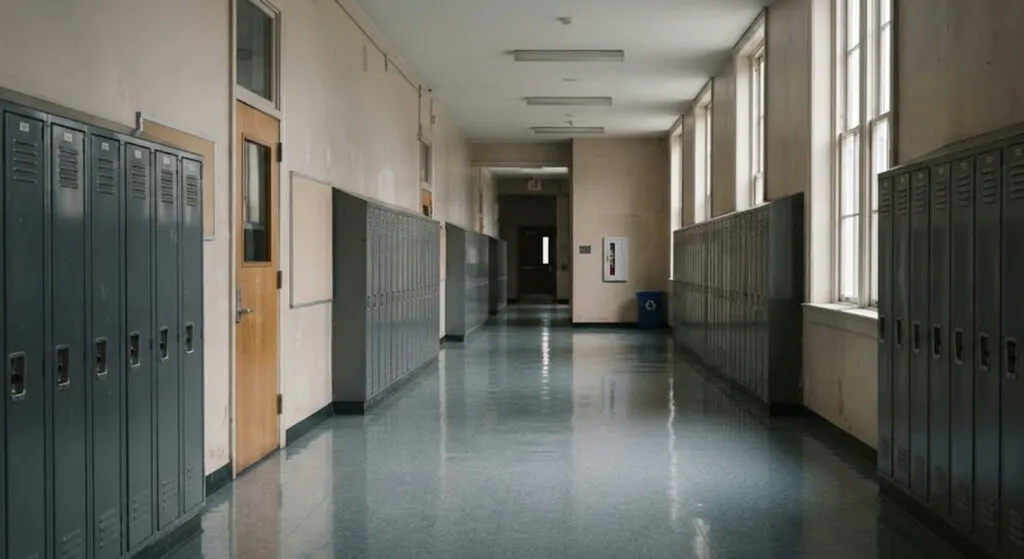
An eighteen-year-old former pupil with a previous conviction entered a school of 450 children. Exactly one year after Orebro, where...
This site uses cookies - is that okay? Learn more
Be the first to know when Metla launches something new
Leave your email and we will write when there is a new guide or something new on Metla.