
Sixteen Arrests in Twenty-Four Hours, All for Drugs: The Police Are Working - But Where Are All These People Coming From?
20.09.2026


20.09.2026

20.09.2026

20.09.2026
20.09.2026

20.09.2026

20.09.2026

20.09.2026

20.09.2026

20.09.2026

20.09.2026

20.09.2026

19.09.2026

20.09.2026

20.09.2026

20.09.2026

20.09.2026

19.09.2026

18.09.2026
20.09.2026

20.09.2026

20.09.2026

20.09.2026

20.09.2026

20.09.2026

09.03.2026

27.02.2026

19.02.2026

20.09.2026

19.09.2026

18.09.2026

23.04.2026

23.04.2026

12.04.2026

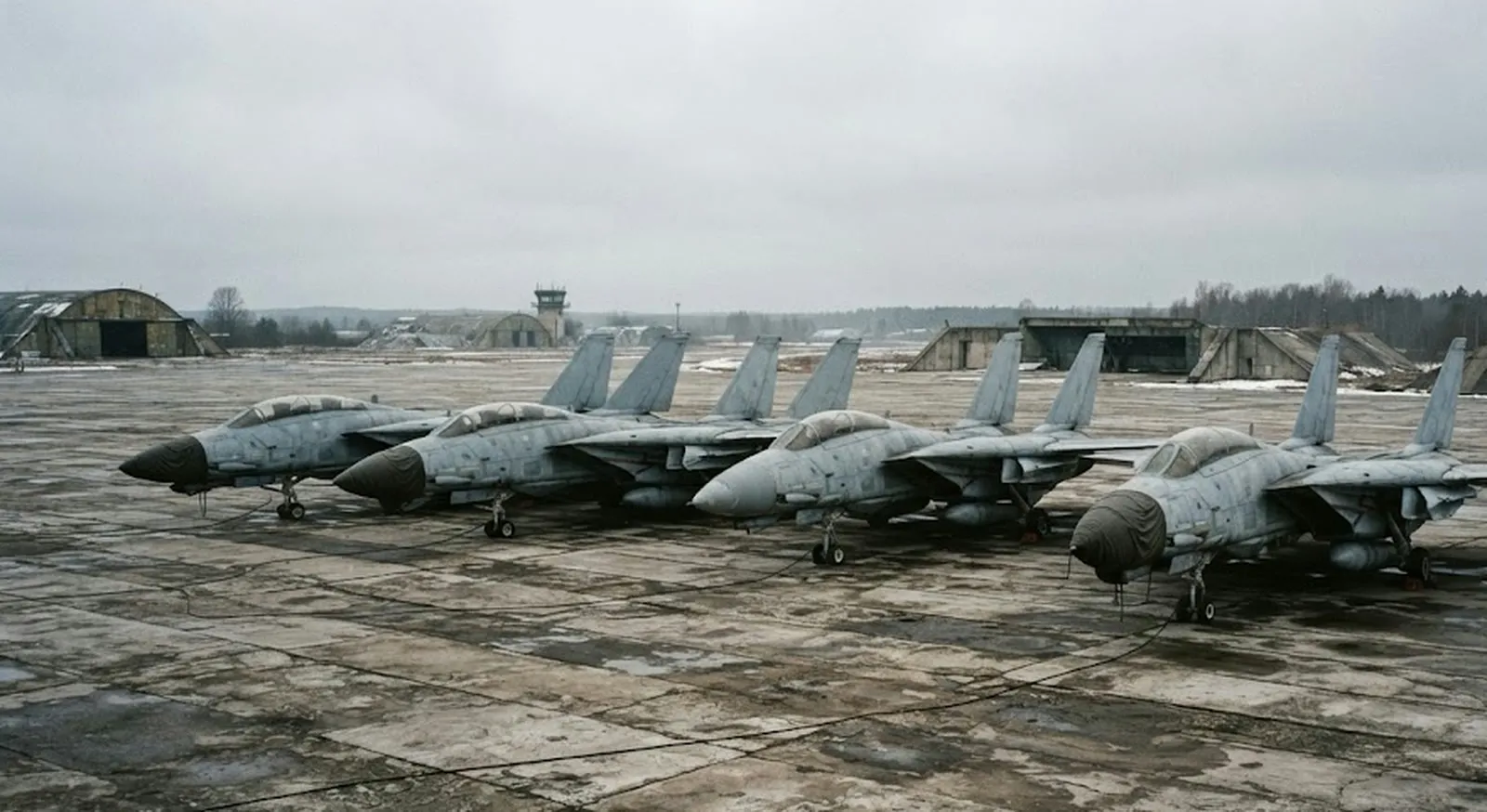
Poland has 14 post-Soviet MiG-29 fighters. Ukraine has drone technology the whole world wants. The deal writes itself: jets for drones. Both sides said yes. And then for nearly a year that deal hung in the air, because neither side wanted to make the first move.
Now Bulgaria has entered the story - and everything changed.
The moment Sofia expressed a wish to buy the Polish MiGs, Kyiv suddenly got interested again. Polish Deputy Prime Minister and Defence Minister Władysław Kosiniak-Kamysz said it without much diplomatic wrapping: "We received proof that this technology is rather good. Now that it appears other countries are prepared to buy it, Ukraine has shown interest again."
Let us translate that sentence
Meaning: while Poland was the only buyer, Ukraine had time to think, to hesitate, and to rate the aircraft as technically defective. Ukrainian delegations came to Poland several times in recent months to inspect the MiGs and eventually declared they were in poor technical condition - and that Kyiv could accept them only if Poland upgraded them at its own expense.
The moment a second interested buyer appeared, those same aircraft suddenly became more interesting. Kosiniak-Kamysz says the talks are now "at a more advanced stage than a month ago", but that there is no certainty the deal will be concluded. The Ukrainians sent a letter confirming their continued interest.
A letter. In the third year of a war, between two allied states, negotiations on exchanging military equipment move at the speed of a letter.
Poland is not subsidising any more
What is genuinely new here is not the number of aircraft. It is the tone. The Polish minister said openly that the current government takes a different approach from its predecessor: "Unlike the previous government, we are not simply telling them, 'We will subsidise you' - we expect them to show solidarity."
Before that, in early July, the same minister announced that Ukraine was not honouring the agreement on drone technology. "There is a clear proposal: MiGs for drones. The Ukrainians said yes, but then they began to have doubts," he said, adding that Kyiv had already begun cooperating with its Middle Eastern partners in the same field.
That is the crux of the whole thing. Ukrainian drone technology was built under conditions no Western army has ever tested its own in - a real war, a real opponent, daily losses. That knowledge has a price, and Kyiv knows it. Which is why it is in no hurry to hand it over for 14 old aircraft that somebody else has to overhaul anyway.
Alliance as trade
This is the moment when military aid stops being solidarity and becomes a deal between two sides haggling. Poland no longer wants to give without receiving. Ukraine does not want to hand over the best thing it has below price. And Bulgaria, by entering the game, unintentionally unlocked what had been stuck for months.
This is a good lesson for any small country sitting at a table with bigger ones: the price of what you have is set not by what it is worth to you, but by how many parties want it. The moment a second interested buyer appears, the conversation changes. Bulgaria signed nothing, and it has already shifted the negotiating ground.
The latest 10 news from this category
Two prime ministers in the same Union, the same month, completely opposite diagnoses of who is provoking whom. There is...
A broken aircraft in a field usually ends up in a police note. This one ended up with federal investigators,...

Beijing will easily find another supplier. The harder question is what Washington is actually testing: whether private Chinese companies will...

The law lets Washington hit the five biggest buyers of Russian oil with tariffs of up to 100 per cent....
Measures imposed over the war in Ukraine are now being offered as currency in an entirely different dispute. If the...

A smaller dose and more needles does not mean a safer vaccine, it means an ineffective one. Science has had...

Harald designed the sarcophagus himself, and it is shaped like a ship. The stone is 400 million years old and...

Von der Leyen proposed a status that does not exist in European law, the Canadians distanced themselves, and Washington announced...

The French candidate called the war in Ukraine a slaughterhouse and pointed out it has already lasted longer than the...

Four decades in politics, but the headline the world wrote was about her brother and his sixteen wives. When the...
This site uses cookies - is that okay? Learn more
Be the first to know when Metla launches something new
Leave your email and we will write when there is a new guide or something new on Metla.