

Experts on the Puls fire: the ceiling foam released cyanide as it burned, and the inspector could and should have shut the place down
02.09.2026


02.09.2026
02.09.2026
02.09.2026
02.09.2026
02.09.2026

02.09.2026

02.09.2026
01.09.2026

31.08.2026

02.09.2026

02.09.2026

01.09.2026

02.09.2026

02.09.2026

02.09.2026

02.09.2026
01.09.2026

31.08.2026

02.09.2026

02.09.2026

02.09.2026

02.09.2026
01.09.2026
31.08.2026

09.03.2026

27.02.2026

19.02.2026
02.09.2026
01.09.2026

01.09.2026

23.04.2026

23.04.2026

12.04.2026
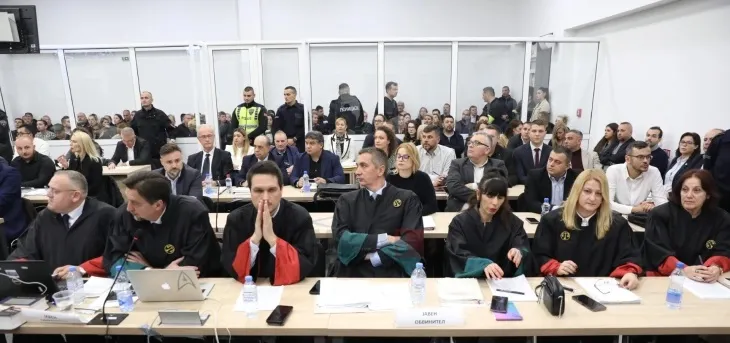
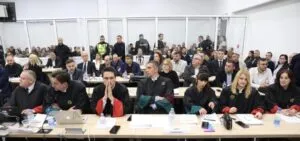
In the courtroom in Idrizovo, where the trial over the fire at the Puls nightclub in Kočani is under way, the expert testimony moved into the part that suits the defendants least. The construction experts did not talk about an unfortunate chain of events. They talked about a material that releases cyanide and carbon monoxide when it burns, and about an inspector who could and should have closed the building.
Marijana Lazarevska, an expert on the team of Professor Goran Markovski from the Faculty of Civil Engineering, was answering cross-examination from the defence of the first defendant, the club's owner. The questions circled the colour of the foam on the ceiling. The answer circles something else entirely.
"Once again you are reading the regulations selectively, asking questions that have been answered and elaborated three times over, looking at the foam in our findings by its colour, and not reading what we established about the composition of the polyurethane foam," Lazarevska shot back.
Markovski spelled out what exactly had been established: "The basis for our claim about what was installed on the ceiling was the forensic analysis, along with that of the Institute of Forensic Medicine and the Faculty of Natural Sciences and Mathematics. What is specific about this material, the foam in particular, is that when it combusts it releases carbon monoxide and cyanide."
A light-industry building running as a nightclub
The second line of the expert findings is devastating for the institutions. According to Markovski, the building held a construction permit for a commercial facility for light industry. The change of use, the reorganisation of the space, the alterations to the electrical, water and sewage systems and the unsuitable materials installed all had a direct effect on safety.
There is no decision authorising the change of use and adaptation from the original inspection. And the inspection records were drawn up only on 16 and 18 March 2025 - for a building that had already burned.
The question that follows is not a technical one. Under the Law on Construction, the building inspector had both the right and the duty to demand that the premises be restored to their original state and stay closed until the irregularities were cleared. That did not happen. The venue went on operating as a nightclub with no paperwork, no permit, and with the risks that are now being listed out in a courtroom.
The parents asked the question the institutions keep dodging
During a break in the hearing, Mita Taseva, one of the mothers, turned to the defendants with a sentence that gathers up the entire logic of the case: "You cannot stand here today listing every failure, every danger and every irregularity, and at the same time claim that for years you had no reason to act."
The father, Dragi Stojanov, was blunter - if the inspector had done his job properly, his child would be alive. His criticism was aimed at the institutions, at corruption, and at impunity.
The case is being heard by Judge Dijana Gruevska-Ilievska, with a team of 15 public prosecutors representing the indictment. The examination of the construction experts should close the prosecution's evidence, after which the defence begins presenting its own.
The fire on 16 March 2025 killed 63 people and injured more than 200. The trial has now reached the most uncomfortable question for anyone who wore a uniform or signed a document: who had the power to stop this, and what did they do with it.
The latest 10 news from this category
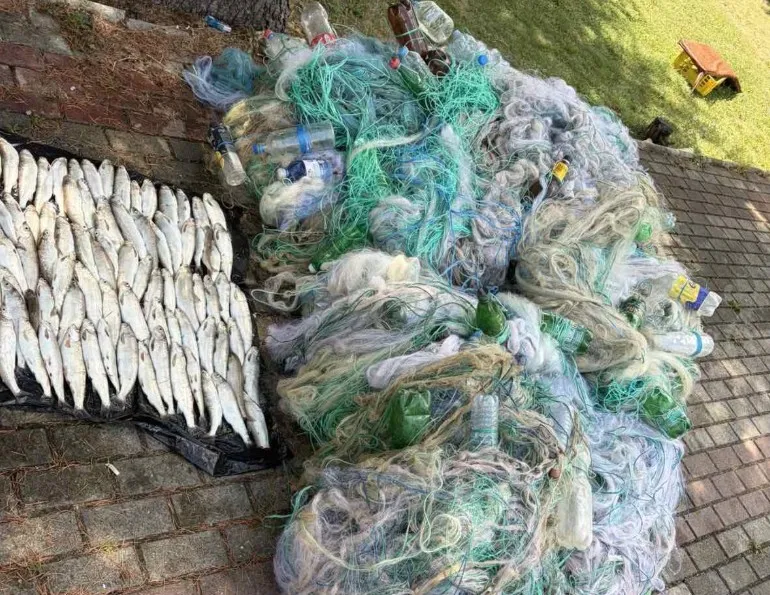
Twenty drift nets and 872 Ohrid belvica in a single patrol. The nets were caught. Whether anyone answers for them...
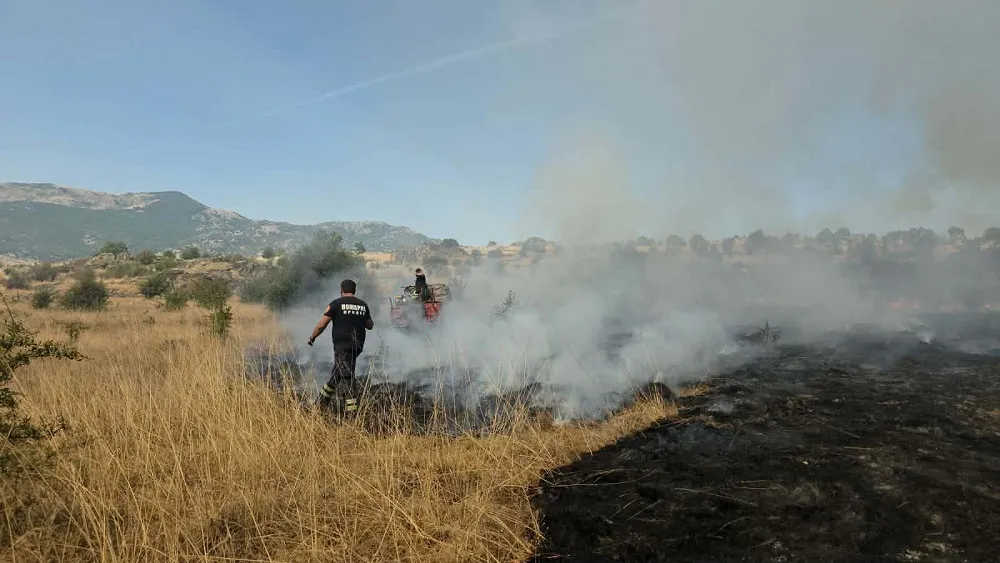
The Crisis Management Centre released the figure for June, July and August. The ratio between forest fires and the rest...
A door in an apartment block, at five in the morning, while everyone is asleep. The gap between a damaged...

The most precise measure of emigration is not a survey. It is the gap between how many children were born...
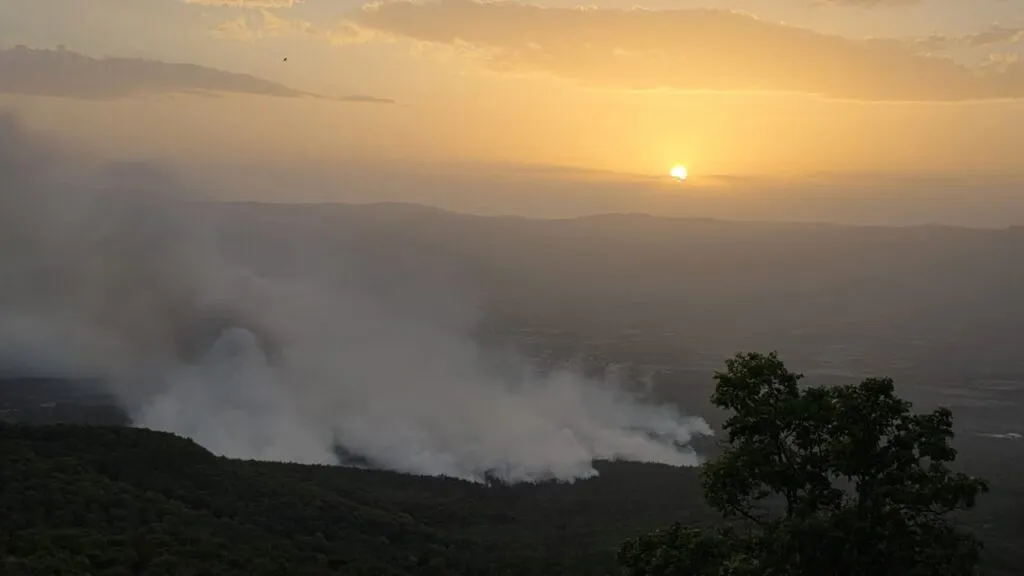
Helicopters, air tractors, two fire brigades and volunteers awake for over 48 hours. When success depends on exhausted people, that...
Around 3,000 fewer first-graders than last year and 148 school buildings with no pupils. Consolidation is a response to the...
The opposition wants a resignation. But there is an older question first: what did the anti-corruption commission establish in the...

The minister says the measure should be introduced in other municipalities too. For now, digital education depends on who has...
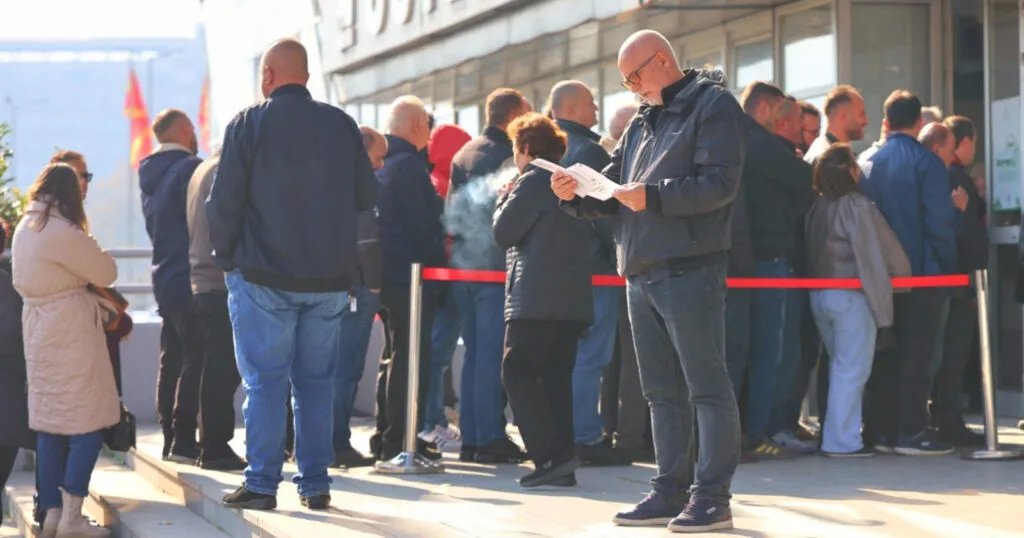
Sixty-three municipalities, 92 grounds for payment and 58,290 citizens. The difference between a right and a favour is exactly whether...

The dates are 8 September, 12 and 23 October and 8 December. After 23 October comes a six-week gap -...
This site uses cookies - is that okay? Learn more
Be the first to know when Metla launches something new
Leave your email and we will write when there is a new guide or something new on Metla.
