
Sixteen Arrests in Twenty-Four Hours, All for Drugs: The Police Are Working - But Where Are All These People Coming From?
20.09.2026


20.09.2026

20.09.2026
20.09.2026
20.09.2026

20.09.2026

20.09.2026

20.09.2026
19.09.2026
18.09.2026

20.09.2026

20.09.2026

19.09.2026

20.09.2026

20.09.2026

20.09.2026

20.09.2026

19.09.2026

18.09.2026

20.09.2026

20.09.2026

20.09.2026

20.09.2026

20.09.2026

20.09.2026

09.03.2026

27.02.2026

19.02.2026
20.09.2026

19.09.2026

18.09.2026

23.04.2026

23.04.2026

12.04.2026

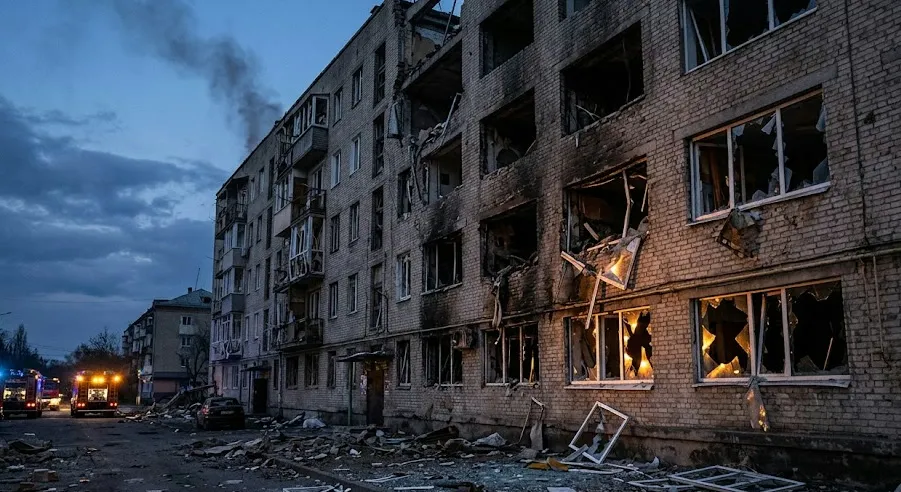
In the early morning of May 29, a Russian Geran-2 kamikaze drone hit a residential block in Galati, southeastern Romania, just a few kilometres from the Ukrainian border. The tenth floor at the elevator shaft exploded; the fire forced seventy residents to leave the building. The casualties: a 52-year-old woman with second-degree burns and a 14-year-old child in the paediatric hospital. Both remained conscious and stable.
The Geran-2 is the Russian copy of the Iranian Shahed - a kamikaze drone with a range of up to 2,000 kilometres, cheap, mass-produced. When such a device falls on NATO territory, it isn't a technical problem. It's a test of the response.
Romanian president Nicușor Dan announced "a firm response toward Russia" and convened the High Defence Council. The Defence Ministry confirmed the explosive payload was of Russian origin. Foreign minister Oana Țoiu described the situation as "a serious and irresponsible escalation." NATO, through Secretary General Mark Rutte, repeated the "every inch" formula. The American ambassador Matthew Whitaker went further - "every square centimetre of NATO territory."
What does "firm response" mean in practice? A diplomatic protest. A flexing of muscle. Attempts at heightened international pressure. Not NATO Article V, not airstrikes. Because when the political calendar asks for euro-elections, negotiations on Ukraine and a cold war with the US all on one schedule, the red lines aren't crossed - they're tiptoed past.
For the Balkans, this is an unambiguous reminder. NATO territory is not a magic shield, it's a political agreement - and that political agreement works only if every member believes in it equally. One child in hospital, one woman with burns, and a stream of diplomatic statements. That's the reality of 2026 in Eastern Europe.
The latest 10 news from this category
Black smoke over the main airport, sirens in the middle of the night and a state that will not say...
Western agencies say no decision has been taken - only preparations that would let it all happen overnight. In the...
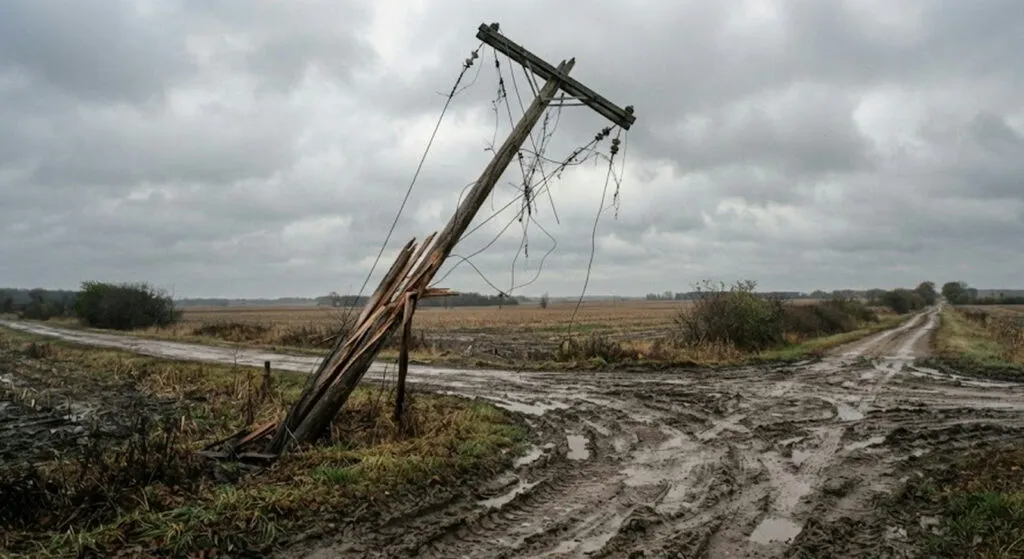
A Russian commander promised to cut the Kharkiv encirclement "like a pie". Every number comes from the camp running the...
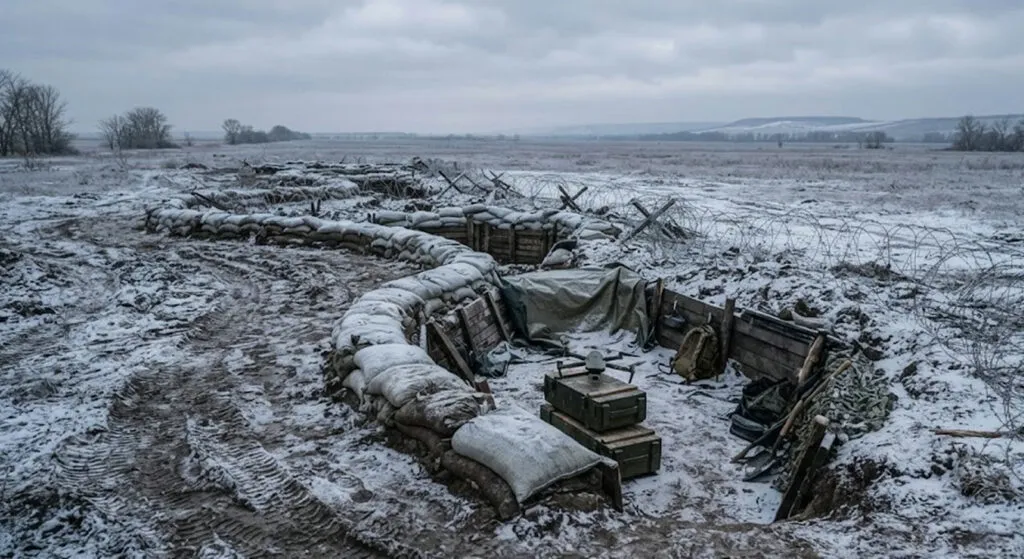
Around 8,500 North Korean soldiers are still in Russia, among them 1,000 engineers and 400 drone operators. Estimates point to...
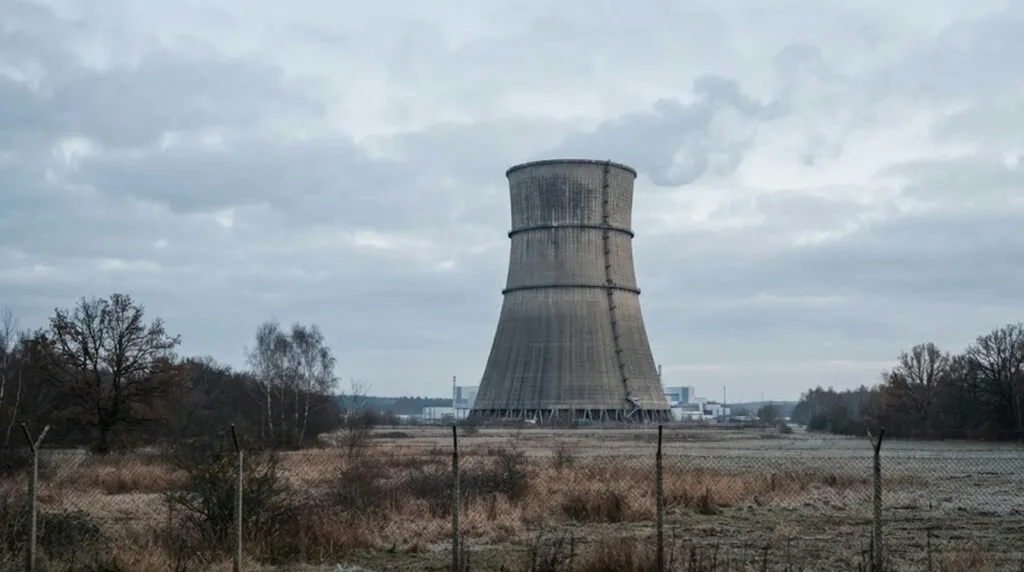
The unit was running, the operating regime did not change, there was no fire. The difference between a news item...

The bill passed with 262 votes, and the key to it has been handed to a man who has already...
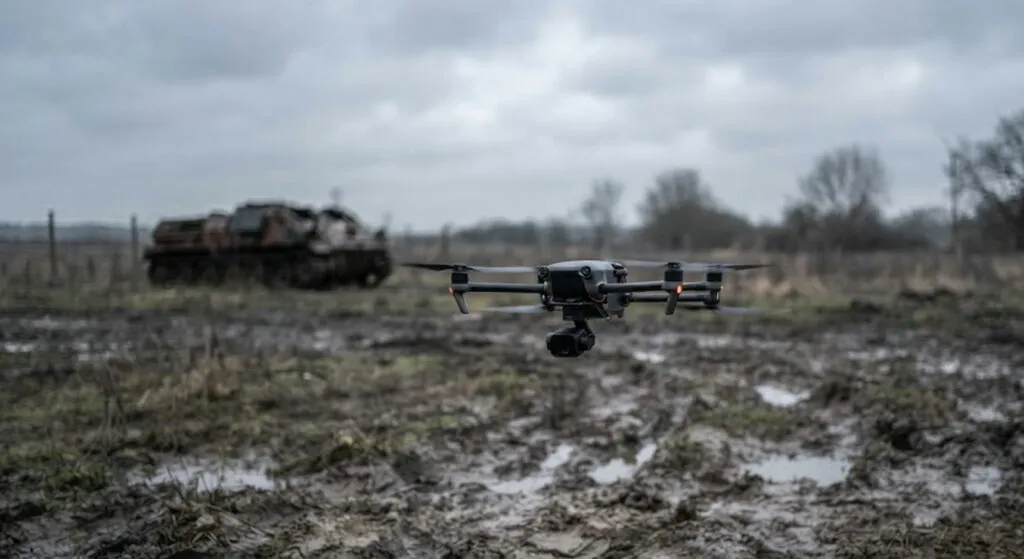
Ukraine adapts in weeks, the Alliance in decades. Europe is paying for Patriot systems from 1991 and is only now...
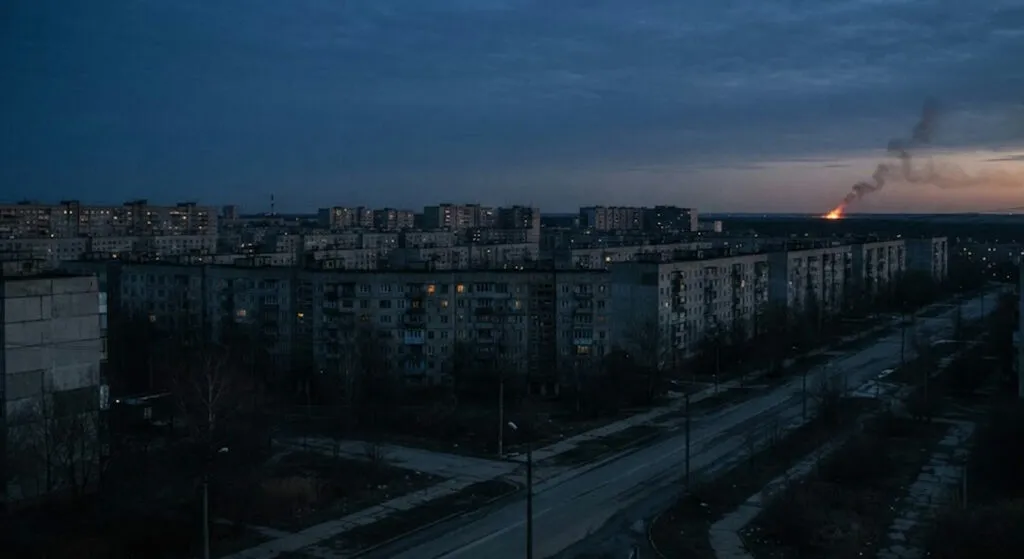
Missiles and drones on the Ukrainian capital, damaged water mains and residential buildings. The same night, Ukrainian drones set the...
Trump hopes the war is ending and is preparing to gather the Gulf leaders. Oil prices have jumped, and the...
Ukraine says when, where and which unit did it. Russia's defence ministry has not a single sentence about the circumstances....
This site uses cookies - is that okay? Learn more
Be the first to know when Metla launches something new
Leave your email and we will write when there is a new guide or something new on Metla.