

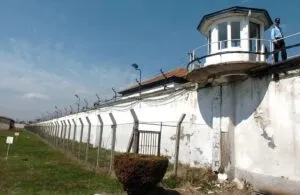
Inmate Electrocuted Inside Idrizovo Prison: Who Ran a Live Wire Anyone Could Touch?
31.08.2026


31.08.2026

31.08.2026

31.08.2026
31.08.2026

31.08.2026
31.08.2026

31.08.2026

30.08.2026

29.08.2026

31.08.2026

31.08.2026

30.08.2026

31.08.2026

31.08.2026

31.08.2026

31.08.2026

30.08.2026

29.08.2026

31.08.2026

31.08.2026

31.08.2026

31.08.2026

30.08.2026
30.08.2026

09.03.2026

27.02.2026

19.02.2026
31.08.2026
30.08.2026

29.08.2026

23.04.2026

23.04.2026

12.04.2026
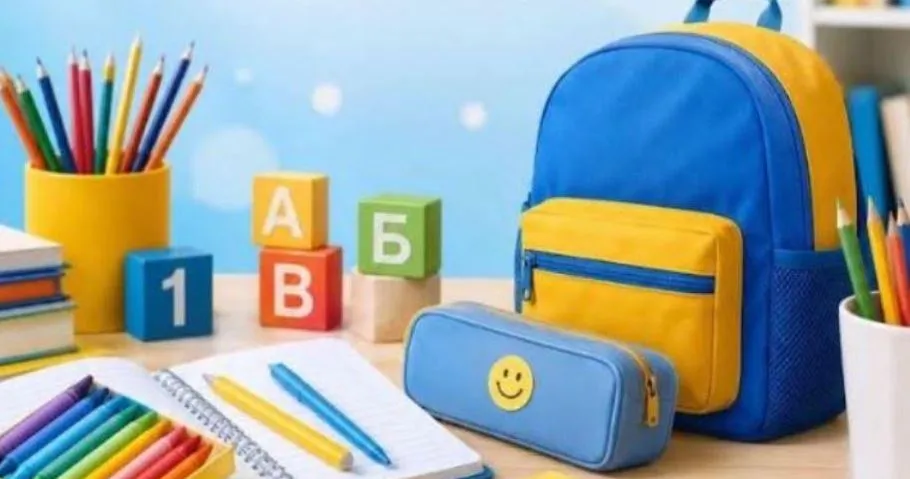
From today, the State Market Inspectorate is stepping up field inspections across the country. Inspectors will check whether retailers have cut the prices of school supplies in line with the government decision. The measures took effect on 25 August and run until 30 September.
The rules are clear. At least 10 percent off at wholesale and at least 15 percent at retail, calculated against the prices in force on 1 June. Covered products must carry the label "Less spending, more for you", and the previous price must appear alongside the new one. Non-compliance brings fines from 500 to 10,000 euros, and outright disregard of the measures brings a 15-day ban on trading.
The list is long: notebooks, drawing pads, pencils, pens, backpacks, bags, rulers, folders, sharpeners, erasers, glue, compasses, calculators, coloured pencils, markers, tempera and watercolours, brushes, modelling clay.
The sentence that brought the whole structure down
Iven Peshevski, vice-president of the Federation of Trade Unions of Macedonia, said the thing no inspection can measure:
"If we want European prices, then we should have European salaries too. On a salary of 26,000 denars, believe me, a 10-denar pencil and a 10-denar notebook, however much you cut them, will still be expensive, because there is no money to send the child to school, to clothe them, to provide a 2,000-denar monthly snack, let alone languages, sports and other activities."
Fifteen percent off ten denars is one and a half denars. That is the real arithmetic of this measure for one family.
The number from the union basket
According to the Federation of Trade Unions, the basic monthly needs of a four-member family in August required 68,675 denars - 177 denars more than in July. Add rent for a 60-square-metre flat and the calculation climbs to 84,050 denars. Food and drink alone account for 25,032 denars.
Put a salary of 26,000 denars next to a basket of 68,675 and you no longer need an analysis.
Inflation calmed down. Prices did not come back.
According to the State Statistical Office, monthly inflation in July was 0.1 percent, while the cost of living was 2.3 percent higher than in July 2025. Food and non-alcoholic drinks were 1.1 percent cheaper than in June, but transport rose 4.4 percent.
Here lies the distinction that disappears in short economic bulletins. Inflation of 2.3 percent does not mean prices have returned to some earlier level - it only means they are rising more slowly from a high base. Statistics stabilising and the checkout getting easier are not the same thing.
Economy and Labour Minister Besar Durmishi announced that inspections will track the movement of gross profit margins, particularly if rising fuel prices start feeding into transport and into final prices. According to him, the last check showed margins mostly between 10 and 15 percent, and around 7 at some retailers.
Durmishi also noted that Macedonia is among the cheapest countries in the region on prices. That is true. There remains only the technical detail that citizens do not shop with regional statistics, but with Macedonian salaries.
The inspections will run through September. They will show how many retailers followed the rules. What they will not show is why a measure for a cheaper pencil had to exist at all.
The latest 10 news from this category
The number is incomplete because breeders fear the procedure that follows a report. The vaccine from Turkey was supposed to...
Only four companies in the world know how to cast turbine blades, and all of them are sold out until...
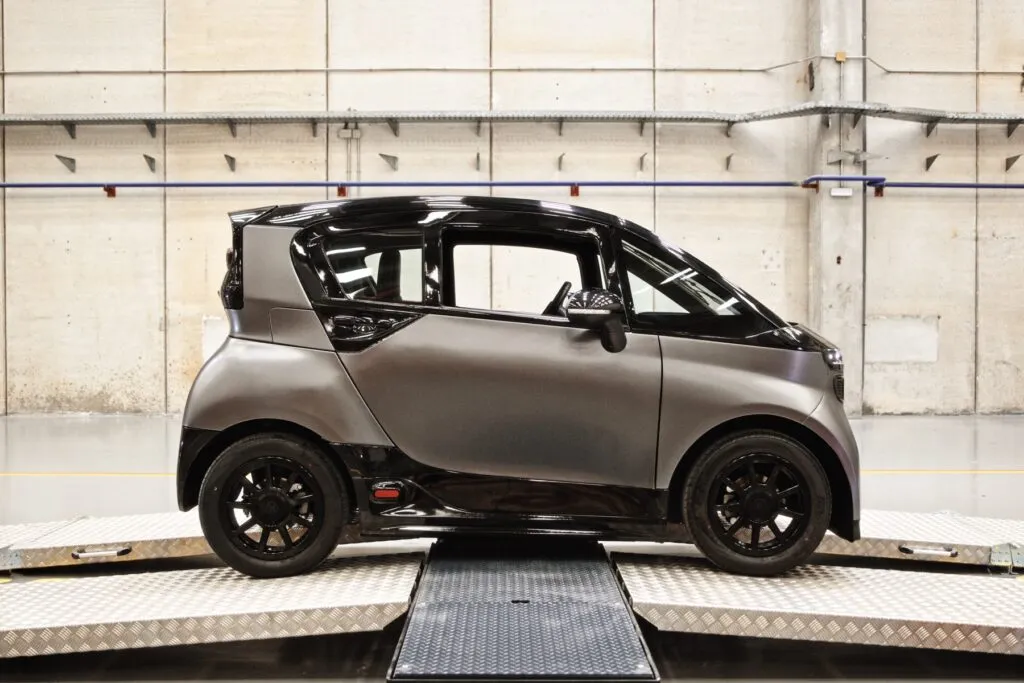
A startup with 65 people opens a factory to compete with Chinese electric vehicles. The co-founder says the idea of...
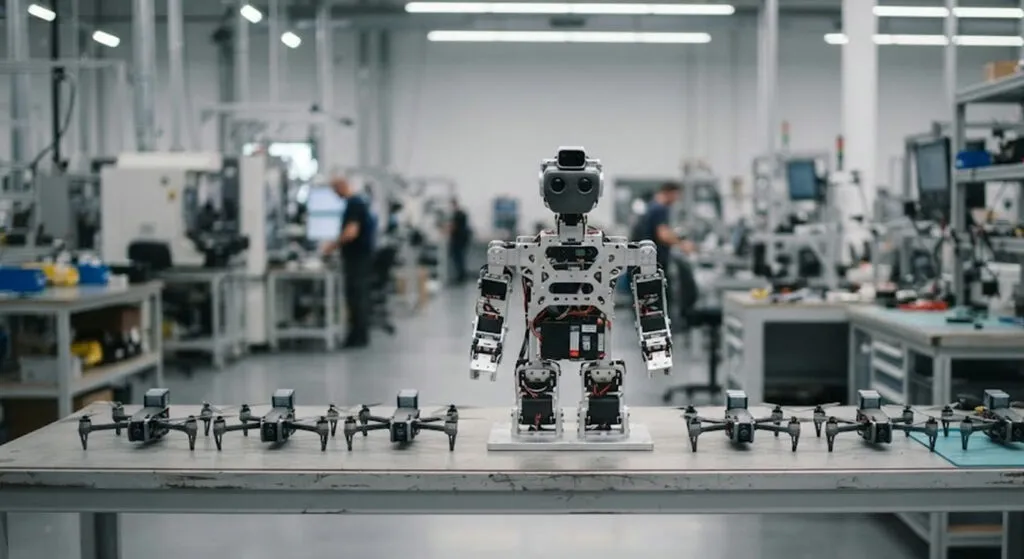
You cannot sanction your way around the cost curve, says a Silicon Valley investor. When one market closes, the manufacturer...
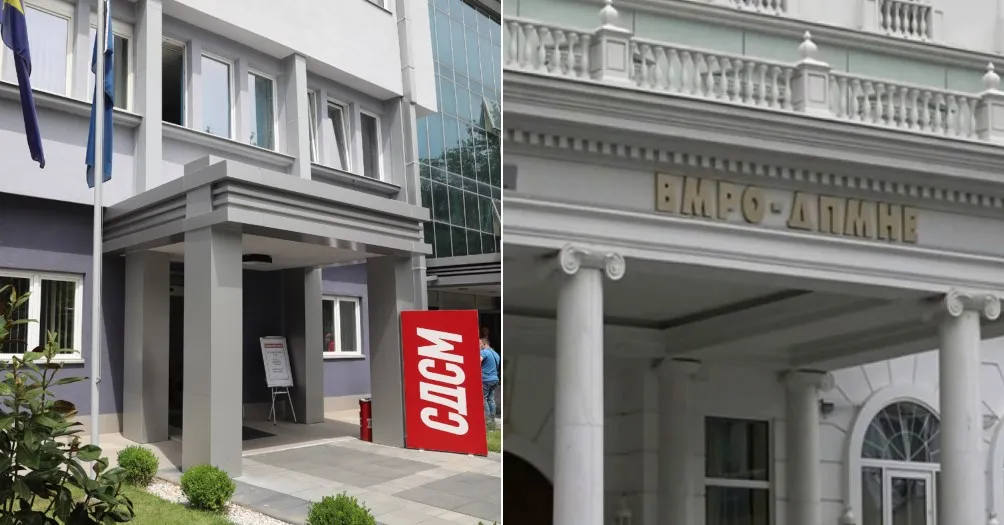
SDSM wants to know how much water and electricity they will consume. VMRO-DPMNE says different cooling technologies exist - but...
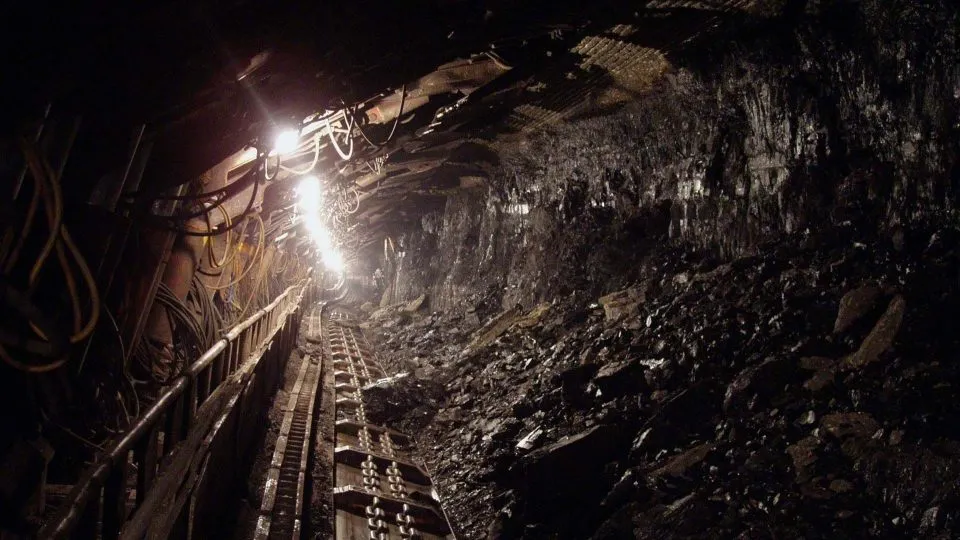
Metal ore production in the Spanish region exceeds 1.2 billion euros a year and carries over 8,000 jobs. Ilovica-Shtuka here...
The highest rate since 2023, and energy is driving it. Core inflation stays around 2.5 percent - the problem is...
A court has already ruled that training on someone else's work is legal - what is illegal is how the...
The fund that spent years making money on code is now investing in cooling, electricity and land. When a private...
An old soap opera cut into pieces and charged for by the piece. When the big screen has no roles,...
This site uses cookies - is that okay? Learn more
Be the first to know when Metla launches something new
Leave your email and we will write when there is a new guide or something new on Metla.
