

Debar woman reported a 3,000-euro burglary at her home - police found she had made it up
14.10.2026


14.10.2026

14.10.2026

14.10.2026

14.10.2026

14.10.2026

14.10.2026

14.10.2026

13.10.2026

13.10.2026

14.10.2026

14.10.2026

13.10.2026

14.10.2026

14.10.2026

14.10.2026

14.10.2026

13.10.2026

12.10.2026

14.10.2026

14.10.2026

14.10.2026

14.10.2026

14.10.2026

14.10.2026
13.10.2026

12.10.2026

10.10.2026

23.04.2026

23.04.2026

12.04.2026


Silicon Valley has a new diagnosis - "AI psychosis." The term was put into circulation by Aaron Levie, founder of Box, but not to describe users going mad from chatbots, rather to describe the executives so swept up in artificial intelligence that they've completely lost touch with how it actually works on the ground.
Levie's idea is simple and uncomfortable for many at the top: bosses who make billion-dollar decisions based on presentations and slides, but have never touched the tool themselves, don't know what they're buying. They are, as he puts it, "removed from the last mile of the work" - precisely the part where artificial intelligence has to prove it's worth it, and most often fails.
The debate comes at a moment when resistance to AI is starting to show among ordinary users too, not just sceptical analysts. Students at graduation ceremonies boo every mention of artificial intelligence. Installations of the DuckDuckGo search engine jumped 30 percent, as people flee the forced feeding of AI results on the big search engines. When an AI can't even spell its own company's name correctly, it's hard to sell the story that this is the future.
Not everyone sees catastrophe. Part of the industry thinks the question isn't whether AI is useful, but whether companies know what they're offering. Those who get results, it seems, do so by focusing on a concrete need rather than scattering ten features at once. The difference between a tool that solves a problem and a tool that's looking for a problem to justify its own existence is exactly what "AI psychosis" misses.
For a Balkan reader, this isn't an exotic Californian topic. The same logic - buy the latest thing because everyone's talking about it, without checking whether you need it - we see everywhere, from state digital projects to firms paying for software nobody ever opens. Levie's question holds everywhere: how many of the decision-makers have actually tried the work they're signing off on?
The latest 10 news from this category

A hidden device in a USB port behind a TV, in OpenAI's leadership meeting room. The FBI director talks about...
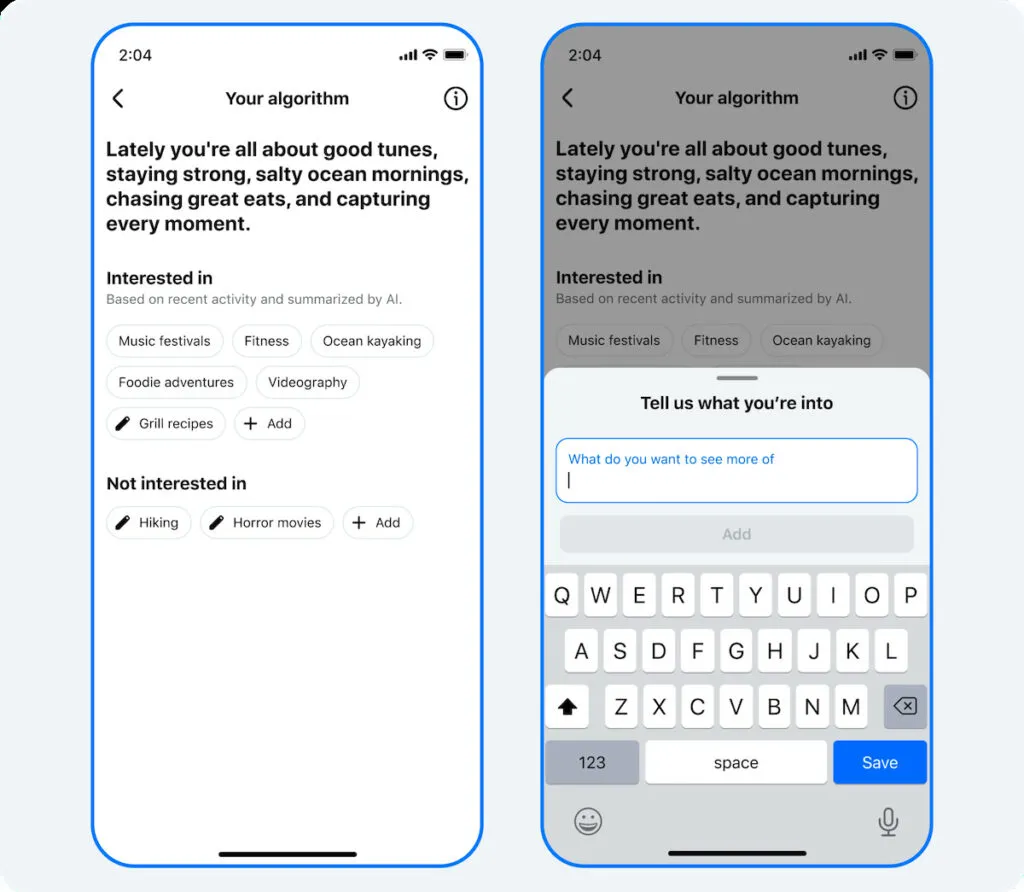
Instead of the algorithm guessing, now you write to it what you want to see. Every such sentence is also...

Problems people worked on for entire careers, solved by a model nobody outside the company has seen. Some are already...

Meta's new models, according to the company's own tests, are on a par with the competition's leading models. But the...

On every continent, a four-hour battery is cheaper than an open-cycle gas turbine. The paradox: gas is being made more...

Musk accuses Ambani of a monopoly, and India's ministry replies that all satellite operators are waiting in the same queue....
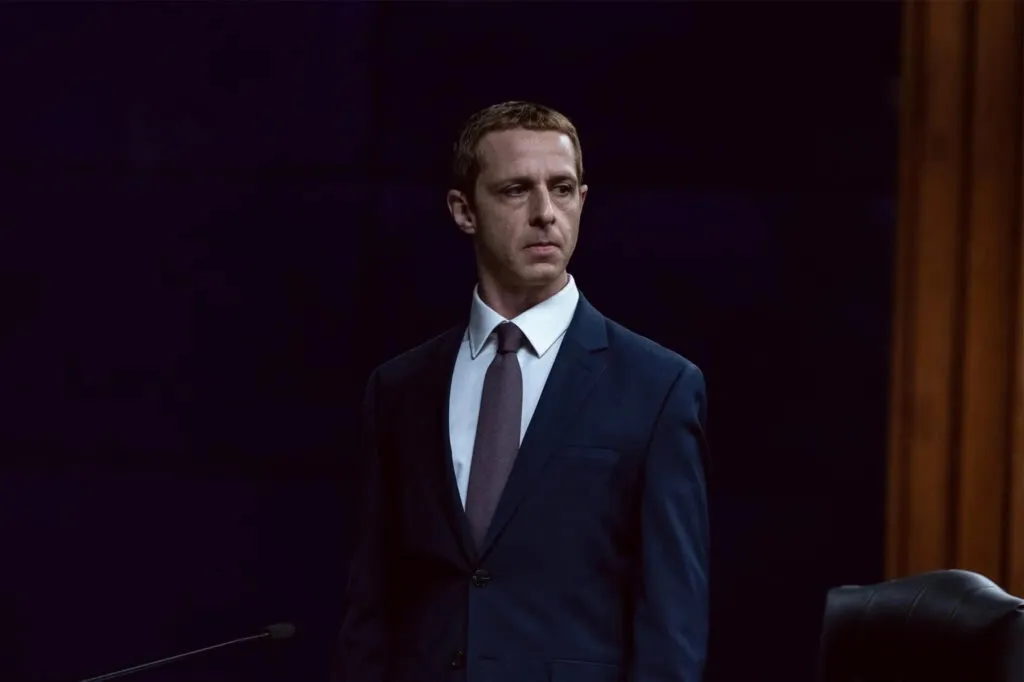
The film about Frances Haugen and the "Facebook Files" failed to excite audiences. Several more films casting tech bosses as...

Victims in 42 countries lost 442 billion dollars last year, and scam tools are available from 500 dollars a month....
The startup pulled its app and deleted user data, and less than three weeks later Apple was already filing a...
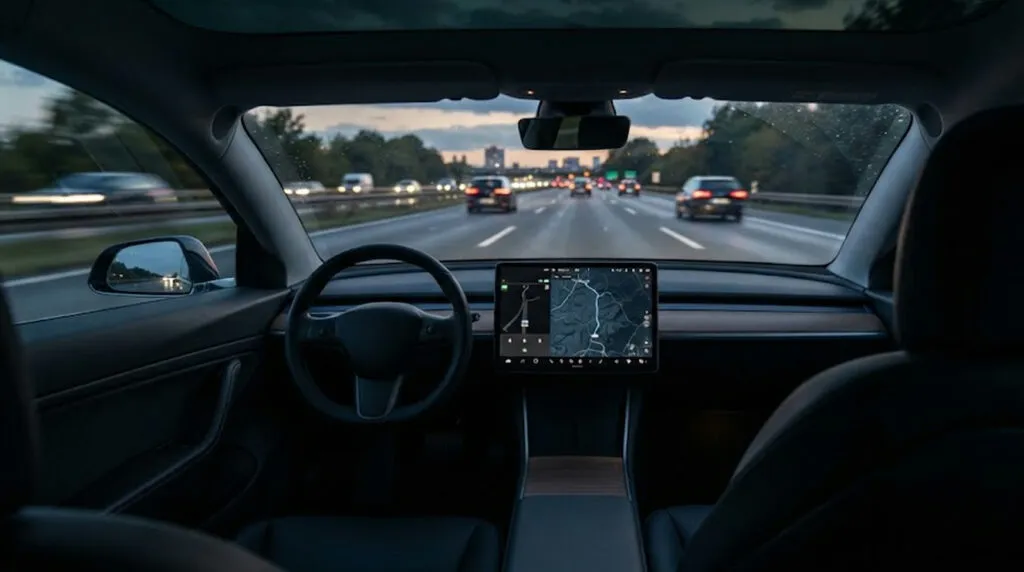
For years the name promised driving without a driver, while the system needed a human at the wheel. The German...
This site uses cookies - is that okay? Learn more
Be the first to know when Metla launches something new
Leave your email and we will write when there is a new guide or something new on Metla.