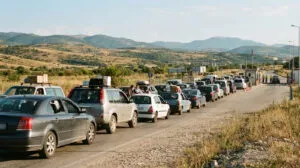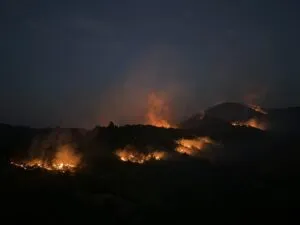
Fifty-two fires in a single day: the flames reached houses in Bogomila, and the whole country has three air tractors
14.08.2026


14.08.2026

14.08.2026

14.08.2026

14.08.2026

14.08.2026

14.08.2026
14.08.2026
14.08.2026

14.08.2026
14.08.2026

14.08.2026

13.08.2026

14.08.2026

14.08.2026

14.08.2026

14.08.2026
13.08.2026

12.08.2026

14.08.2026

14.08.2026

14.08.2026

14.08.2026

14.08.2026

13.08.2026

09.03.2026

27.02.2026

19.02.2026
14.08.2026

13.08.2026
12.08.2026

23.04.2026

23.04.2026

12.04.2026
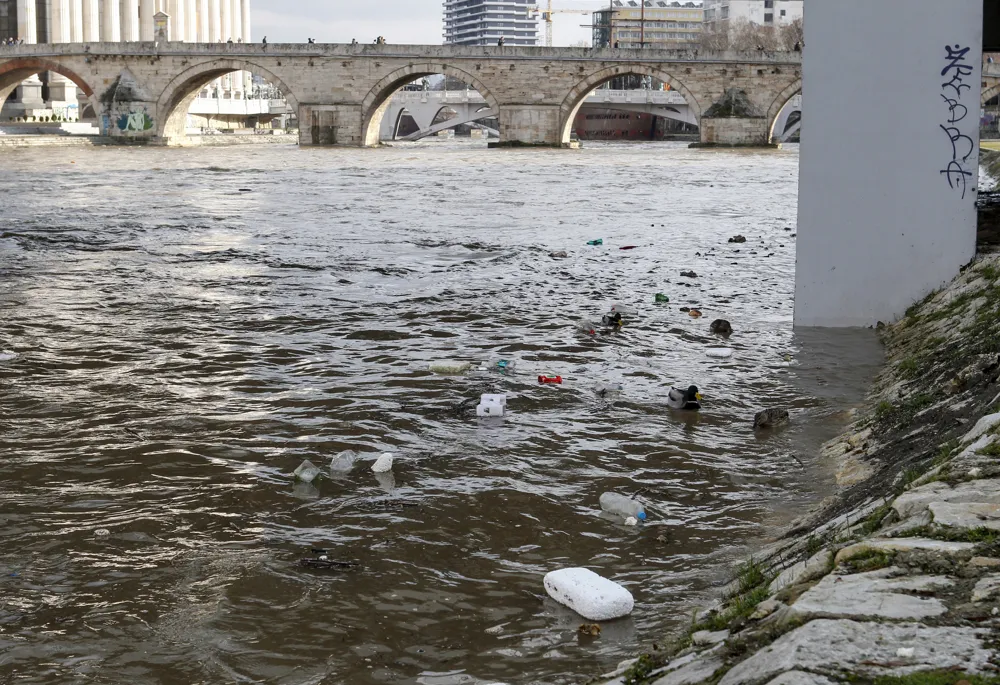
Skopje is on a blacklist again. A viral ranking of European cities by cleanliness, spreading across social media, placed the city among the dirtiest in Europe - right behind Rome. The reaction was predictable: irritation, self-deprecating jokes, and the question of whether foreigners are noticing what every Skopje resident sees each morning by the bins.
But before taking the ranking at face value, it is worth checking what it actually measures.
The data comes from a 2023 European Commission survey on quality of life. Only 23 percent of the Skopje residents surveyed said they were satisfied with the cleanliness of their city, against a European average of 59 percent. Skopje ranks fourth from the bottom among all 83 cities surveyed and second from the bottom among European capitals. Only Palermo at 6 percent, Rome at 11 and Marseille at 22 did worse.
Cleanliness and pollution are not the same thing
This is where a conflation of terms starts making the story wrong in both directions. The Numbeo index, usually cited as proof of pollution, combines perceptions of air quality, water pollution, satisfaction with waste collection, noise and green space. It is not an instrumental measurement.
According to that index for 2026, Skopje scores 82.96 and comes fifth in the wider European ranking. Ahead of it are Tetovo with 95.56, Tirana with 86.98, Chelyabinsk with 85.14 and Krasnoyarsk with 83.81. So even in that ranking Skopje is not first - but there is a Macedonian city that is.
The real problem with the air is documented separately and does not depend on viral lists. According to 2025 data, Macedonia is among the European countries with the highest average concentrations of fine PM2.5 particles - above 15 micrograms per cubic metre, well over the World Health Organisation's recommendation of 5. The peak comes in the winter months, when household heating mixes with traffic and industry in the valley.
Three thousand bins from September
The mayor's answer is concrete: 3,000 new bins in September 2026, plus additional waste collection vehicles, financed through the World Bank.
The figure is real and it is needed. But a bin does not clean by itself. If the routes are not functional, if emptying is not on time, if residents and companies keep leaving rubbish next to the containers instead of inside them, three thousand new containers mean three thousand new locations for the same picture. Infrastructure is a precondition, not a solution. The difference will show in October, not in the press release.
The latest 10 news from this category
The level is holding, the temperature is running away. Two numbers telling the same story from two sides, and only...
Methane breaks through in new places while others are being buried under soil. The problem is not unknown - what...
The state roads company looks after 1,100 bridges across the country. Once a repair becomes urgent it is no longer...
Mosquitoes do not recognise a municipal border. The pest control plan evidently does.

Labs showed zero bacteria, and the mayor drank a glass on camera. But the landfill near Rašče has been sitting...
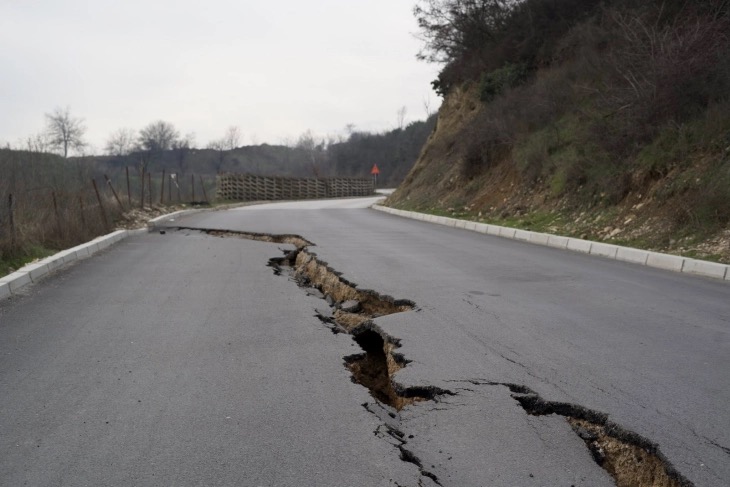
The transport ministry is taking over the landslide after a tender closing on 20 August. The work did not stall...
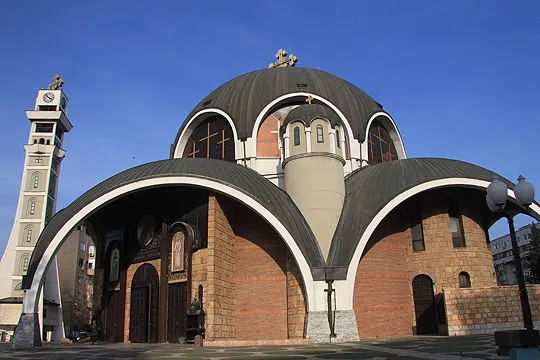
Six thousand places under the domes, a five-tonne chandelier and a facade that took first place in Budapest this year....
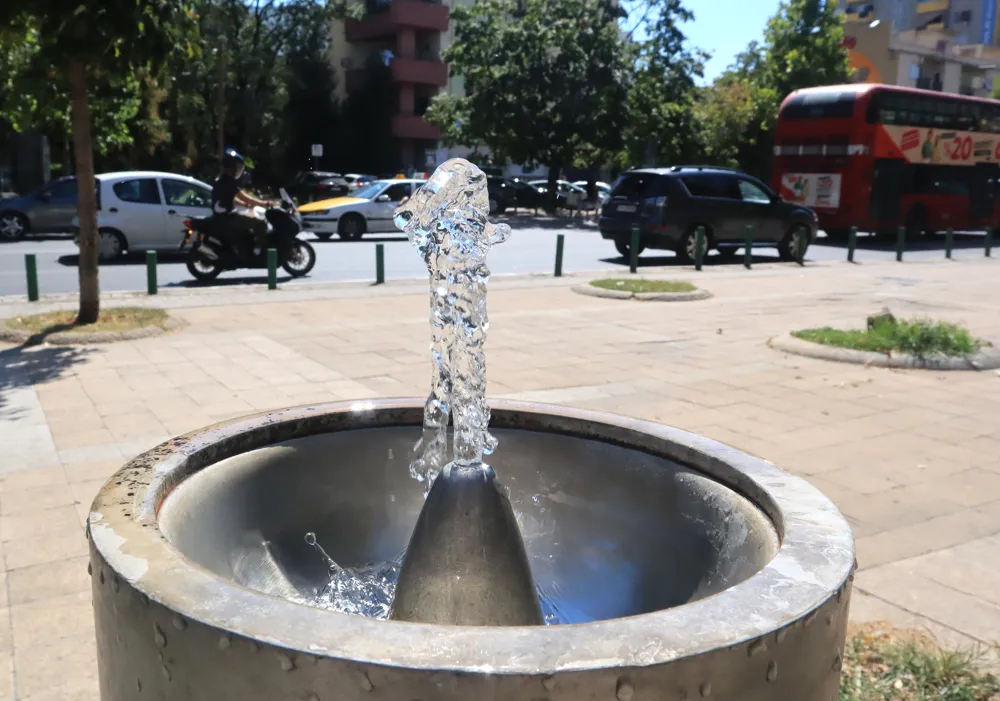
Intestinal infections are rising across the country because of the heat and travel. Yesterday the whole country was talking about...
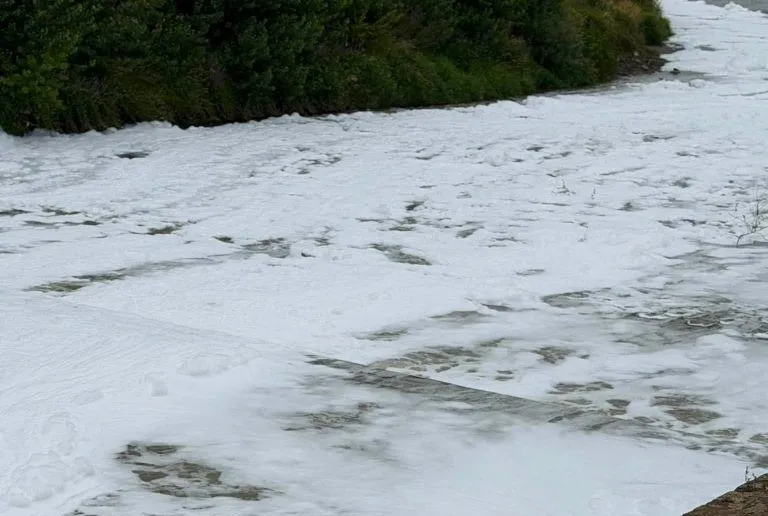
The river turned white with foam, the analyses are nowhere. A message about the water got a press conference, a...
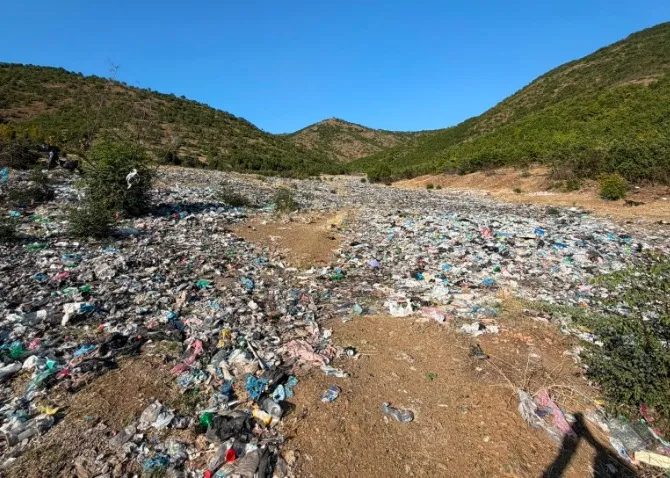
If that chromium reaches water, the water becomes unusable for everything. The landfill has stood for decades, and the mistrust...
This site uses cookies - is that okay? Learn more
Be the first to know when Metla launches something new
Leave your email and we will write when there is a new guide or something new on Metla.