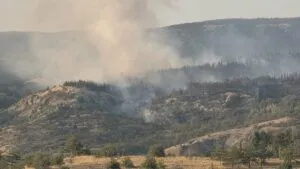
34 fires in 24 hours: three still burning, and the warnings put out nothing
09.09.2026


09.09.2026

09.09.2026
09.09.2026

09.09.2026

09.09.2026

09.09.2026

09.09.2026
08.09.2026
07.09.2026

09.09.2026

08.09.2026

08.09.2026

08.09.2026

08.09.2026

08.09.2026

08.09.2026

07.09.2026

06.09.2026
09.09.2026

09.09.2026

09.09.2026

09.09.2026

09.09.2026
08.09.2026

09.03.2026

27.02.2026

19.02.2026

23.04.2026

23.04.2026

12.04.2026

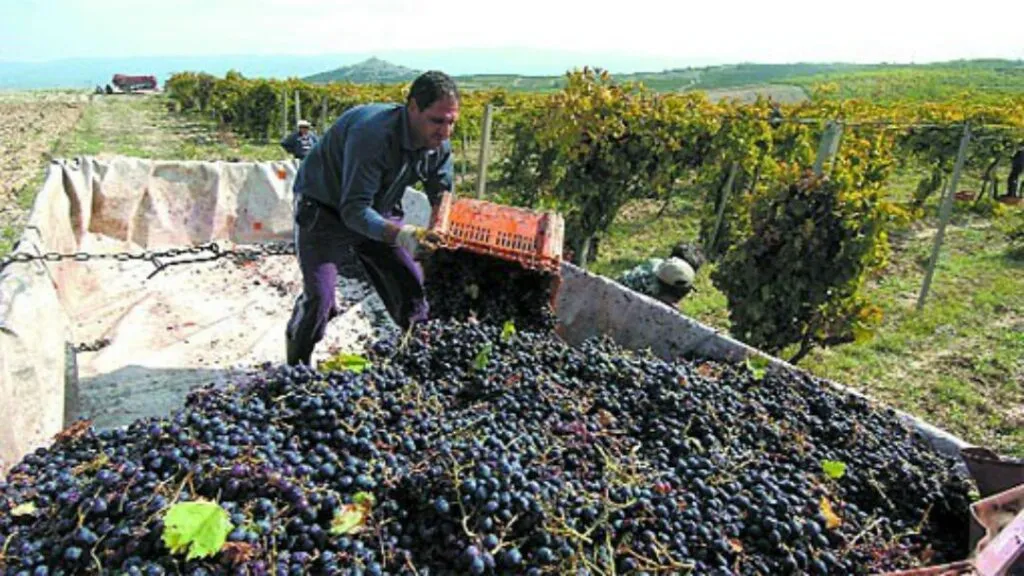
For three days Kavadarci is celebrating the "Tikveš Grape Harvest" - a carnival, tastings, music, a harvest table in the centre of town. A few kilometres away, in the vineyards, part of the crop is rotting unpicked. Days ago a storm with torrential rain, hail and strong wind hit the Tikveš region and stripped the crop off the farmers right before picking.
"The village is burning, grandma is combing her hair," says grower Gordana Stošić. Farmer Dragi Dzalev is blunter: "What harvest festival - this is a mourning festival. Who are they singing for? For the cheated people of Strumica, for the cheated people of Tikveš. Kočani is next in line."
The minister's numbers
Agriculture Minister Borče Serafimovski announced from Kavadarci that the price of grapes is 25 percent higher this year and that the buy-up is under way. He expects a purchase of 90 to 100 million kilograms - because of drought, unfavourable weather and the storms. For comparison, around 113 million kilograms of wine grapes were bought last year.
So the crop is smaller by at least 13 million kilograms. Which also means the surplus-grapes excuse - the one wheeled out every autumn when the wineries refuse to buy - will not work this year. Less grapes, a higher price, a credit line of around 540 million denars through the Development Bank going straight to the wineries to buy up the vranec.
On paper it all adds up. In the field it does not.
Where the arithmetic breaks
The problem growers point to is not primarily the price. Some producers have no sales contracts at all for the vranec and kratošija varieties. That is the difference between a bad year and an impossible one - a grower who knows what he will get can do the maths; a grower who does not know whether he will have anyone to sell to cannot plan anything.
The most serious storm damage is around Berovo, Gevgelija, Valandovo, Radoviš and Probištip, with further damage in the Kavadarci-Negotino region. Hail and wind damaged bunches, shoots and leaves, and mechanically damaged berries carry a higher risk of splitting and rotting. That means lower yield and weaker sugar content - the two parameters growers are paid on.
It is not only the vineyards. In Pelagonia, damage has been reported to peppers and tobacco, with tobacco growers reporting losses of up to 100 percent. Around Strumica, where a significant share of production is under greenhouses, the damage is smaller, but the problem there is different: the agreed purchase price of 30 denars per kilogram for ajvar peppers is, according to Farmers' Union president Risto Velkov, simply not being honoured on the ground.
Two pictures from the same town
Kavadarci mayor Mitko Jančev says this year is no worse or less organised than previous ones, that the government and the ministry have paid maximum attention, and that he expects a distillery to be built in 2027 in agreement with the wineries. He confirms the wineries are holding stocks of last year's wine.
Those stocks are the entire story in one sentence. If the cellars have not sold last year's wine, they have nowhere to put this year's grapes - and no festival fixes that. Hence the public calls to boycott the harvest festival, carrying a message heavier than any analysis: "First the purchase, then the singing."
The latest 10 news from this category

The largest round ever by a European tech firm is led by Samsung, and Macron called it a third way...

The queue for putting cargo into orbit is growing faster than the capacity, and one supplier holds almost all of...

A consultant paying 200 dollars a month could not get an itemised bill for his own usage. When he asked...

The headline number is low. But year on year recreation went up 8.8 per cent and food 1 per cent...
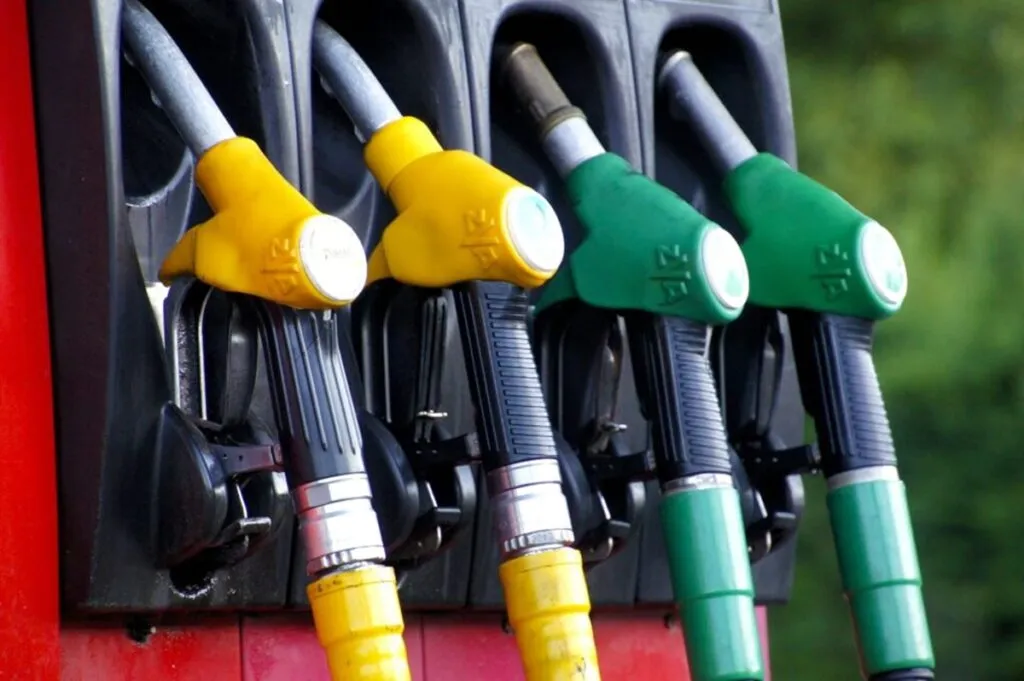
Extra-light heating oil went up by 8 denars and reached 105 denars a litre. That is the fuel some households...
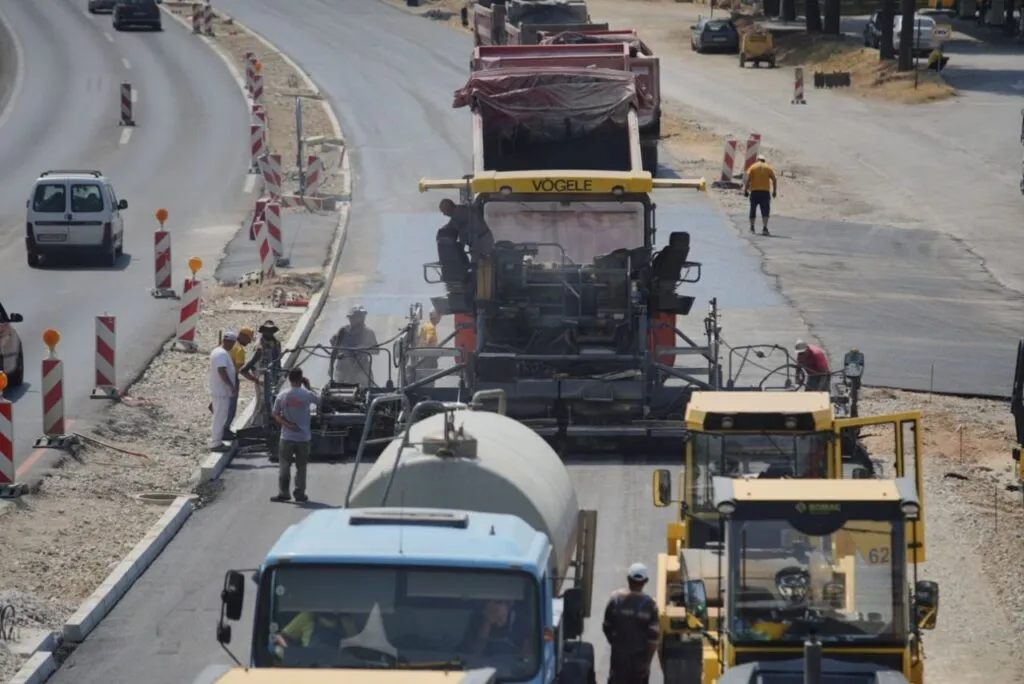
Nikoloski called it the highest quarter on record. The growth comes from projects set up in 2024 - which means...
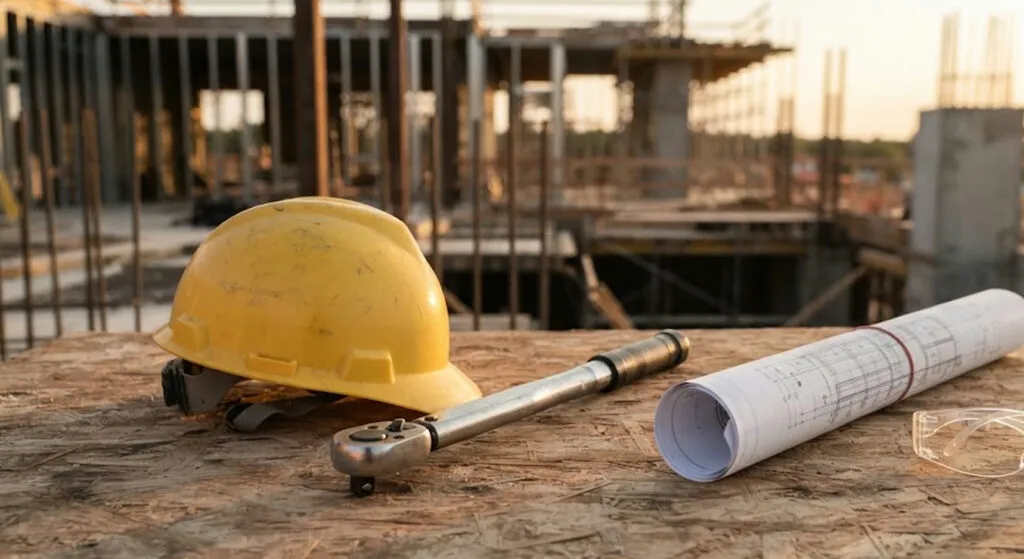
Opendoor's founder raised 25 million dollars for an app that tells construction workers whether they installed something correctly. What the...
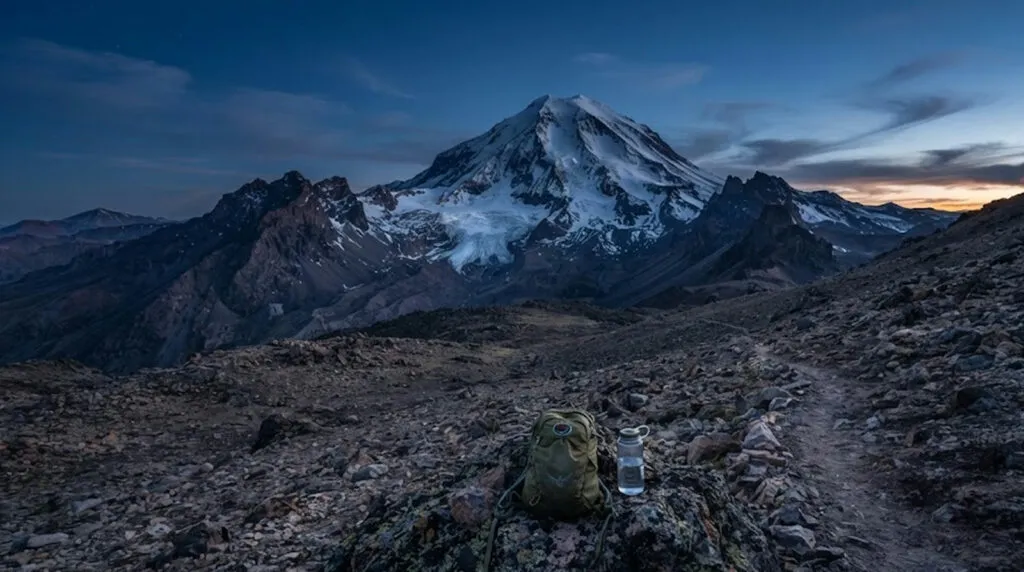
They set off at three in the morning, reached the summit at seven in the evening, spent the night in...

The head of Google Photos boasted about an agent for her 143,206 photos. The feature applies only to paying users...

22 million listings across 31 countries, a 30-year mortgage and one third of income as the threshold. The gap between...
This site uses cookies - is that okay? Learn more
Be the first to know when Metla launches something new
Leave your email and we will write when there is a new guide or something new on Metla.