Skopje Breathed Smoke From Two Mountains: 21 Fires in One Day, and Vodno Was Clean
25.08.2026


25.08.2026

24.08.2026

23.08.2026

25.08.2026

25.08.2026

24.08.2026

25.08.2026

25.08.2026

25.08.2026

25.08.2026

24.08.2026

23.08.2026

25.08.2026

25.08.2026

25.08.2026

25.08.2026

25.08.2026

25.08.2026

09.03.2026

27.02.2026

19.02.2026

23.04.2026

23.04.2026

12.04.2026
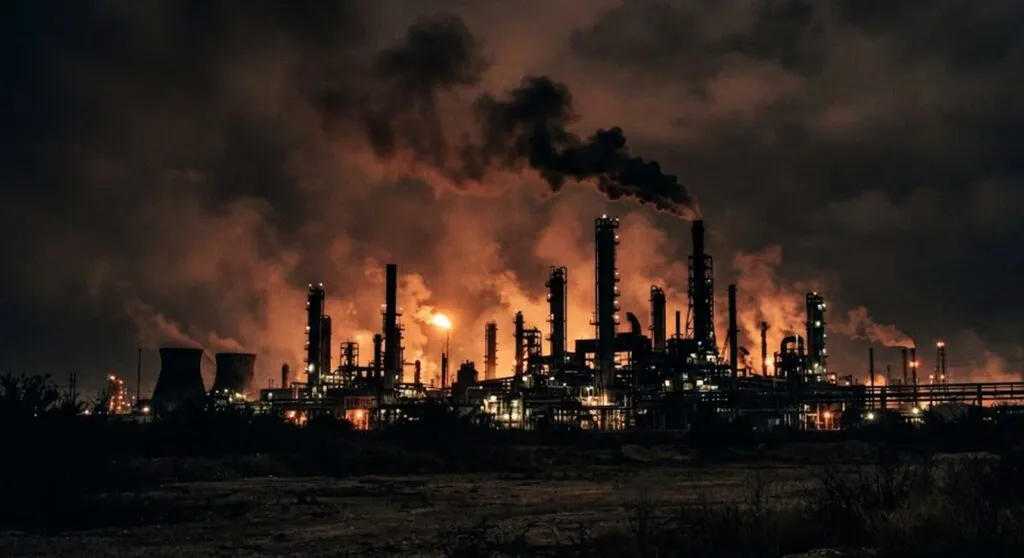
Ukrainian forces struck Russia's Krasnodar region overnight. The target was the Afipsky refinery, one of the largest in the south of the country. A major fire broke out after the explosions, and air raid sirens sounded across the region.
Residents posted footage showing fire spreading across the refinery grounds. Russian authorities have yet to say what was hit or how great the damage is. Nor is it known what weapon was used, and the Ukrainian military has not commented on the operation.
Why a refinery specifically
Afipsky processes around 6.25 million tonnes of crude a year - roughly two percent of Russia's total refining capacity. It produces petrol, diesel, gas condensates, heavy oil derivatives and sulphur. This is not the first time: a drone strike caused a fire at the same site in June.
Two percent sounds small. But wars are not fought with percentages of capacity - they are fought with how much fuel reaches the front and how much money enters the budget. Ukraine systematically targets refineries and energy infrastructure with long-range drones, and the logic is simple: less fuel means a slower army, less export means a thinner treasury.
The war that moved deep into Russia
The same night, air defences were activated near the Novoshakhtinsk refinery in the Rostov region too, with no confirmed damage so far. Ukrainian forces have recently been intensifying strikes deep inside Russian territory - energy facilities, but also large logistics hubs.
That is a shift worth noting. In the first years of the war the front was a line on a map. Now the targets are hundreds of kilometres away from it, and Russia's interior is no longer the rear - it is part of the battlefield.
For Europe that means one thing rarely said out loud: every successful strike on a Russian refinery brings the negotiating table one step closer, while at the same time extending the logic in which victory is measured in burning plants. How long can a war be fought that way before somebody decides talking is cheaper?
The latest 10 news from this category
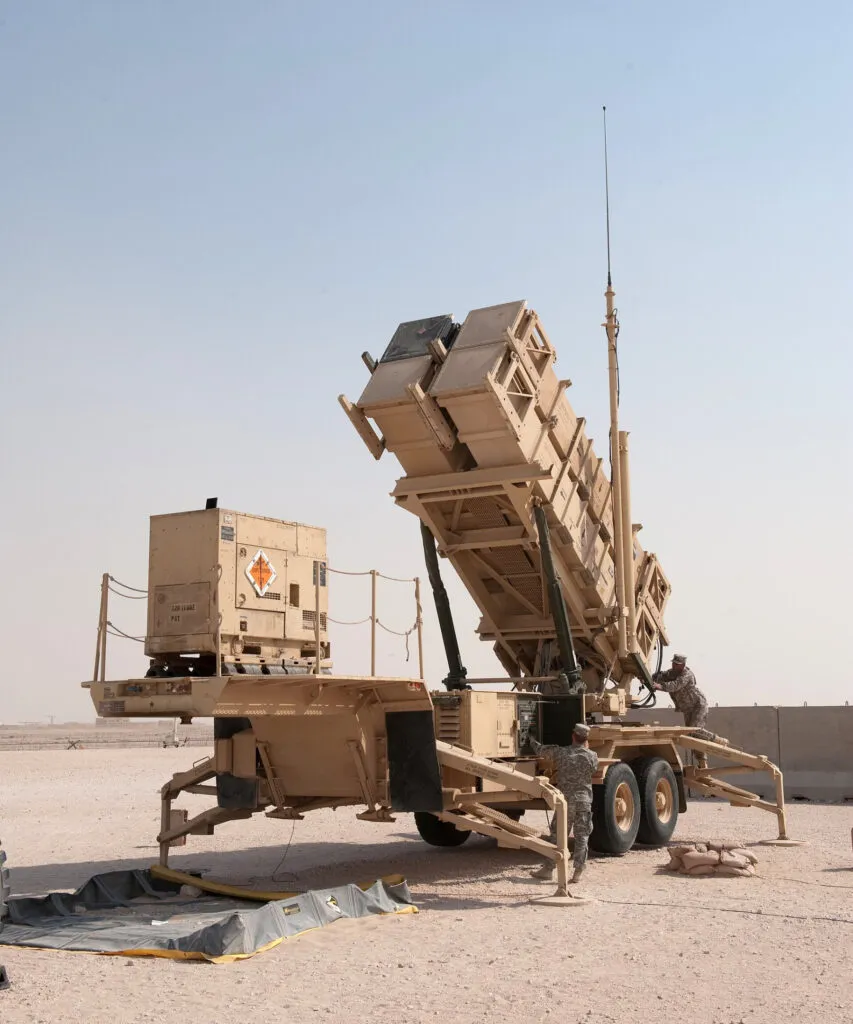
Bezmer in Bulgaria. Akrotiri in Cyprus. Missiles with a range over 2,000 kilometres. This is no longer a distant conflict...
Samara, Orenburg, Krasnodar, Adygea, Stavropol. Hundreds of evacuated workers who never decided anything about any front.
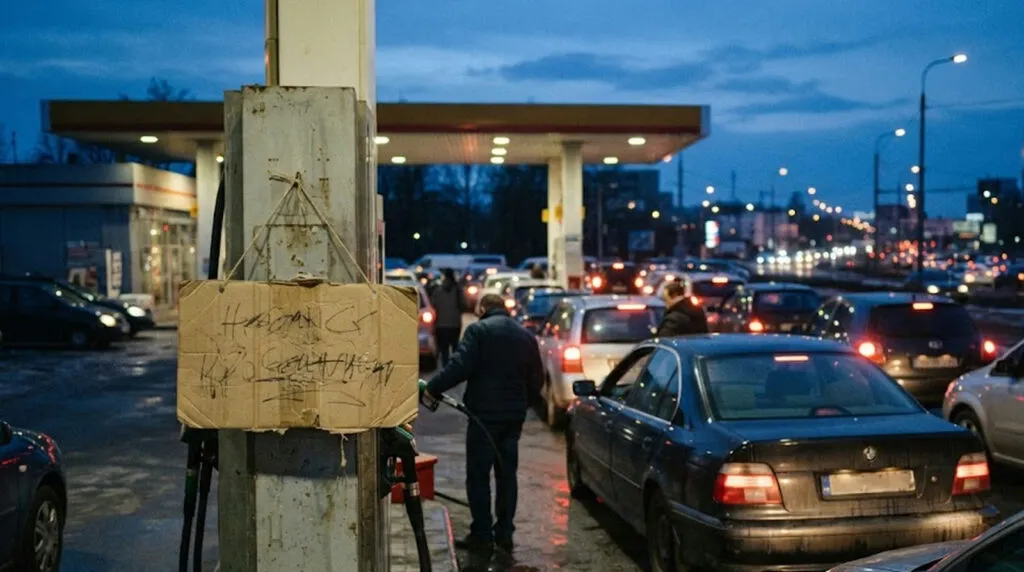
Gazprom Neft and Tatneft have restricted sales in Moscow itself. The war that ran somewhere far away for years has...
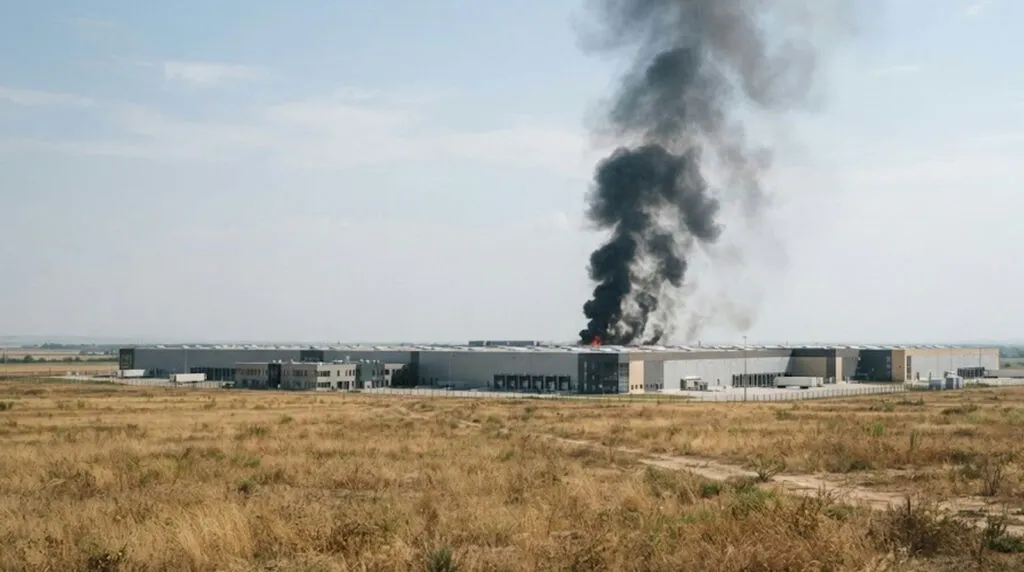
Five regions in three days, hundreds of workers evacuated and two burnt-out facilities of over 90,000 square metres each. Once...
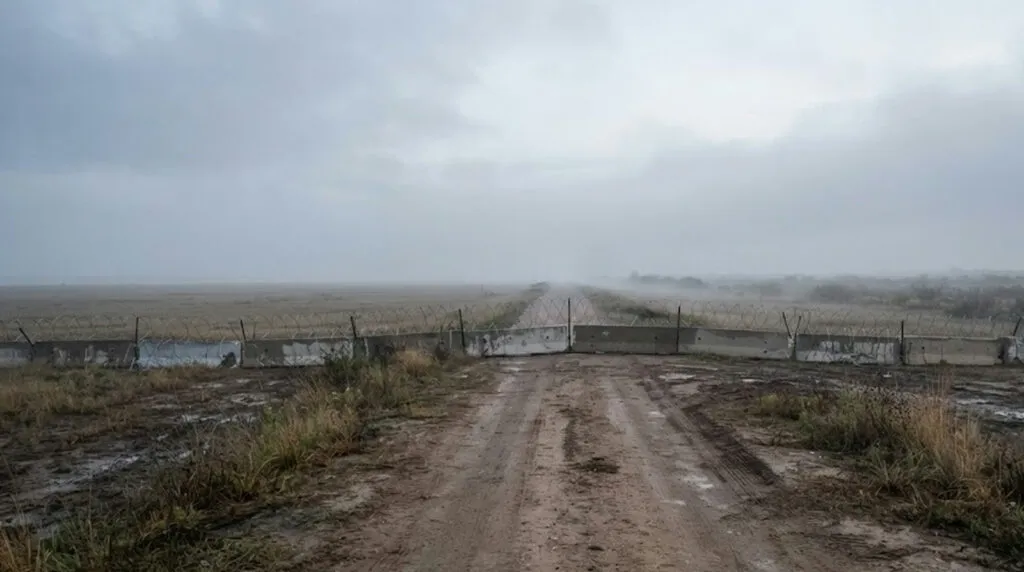
Mutual withdrawal, a buffer zone and a third party to run it. Everything is feasible except one thing - and...
Not an analysts' estimate but an admission from Kyiv itself. Funds earmarked for the second half of the year were...
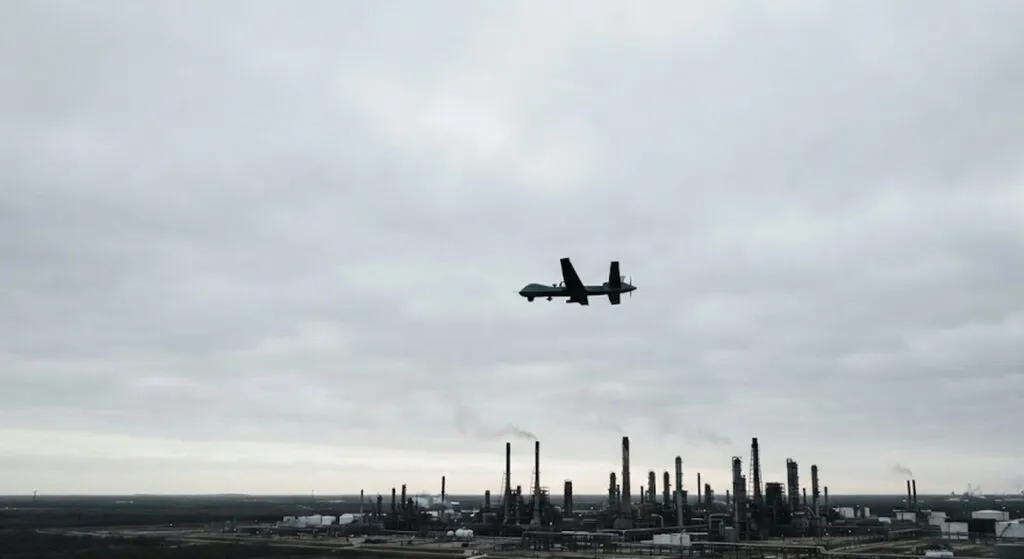
Moscow claims London is no longer just supplying weapons but taking part directly. And the Russian analyst who said it...

An old training aircraft chases a Russian drone, and the drone starts manoeuvring and gets away. The decoy has grown...
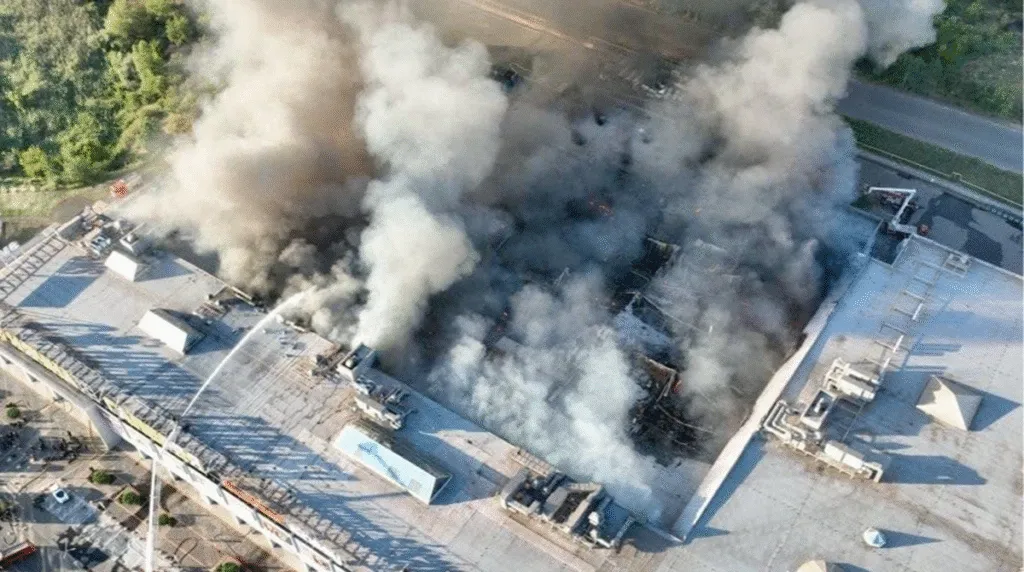
The first wave hit in the afternoon, when the centre was full. Half an hour later came the second -...
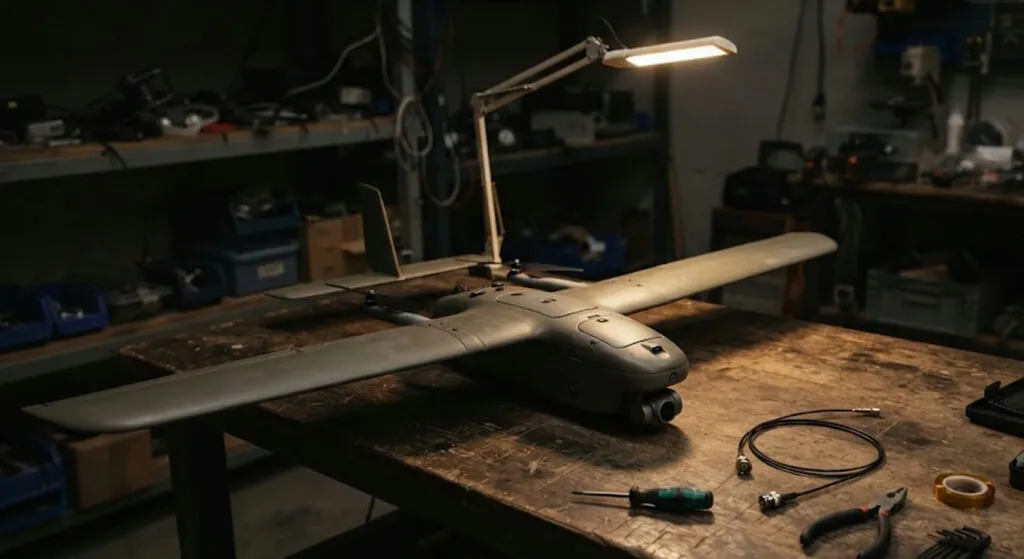
Ukraine asked for permission to strike up to 200 kilometres inside Russia. Behind the refusal sits a bigger number -...
This site uses cookies - is that okay? Learn more
Be the first to know when Metla launches something new
Leave your email and we will write when there is a new guide or something new on Metla.