
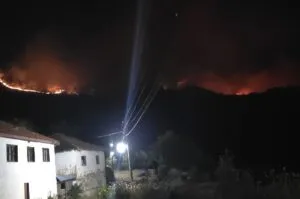
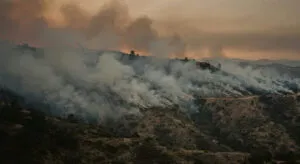
33 fires in 24 hours: a beech forest is burning in Kicevo, and near Kumanovo the flames reached the houses
24.08.2026


24.08.2026

24.08.2026
24.08.2026

24.08.2026
24.08.2026
24.08.2026
24.08.2026

23.08.2026
22.08.2026

24.08.2026

24.08.2026

23.08.2026

24.08.2026

24.08.2026

23.08.2026

24.08.2026
23.08.2026

22.08.2026

24.08.2026

24.08.2026

24.08.2026

24.08.2026

24.08.2026

23.08.2026

09.03.2026

27.02.2026

19.02.2026
24.08.2026
23.08.2026
23.08.2026

23.04.2026

23.04.2026

12.04.2026
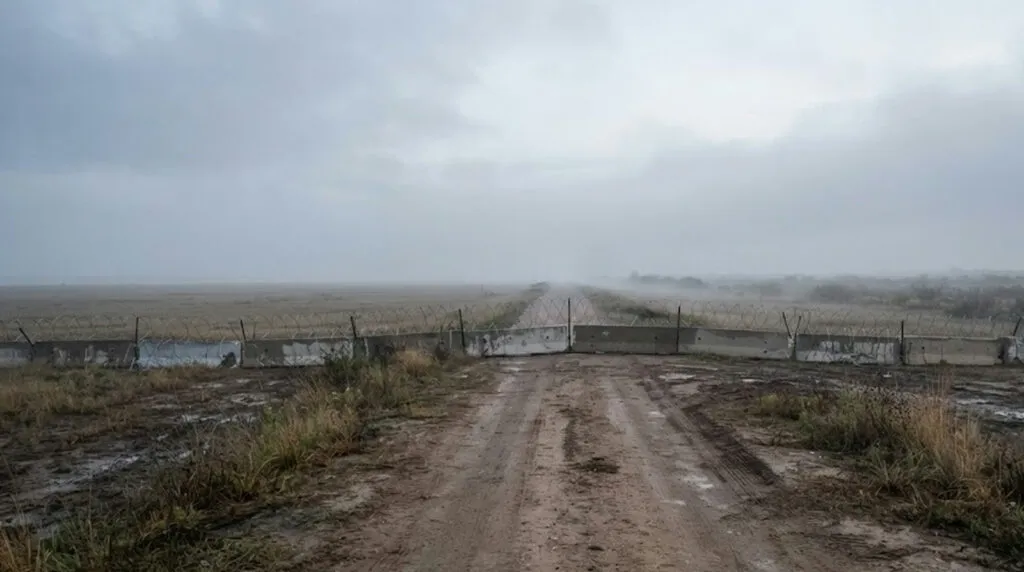
Volodymyr Zelensky has for the first time named the specific ceasefire model being discussed with Washington and European partners. It is not a peace treaty, it is not a capitulation, and nothing has been signed yet - but it is the first time someone from Kyiv has said out loud what the architecture of a lull would look like.
The model has three parts. First, a mutual withdrawal of Russian and Ukrainian forces from their current positions. Second, the creation of a buffer zone between the two sides, administered by a third party. Third, a possible mutual halt to strikes on energy and agricultural infrastructure.
It is that third part Zelensky formulated most precisely: "Ukraine is ready to discuss stopping strikes on energy and agricultural infrastructure, but only on a mutual basis." That "only on a mutual basis" is the whole sentence in miniature - nobody stops first.
Where the model falls apart
Russia demands Ukraine withdraw from the Donbas. Kyiv refuses territorial concessions without prior agreements. That is not a technical disagreement to be solved with better wording - it is the dispute the war exists for in the first place. Everything else in the model is feasible; this is not.
There is also the question nobody has answered yet: which third party would administer the buffer zone? No name was given. And in a region that has been through peacekeeping missions, that question is not a formality - the answer decides whether the zone becomes a border or merely a pause line.
The window has a date
Zelensky also defined a deadline: a window of opportunity from the end of 2026 to the summer of 2027, tied to the American political calendar. It is honestly said, and that is exactly what makes it hard. When a state ties its own chance at peace to somebody else's electoral cycle, it admits something that is rarely said out loud - that the decision is not entirely its own.
The Balkans knows that dependence well. The difference is that here it is learned from history, while in Kyiv they are writing it in real time. Whether the model survives to the first negotiating table, or remains another well-cut plan without a signature - autumn will show.
The latest 10 news from this category
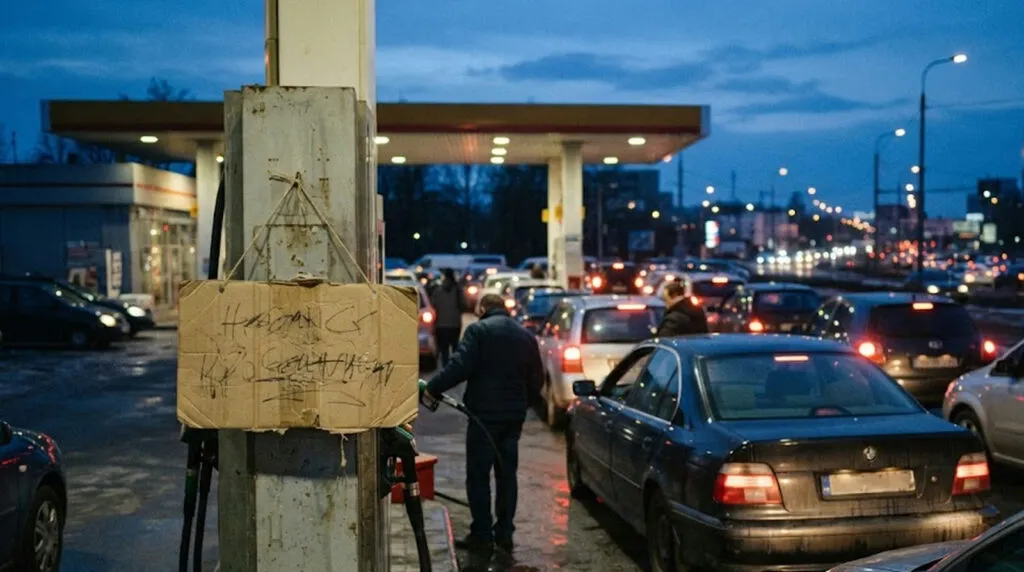
Gazprom Neft and Tatneft have restricted sales in Moscow itself. The war that ran somewhere far away for years has...
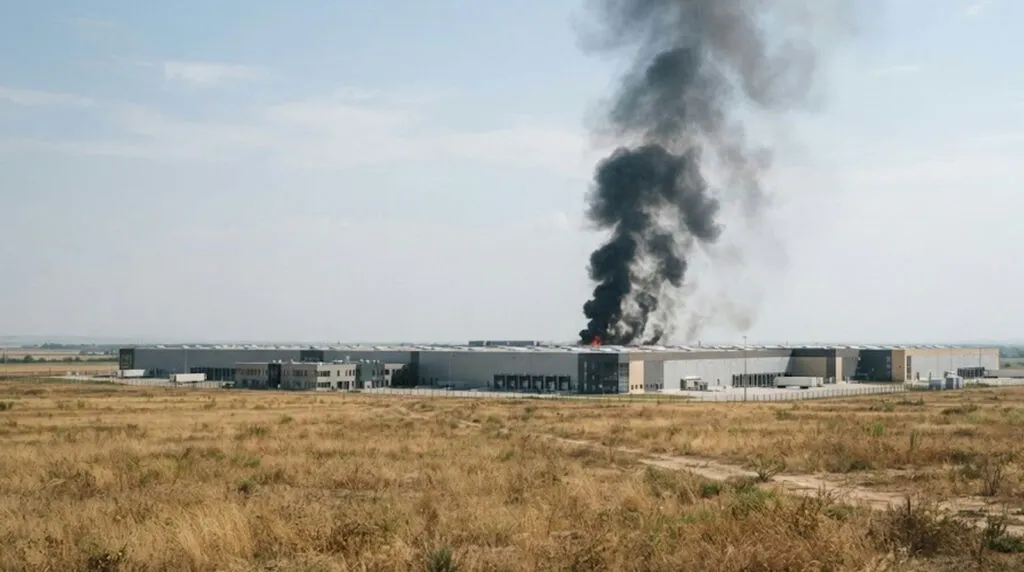
Five regions in three days, hundreds of workers evacuated and two burnt-out facilities of over 90,000 square metres each. Once...
Not an analysts' estimate but an admission from Kyiv itself. Funds earmarked for the second half of the year were...
Moscow claims London is no longer just supplying weapons but taking part directly. And the Russian analyst who said it...
An old training aircraft chases a Russian drone, and the drone starts manoeuvring and gets away. The decoy has grown...
The first wave hit in the afternoon, when the centre was full. Half an hour later came the second -...
Ukraine asked for permission to strike up to 200 kilometres inside Russia. Behind the refusal sits a bigger number -...
Fighters, reconnaissance and electronic warfare aircraft over the Russian exclave - with Washington holding the controls, not Brussels. The question...
Zelensky said Russia attacked a crossing on the Moldovan border with drones. Three days earlier something had already exploded on...
A night missile strike on Kyiv and the surrounding region, warehouses and plants hit. The heaviest accusation did not come...
This site uses cookies - is that okay? Learn more
Be the first to know when Metla launches something new
Leave your email and we will write when there is a new guide or something new on Metla.
