
Шест години лажни категории во возачки дозволи од шалтер во МВР: обвинети шестмина, уште 21 лице под истрага
21.09.2026


21.09.2026

21.09.2026
21.09.2026

21.09.2026

21.09.2026

21.09.2026

21.09.2026

20.09.2026

20.09.2026

21.09.2026

21.09.2026

20.09.2026

21.09.2026

21.09.2026

21.09.2026

21.09.2026

20.09.2026

19.09.2026

21.09.2026

21.09.2026

21.09.2026

21.09.2026

21.09.2026

21.09.2026

09.03.2026

27.02.2026

19.02.2026
20.09.2026

19.09.2026

18.09.2026

23.04.2026

23.04.2026

12.04.2026


Twenty-two states - Macedonia among them - have sent a joint warning to Iran. The accusation is grave: that Tehran is running a campaign in which it hires international and local criminal gangs to carry out murders and terrorist attacks on foreign soil, across Europe, North America and Australia.
The list of signatories speaks for itself - Albania, Australia, Belgium, Britain, Bulgaria, Canada, the Czech Republic, Denmark, Estonia, France, Finland, Germany, Ireland, Latvia, Lithuania, the Netherlands, New Zealand, Macedonia, Norway, Portugal, Sweden and the US. When so many different countries sign the same statement, it usually means something more serious than diplomatic courtesy stands behind it.
The targets, according to the warning, aren't random. Under attack are Jewish communities in Britain, Belgium and the Netherlands, as well as Iranian and American opposition journalists in exile. The radical group HAYI claimed responsibility for knife attacks on Jews and for arson at synagogues in north London. Australia went furthest - it expelled the Iranian ambassador and closed its embassy in Tehran, after officially accusing Iran of having ordered antisemitic attacks, including a fire at a synagogue in Melbourne and at a kosher café in Sydney.
"Attempts at murder, kidnapping, harassment, intimidation or any other attacks on people on our soil directly undermine national sovereignty and international norms. These actions must stop immediately," the joint statement reads.
Why does this matter precisely for us? Because Macedonia isn't a sideline observer - it's on the list of signatories. That means our state too, at least on paper, counts among those that told Tehran they won't look away. The question that remains is whether the signature is backed by the capacity to recognize a threat like this if it ever comes closer - because "foreign soil" in a globalized world is more elastic than ever.
The latest 10 news from this category

Три опции на масата во Вашингтон - воен притисок, економско давење или договор - а претседателот ја опишува дилемата како...
Партијата на Аденауер и Кол се лизна до изборниот праг во Мекленбург, АфД веќе бара оставка од канцеларот, а Мерц...
Two prime ministers in the same Union, the same month, completely opposite diagnoses of who is provoking whom. There is...
A broken aircraft in a field usually ends up in a police note. This one ended up with federal investigators,...
Beijing will easily find another supplier. The harder question is what Washington is actually testing: whether private Chinese companies will...
The law lets Washington hit the five biggest buyers of Russian oil with tariffs of up to 100 per cent....
Measures imposed over the war in Ukraine are now being offered as currency in an entirely different dispute. If the...

A smaller dose and more needles does not mean a safer vaccine, it means an ineffective one. Science has had...
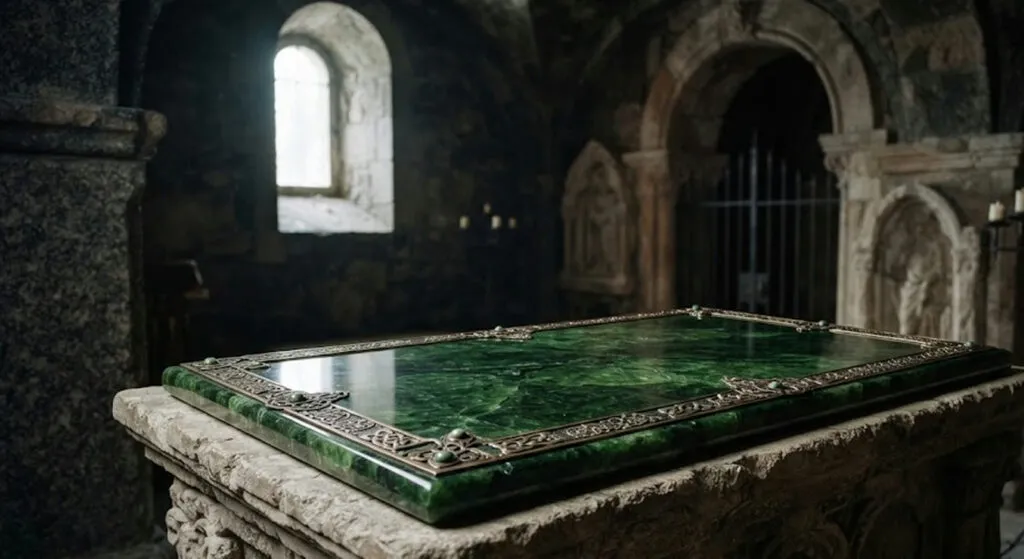
Harald designed the sarcophagus himself, and it is shaped like a ship. The stone is 400 million years old and...
Von der Leyen proposed a status that does not exist in European law, the Canadians distanced themselves, and Washington announced...
This site uses cookies - is that okay? Learn more
Be the first to know when Metla launches something new
Leave your email and we will write when there is a new guide or something new on Metla.