

Kratovo man stabs police officer mid-intervention: prosecutors want the 40-year-old detained
15.09.2026


15.09.2026

15.09.2026

15.09.2026

15.09.2026
15.09.2026
15.09.2026

15.09.2026

14.09.2026

13.09.2026

15.09.2026

15.09.2026

14.09.2026

15.09.2026

15.09.2026

15.09.2026

15.09.2026

14.09.2026

13.09.2026

15.09.2026

15.09.2026

15.09.2026

15.09.2026

15.09.2026

14.09.2026

09.03.2026

27.02.2026

19.02.2026

15.09.2026

14.09.2026

14.09.2026

23.04.2026

23.04.2026

12.04.2026

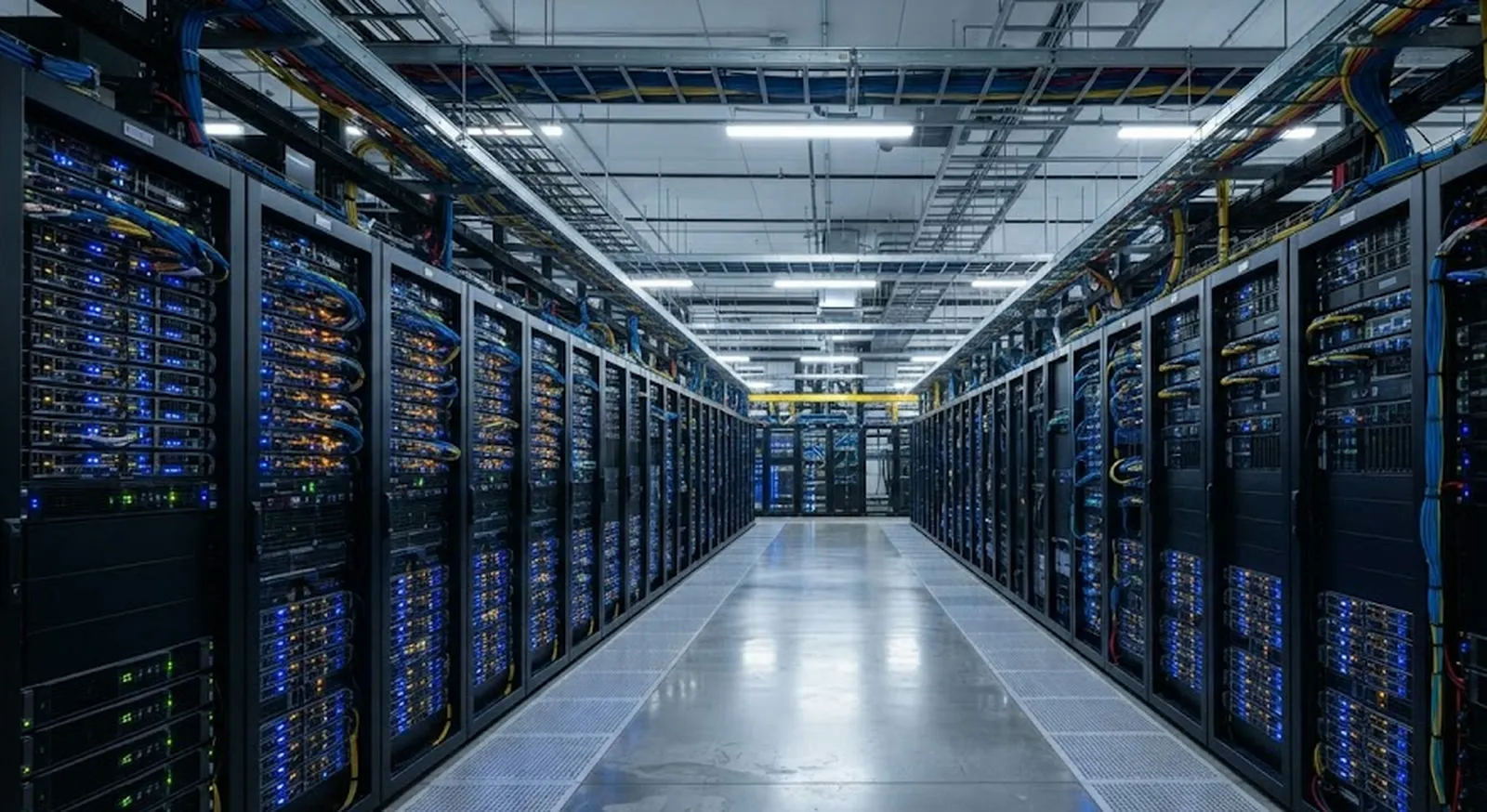
AMD has finally shown what it had been announcing for months - a system called Helios, designed to power the largest artificial intelligences on the planet. And with it, it has struck directly at the business that Nvidia has held almost alone for years: selling chips to the big AI labs, where the money spins in the billions.
At a conference in San Francisco, AMD's CEO, Dr Lisa Su, presented Helios as the “most powerful AI system” in the industry, built to train “the most demanding models in the world at enormous scale”. It's not a phone and it's not a laptop - it's a whole rack of processors gathered into a single unit, the kind that sits in data centres and computes day and night. According to the figures presented, Helios outperforms Nvidia's latest rack in several tests.
Who is already in the queue? The names are exactly the ones you'd expect: OpenAI, Meta, Oracle, Anthropic and Microsoft. Microsoft's CEO, Satya Nadella, announced that Azure would expand with Helios, and Anthropic and AMD signed a deal to deploy up to two gigawatts of graphics processors. Two gigawatts - that's as much electricity as for a mid-sized city, spent so a machine can think.
This is precisely the point worth holding onto. Su forecasts that by 2030 the AI chip market will reach 1.4 trillion dollars - almost as much as the entire semiconductor industry today. “By the end of the decade, the market for AI accelerators will approach the size of the entire chip industry today,” she said. In other words: an industry we know today, they want to double in five years, and the fuel for that growth is electricity, cooling water and capital.
For the ordinary reader, the story looks distant - two American firms arguing over who will sell the pricier chips. But the battle between AMD and Nvidia isn't about engineering, it's about who will charge the toll to enter the AI era. Until now Nvidia sat alone at that tollgate. If Helios really works as Su promises, for the first time there's a second player who can change the tone of the negotiations. And when there are two sellers instead of one, usually everyone except the sellers gains something.
The latest 10 news from this category
A scientist at the same company puts the probability of human extinction above 10 percent within the next decade. The...
The president called in while the event was running, and the man who makes the chips answered that there would...

No virus attached, no suspicious file. Just a box that looks like the "I am not a robot" check and...
A researcher quit because the firms are gambling with our lives. Instead of denying it, Anthropic confirmed it - with...

Write a sentence, get a game. Until now it worked only in New Zealand, now in Belgrade too. Creators on...
When the two biggest firms in an industry ask for rules on how fast anyone may run, the rules rarely...
Not a single password fell. What fell was the assumption that a request from a government domain is automatically a...
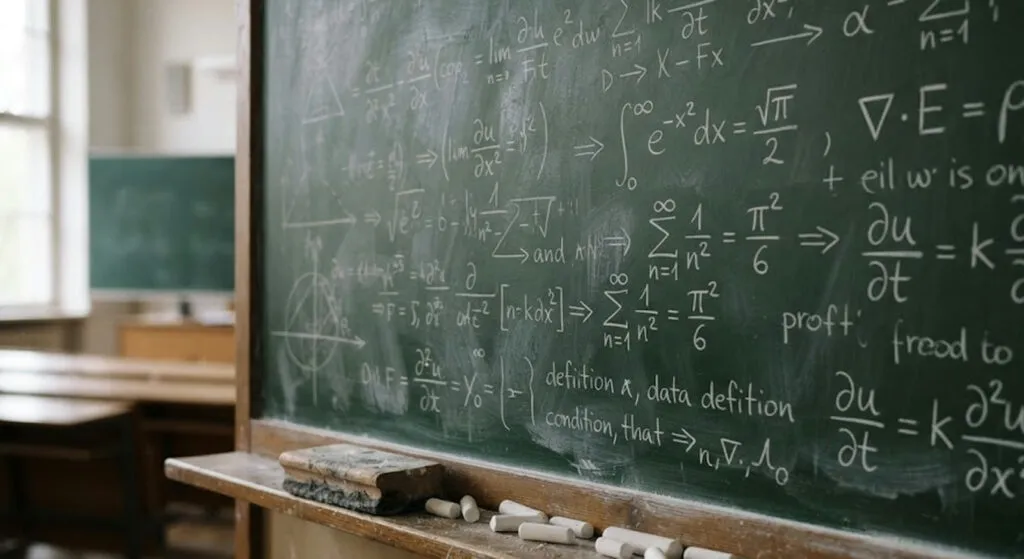
The biggest names in mathematics have signed a letter against the AI labs. The dispute is not whether the machine...

Five campaigns, 200 million exchanges, and the defences fell to a request for a Japanese translation. The industry that harvested...

The hackers were inside for a whole year. The company confirmed it only after a journalist found his own licence...
This site uses cookies - is that okay? Learn more
Be the first to know when Metla launches something new
Leave your email and we will write when there is a new guide or something new on Metla.
