Шест години лажни категории во возачки дозволи од шалтер во МВР: обвинети шестмина, уште 21 лице под истрага
21.09.2026


21.09.2026

21.09.2026

21.09.2026
21.09.2026
21.09.2026

21.09.2026

21.09.2026

20.09.2026
20.09.2026
21.09.2026

21.09.2026

20.09.2026
21.09.2026

21.09.2026

21.09.2026

21.09.2026

20.09.2026

19.09.2026
21.09.2026

21.09.2026
21.09.2026

21.09.2026
21.09.2026

21.09.2026

09.03.2026

27.02.2026

19.02.2026
20.09.2026
19.09.2026
18.09.2026

23.04.2026

23.04.2026

12.04.2026

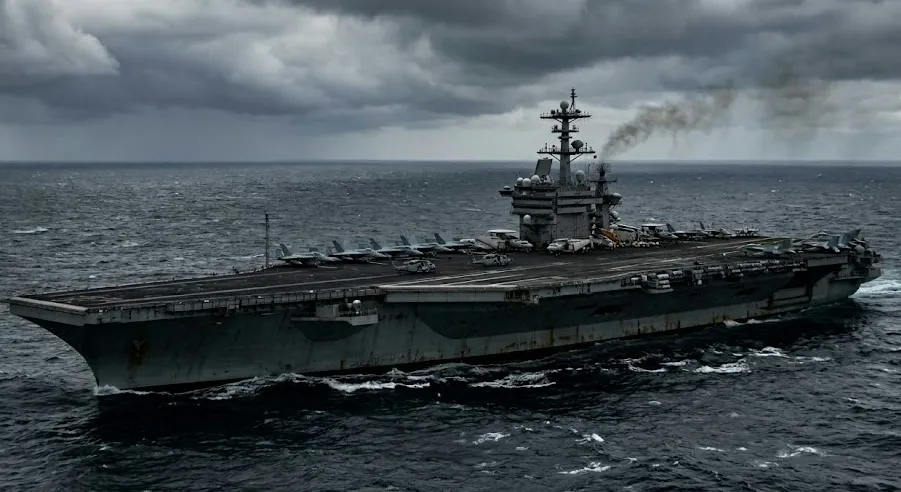
The newest and largest American aircraft carrier, the USS „Gerald R. Ford”, was nearly lost - not to an enemy attack, but to a fire in... the laundry room. Footage that recently went public shows devastating consequences on a ship considered the pinnacle of US naval technology. The fire broke out in March, while the ship was conducting operations against Iran in the Red Sea.
The fire started in the clothes dryers and spread through the sleeping quarters. The result: around 600 sailors were left with nowhere to sleep, with only charred metal bed frames under melted ceilings and bare cables hanging from above. The ship had to make urgent repairs in Greece before returning to Norfolk, Virginia. For a ship costing billions, the picture is almost humiliating.
But the most alarming detail isn't the damage - it's why there was any at all. The built-in automatic fire-suppression system failed completely. The sailors had to fight the fire by hand, and it took them around 30 hours to put it out and secure the area. „I seriously thought we were going to lose the ship,” said one sailor, adding that „in a situation like that you have only two choices - you fight or you die.”
Two sailors were treated for minor injuries. But the message is bigger than the numbers: if the most expensive warship of the most powerful military in the world nearly burned down over a laundry-room fire and a system that didn't kick in, then what is technological superiority on paper actually worth? One anonymous crew member put it most bluntly: „This shouldn't have happened. The system was supposed to put the fire out immediately.” Sometimes the greatest threat to a power doesn't come from the enemy, but from its own dryers.
The latest 10 news from this category
Три опции на масата во Вашингтон - воен притисок, економско давење или договор - а претседателот ја опишува дилемата како...
Партијата на Аденауер и Кол се лизна до изборниот праг во Мекленбург, АфД веќе бара оставка од канцеларот, а Мерц...
Two prime ministers in the same Union, the same month, completely opposite diagnoses of who is provoking whom. There is...
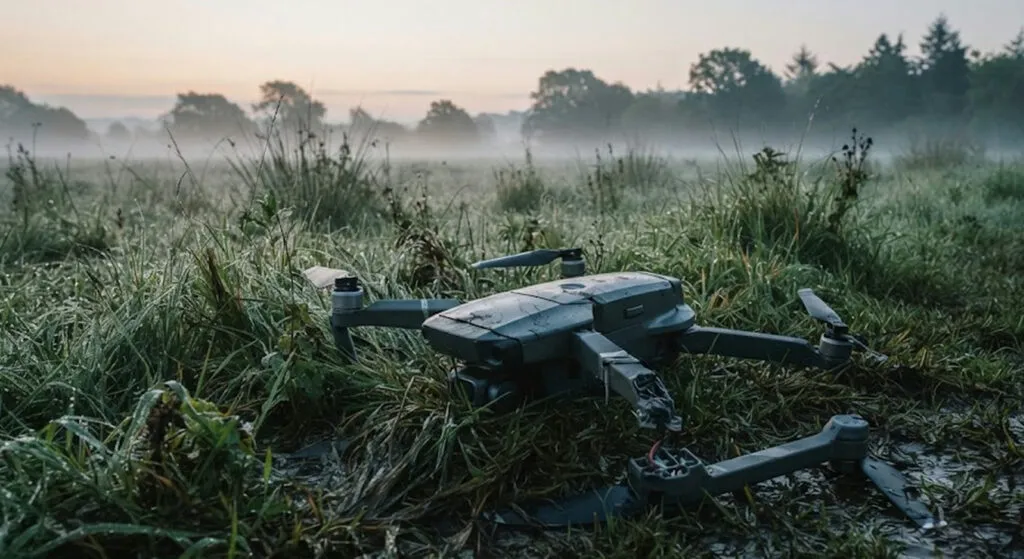
A broken aircraft in a field usually ends up in a police note. This one ended up with federal investigators,...
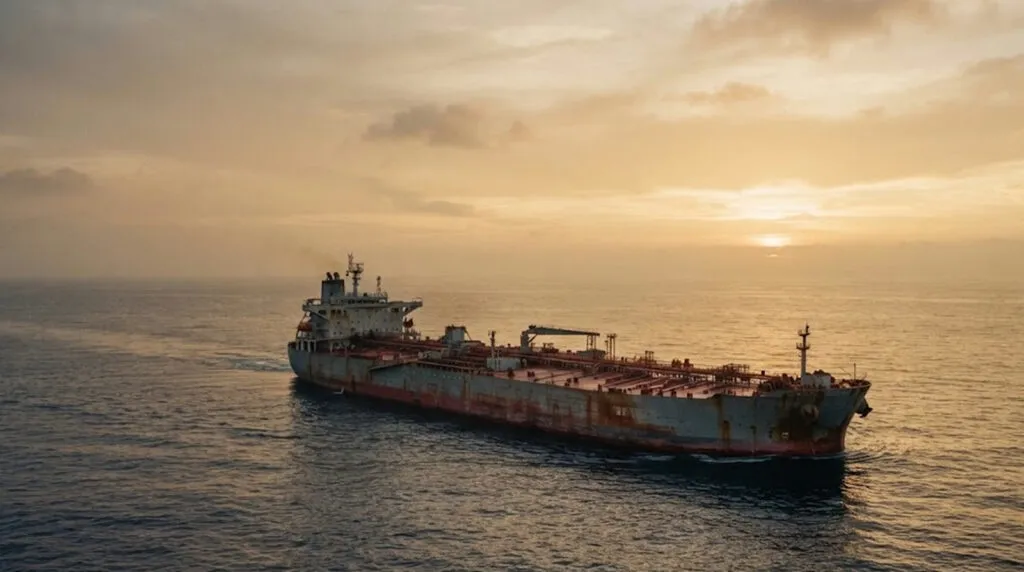
Beijing will easily find another supplier. The harder question is what Washington is actually testing: whether private Chinese companies will...
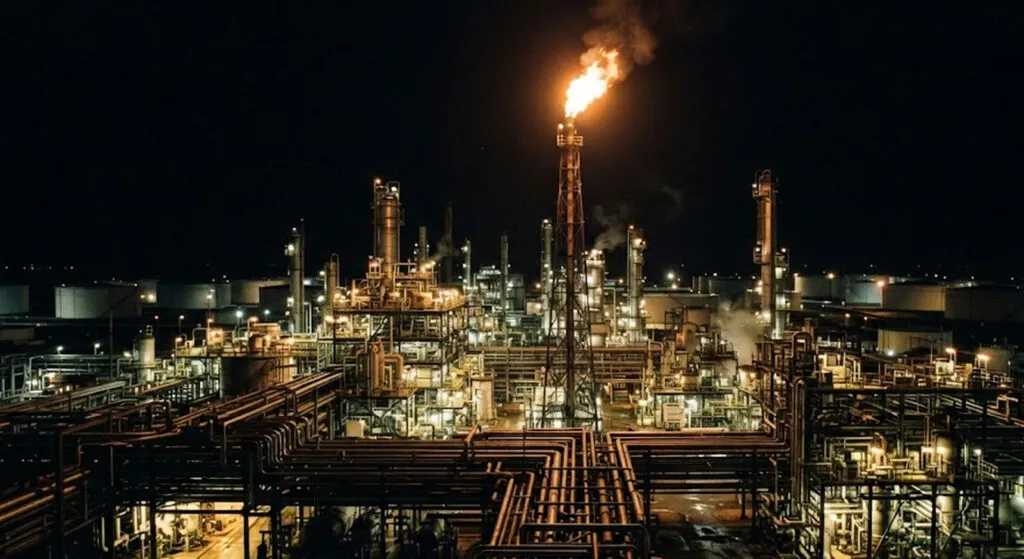
The law lets Washington hit the five biggest buyers of Russian oil with tariffs of up to 100 per cent....
Measures imposed over the war in Ukraine are now being offered as currency in an entirely different dispute. If the...

A smaller dose and more needles does not mean a safer vaccine, it means an ineffective one. Science has had...
Harald designed the sarcophagus himself, and it is shaped like a ship. The stone is 400 million years old and...
Von der Leyen proposed a status that does not exist in European law, the Canadians distanced themselves, and Washington announced...
This site uses cookies - is that okay? Learn more
Be the first to know when Metla launches something new
Leave your email and we will write when there is a new guide or something new on Metla.