

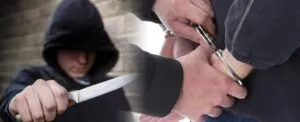
Kratovo man stabs police officer mid-intervention: prosecutors want the 40-year-old detained
15.09.2026


15.09.2026

15.09.2026

15.09.2026
15.09.2026
15.09.2026
15.09.2026

15.09.2026

14.09.2026

13.09.2026

15.09.2026

15.09.2026

14.09.2026

15.09.2026

15.09.2026

15.09.2026

15.09.2026

14.09.2026

13.09.2026

15.09.2026

15.09.2026

15.09.2026

15.09.2026

15.09.2026

14.09.2026

09.03.2026

27.02.2026

19.02.2026

15.09.2026

14.09.2026
14.09.2026

23.04.2026

23.04.2026

12.04.2026

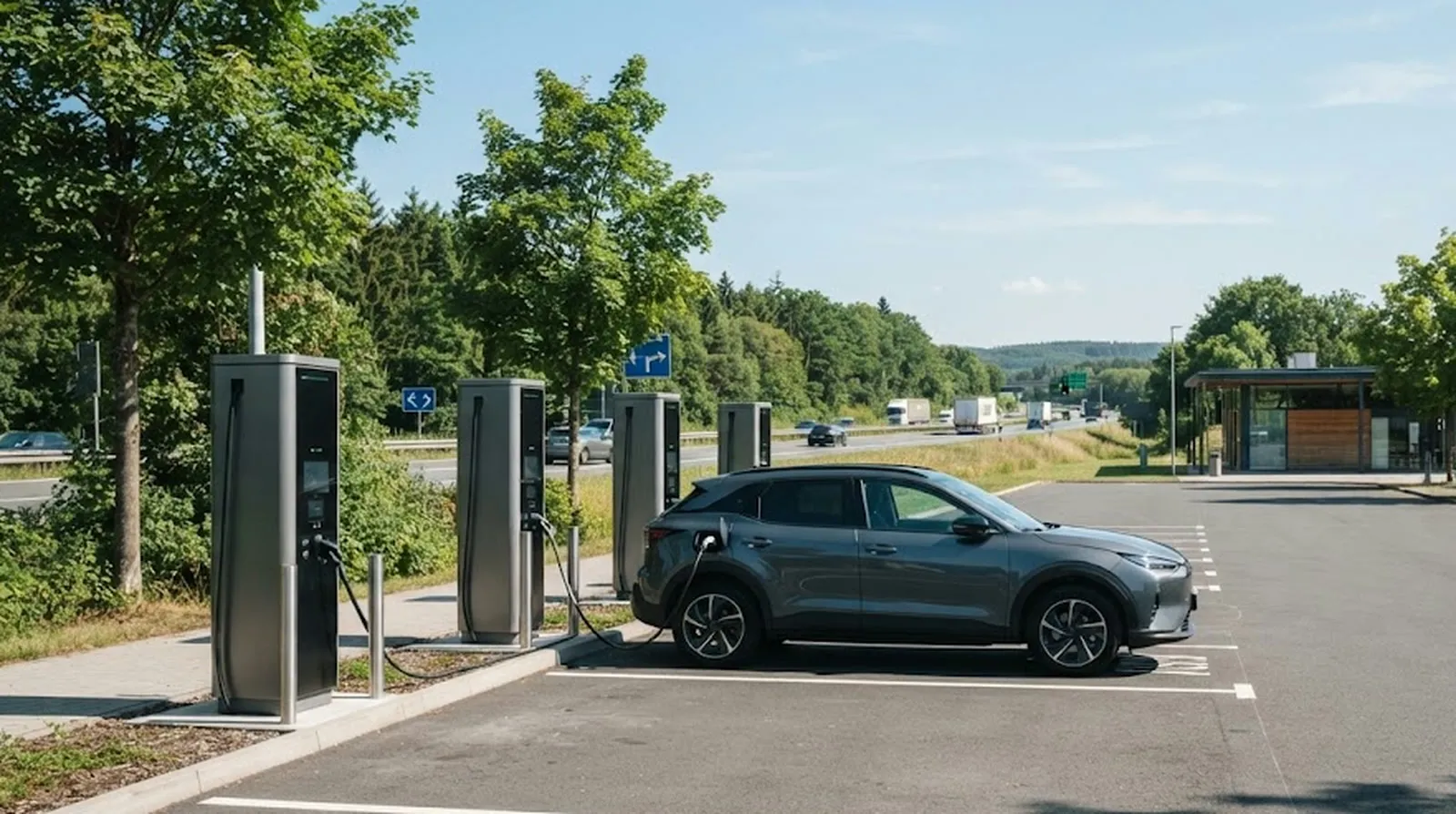
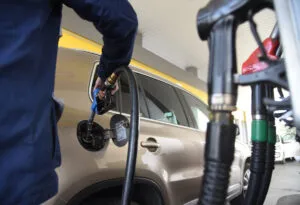
The biggest fear of anyone thinking of buying an electric car isn't the price, but the question: what if I run out of charge halfway? More than half of the respondents in one American survey last year named public charging as their main worry. And that worry wasn't groundless - charging at fast stations was, for years, either luck or agony.
But something has changed. One journalist who has driven electric cars for decades describes a recent trip of over 960 kilometres (600 miles) to Montreal as nearly flawless - an experience so different from before that he was surprised himself. They drove an Audi e-tron with a range of only about 350 kilometres per charge, not the somewhat longer Kia that was in for service. And despite the shorter range, the car handled the trip without drama.
Here's the difference. At the first stop - six 300-kilowatt chargers, all working, no queues, with a shop and food right next to them. The charger accepted an ordinary bank card and delivered over 140 kilowatts. Each charge took about 20 minutes, exactly the length of a lunch or rest break. Not once did they wait on the car. The only obstacle on the whole trip was one card reader that didn't work, so they had to download an app and hand it twenty Canadian dollars.
To understand what a change this is, it's worth recalling how it used to be. Three years ago, the same man with the same car travelled to Maine - a route half as long - and came back disappointed. The first charger fell apart the moment he plugged in. The second wouldn't start without a call to customer support. At another station, the app promised two working chargers out of four, and only one worked. Seven hours of driving and three calls to support. Imagine a petrol pump working like that?
Personal experiences are anecdotes, but the data confirms the story. In July 2023 America had around 32,000 fast chargers, many of them reserved only for Tesla drivers. Today the figure is more than double, and Tesla's network is open to nearly everyone. And what matters more - the stations are more reliable: the reliability index jumped by about ten points in a year, from 85 to the mid-90s.
The gaps still exist, the chargers still break down. But new ones are added every month, and broken ones are fixed faster than before. And while the infrastructure for electric cars is only being built here, the story from the other side of the ocean carries one lesson: the technology everyone wrote off as immature quietly matured while no one was watching.
The latest 10 news from this category
A scientist at the same company puts the probability of human extinction above 10 percent within the next decade. The...
The president called in while the event was running, and the man who makes the chips answered that there would...
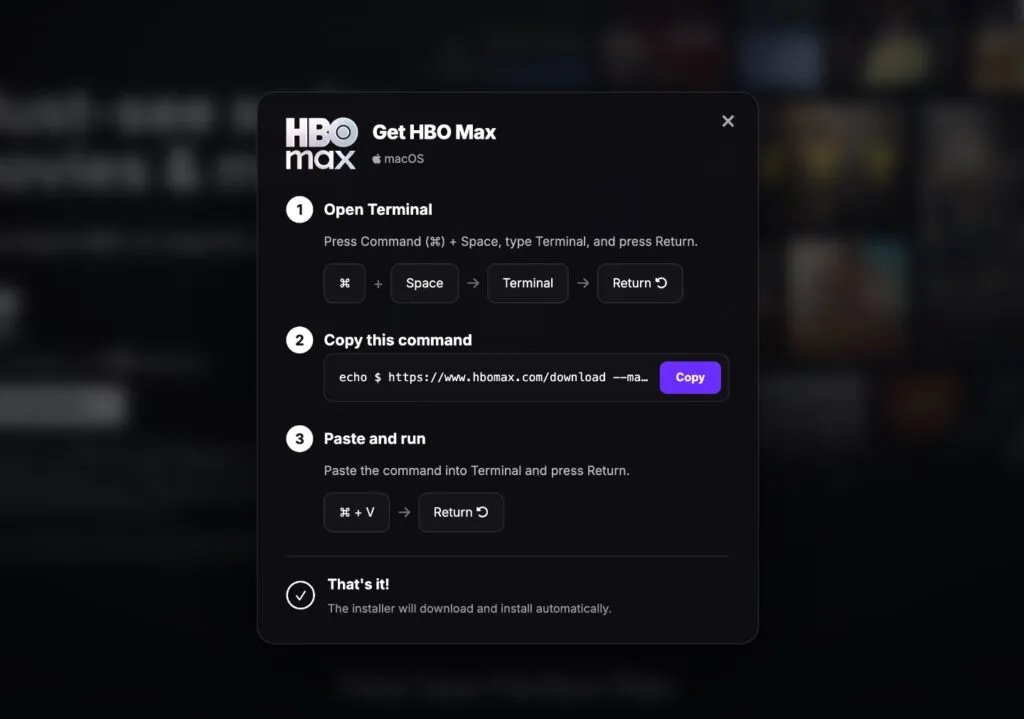
No virus attached, no suspicious file. Just a box that looks like the "I am not a robot" check and...
A researcher quit because the firms are gambling with our lives. Instead of denying it, Anthropic confirmed it - with...
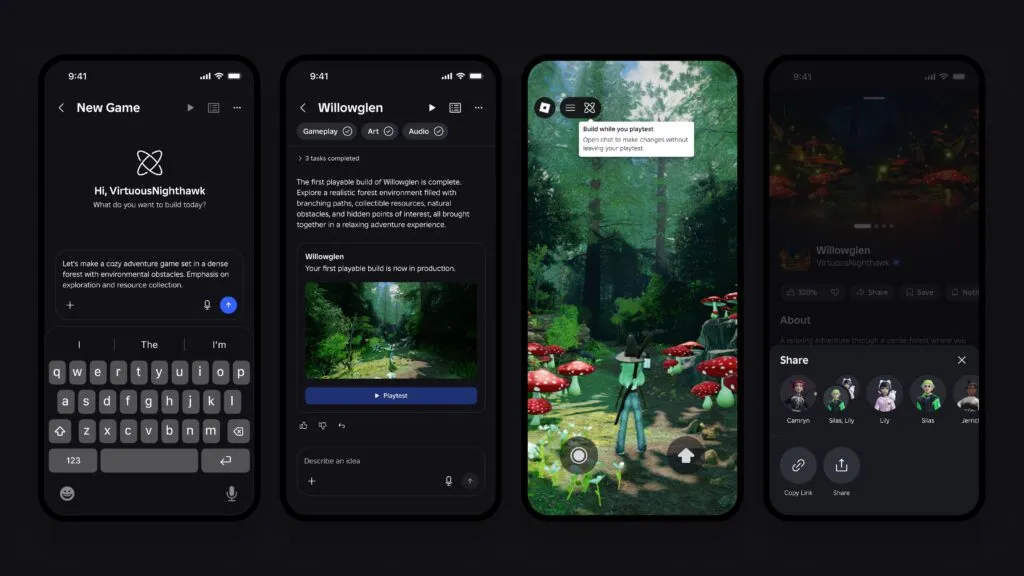
Write a sentence, get a game. Until now it worked only in New Zealand, now in Belgrade too. Creators on...
When the two biggest firms in an industry ask for rules on how fast anyone may run, the rules rarely...
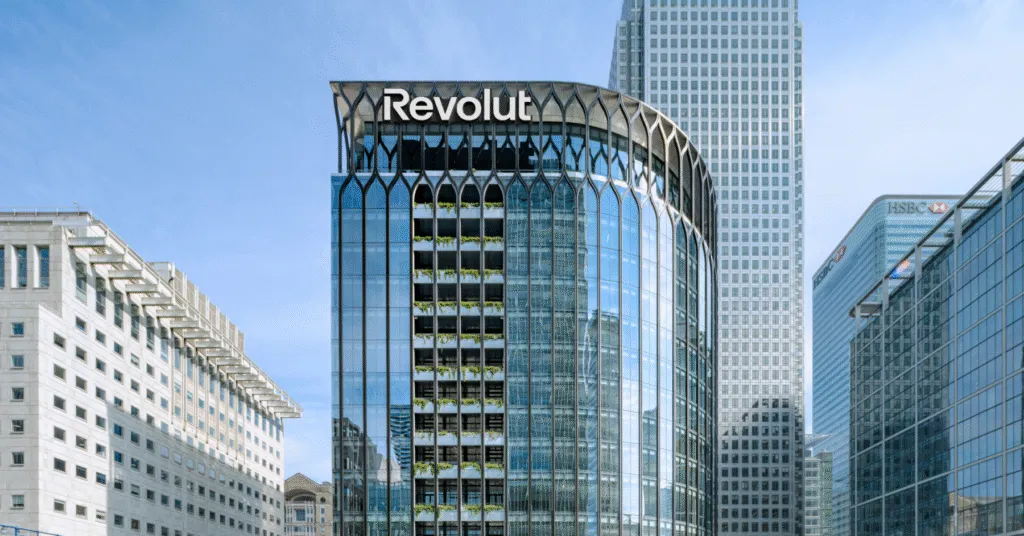
Not a single password fell. What fell was the assumption that a request from a government domain is automatically a...
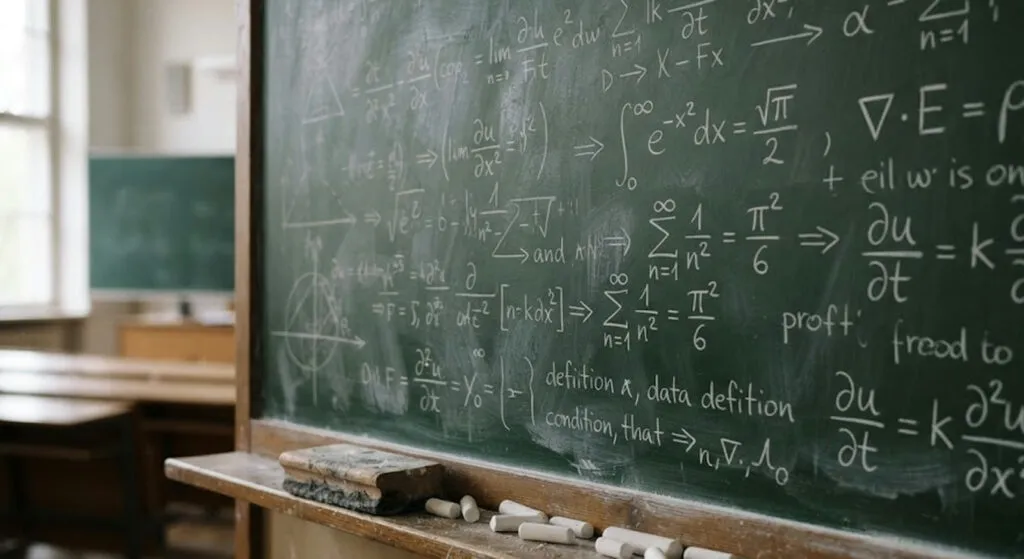
The biggest names in mathematics have signed a letter against the AI labs. The dispute is not whether the machine...

Five campaigns, 200 million exchanges, and the defences fell to a request for a Japanese translation. The industry that harvested...

The hackers were inside for a whole year. The company confirmed it only after a journalist found his own licence...
This site uses cookies - is that okay? Learn more
Be the first to know when Metla launches something new
Leave your email and we will write when there is a new guide or something new on Metla.
