
Шест години лажни категории во возачки дозволи од шалтер во МВР: обвинети шестмина, уште 21 лице под истрага
21.09.2026


21.09.2026

21.09.2026
21.09.2026

21.09.2026

21.09.2026

21.09.2026

21.09.2026

20.09.2026
20.09.2026

21.09.2026

21.09.2026

20.09.2026

21.09.2026

21.09.2026

21.09.2026

21.09.2026

20.09.2026

19.09.2026

21.09.2026

21.09.2026

21.09.2026

21.09.2026

21.09.2026

21.09.2026

09.03.2026

27.02.2026

19.02.2026

20.09.2026

19.09.2026

18.09.2026

23.04.2026

23.04.2026

12.04.2026

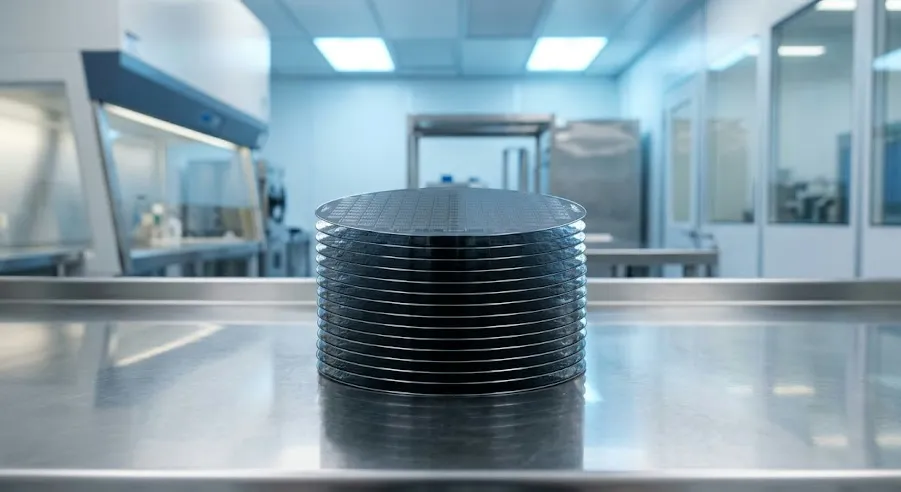
The European Union is preparing a sweeping package of measures to reduce dependence on American digital companies and Chinese semiconductors. The fear? That Washington could one day activate a "kill switch" - a digital mechanism that could take down critical EU infrastructure in the middle of a geopolitical confrontation. The package is being unveiled next Wednesday.
What used to be conspiracy theory in diplomatic economics has, over the past few years, become reality. In February 2025, Washington imposed sanctions on judges of the International Criminal Court. As a result, one judge lost access to her Visa card - because the American payment system had control. That is not a thriller scenario. That is the application of an existing infrastructure lever, against an individual, in less than 48 hours. The same lever, in theory, can be applied to entire institutions, entire state apparatuses, entire countries.
The package contains three initiatives: a Cloud and AI Development Act to accelerate the build-out of data centres in Europe, a Chips Act for security of semiconductor supply, and an initiative encouraging the public sector to use open source solutions instead of commercial American ones. As a whole, this is the biggest digital sovereignty package the EU has put forward in the last decade.
Teresa Ribera, the EU's competition commissioner, has said it out loud: "We have to develop our own capacities." Europe, she added, cannot allow outside influence over its own decisions, values and economic services. That is rhetoric that would have been considered anti-American five years ago; today, it is a reality accepted even by the most Atlanticist-leaning ministers in Brussels.
Who is not happy? The Americans. Andrew Puzder, the US special envoy, immediately warned that "Europe will not be able to participate in the AI economy if it shuts the others out". Translation: if you close the doors on our companies, we will close our technologies to you. That is a game in which the winner is not the one with the better ideas, but the one who can hold out without the other for longer.
For the Balkan countries - not yet EU members but critically dependent on US and Chinese digital platforms - this is a direct signal. If the European digital architecture is being reshaped, every country that wants into the EU will have to keep up. Without an alternative to the US/Chinese cloud, without an alternative to US/Chinese chips, without an alternative to US/Chinese operating systems in hospitals, ministries, banks. That is the hidden cost of the next decade of European integration - and it is the hidden cost no one on the Balkans is yet saying out loud.
The latest 10 news from this category
Три опции на масата во Вашингтон - воен притисок, економско давење или договор - а претседателот ја опишува дилемата како...
Партијата на Аденауер и Кол се лизна до изборниот праг во Мекленбург, АфД веќе бара оставка од канцеларот, а Мерц...
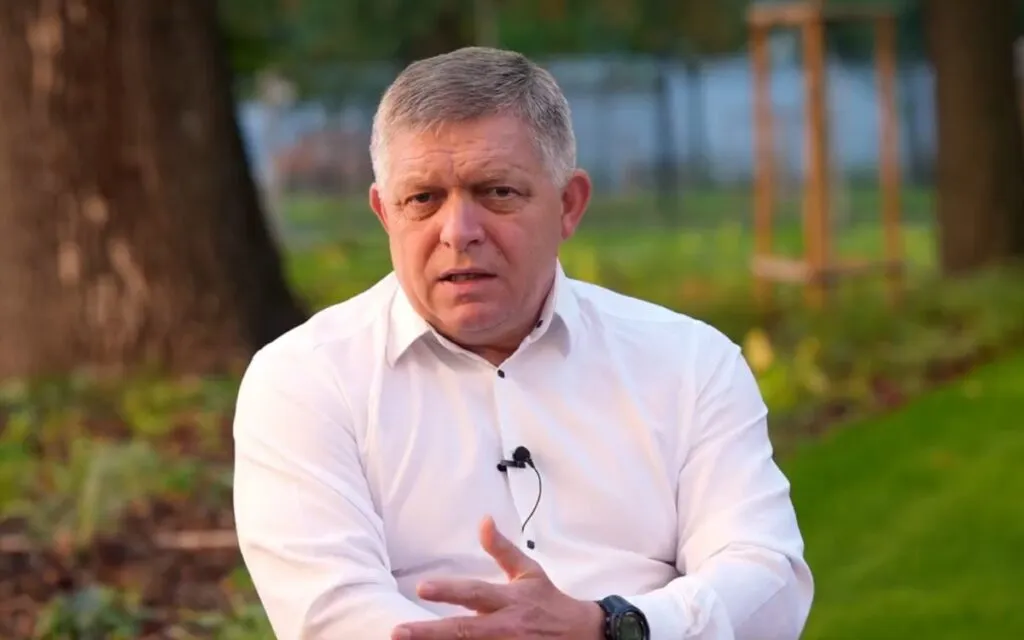
Two prime ministers in the same Union, the same month, completely opposite diagnoses of who is provoking whom. There is...

A broken aircraft in a field usually ends up in a police note. This one ended up with federal investigators,...

Beijing will easily find another supplier. The harder question is what Washington is actually testing: whether private Chinese companies will...

The law lets Washington hit the five biggest buyers of Russian oil with tariffs of up to 100 per cent....
Measures imposed over the war in Ukraine are now being offered as currency in an entirely different dispute. If the...

A smaller dose and more needles does not mean a safer vaccine, it means an ineffective one. Science has had...
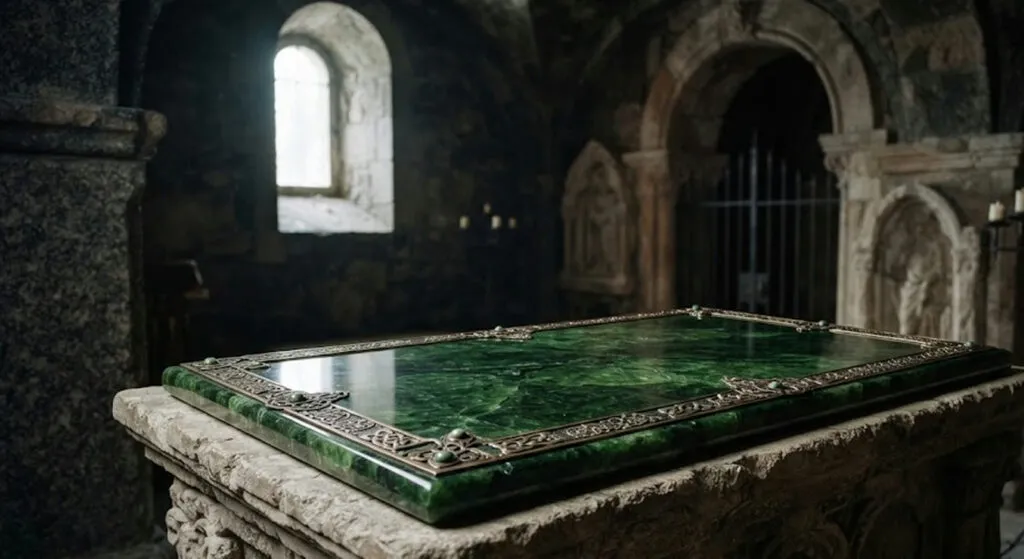
Harald designed the sarcophagus himself, and it is shaped like a ship. The stone is 400 million years old and...

Von der Leyen proposed a status that does not exist in European law, the Canadians distanced themselves, and Washington announced...
This site uses cookies - is that okay? Learn more
Be the first to know when Metla launches something new
Leave your email and we will write when there is a new guide or something new on Metla.