Six Years of Fake Licence Categories Issued From an Interior Ministry Desk: Six Charged, 21 More Under Investigation
21.09.2026


21.09.2026

21.09.2026
21.09.2026

21.09.2026

21.09.2026

21.09.2026

21.09.2026

20.09.2026

20.09.2026

21.09.2026

21.09.2026

20.09.2026

21.09.2026

21.09.2026

21.09.2026

21.09.2026

20.09.2026

19.09.2026

21.09.2026

21.09.2026

21.09.2026
21.09.2026

21.09.2026

21.09.2026

09.03.2026

27.02.2026

19.02.2026

21.09.2026

21.09.2026
20.09.2026

23.04.2026

23.04.2026

12.04.2026


An eighteen-year-old in a Stockholm suburb shoots a student walking home from a shift at a fast food restaurant. He kills her. Wrong person. He had nothing against her, and did not know who the actual target was supposed to be. He was working on commission, for money he never saw.
That is the operating model of the Foxtrot network, an organised crime group linked to the Iranian regime and credited with around 35 killings since 2022. The house speciality is called "violence as a service". The client orders, the network delivers, and the executioner is a teenager recruited through social media.
Recruitment as a video game
According to the GRIMM task force, set up by Europol specifically for this phenomenon, the whole process is designed to feel like a game. Aliases instead of names. Level by level. A handler who sends you a map and a video showing where in the forest the weapon is buried, then footage of a cash stash in a bush. One participant in a British case used a nickname lifted straight from the "Hitman" game series.
Europol's Andy Kraag calls it the systematic recruitment of vulnerable young people to carry out killings. Eleven countries are already in the GRIMM group: Belgium, Denmark, Finland, France, Germany, Iceland, the Netherlands, Norway, Spain, Sweden and the United Kingdom. This is not a local Swedish problem that will stay north of the Alps.
The Norwegian who did not know who he was supposed to kill
The clearest picture of how the system works is the case of a Norwegian teenager, son of two journalists, who ended up in a rehab facility after drug problems and psychosis. There he met another young man who offered him work over the internet: a killing in England for around 25,000 euros. The order came from a sixteen-year-old nicknamed "The General".
The organisation was flawless. A one-way ticket to Manchester, help with an emergency passport, guidance through every stage via an encrypted messaging app, handover to a logistics coordinator. When the young man checked into a hotel with the weapon, he received a message: "Tomorrow we have a lot of work." The next day he was arrested. They never told him who he was supposed to kill. Investigators still do not know whether the target came from the criminal underworld or was a politically motivated commission.
Disposable material
The accounting logic is the most cynical part. Swedish investigative journalist Diamant Salihu, who has studied the network for three years, says Foxtrot does not care at all whether the boys get caught. On the contrary. "Once you arrest them, they cannot chase the money they were promised, and we have not seen a single case of these young killers receiving anything," he says. They recruit ever younger precisely because the younger ones do not think about consequences and take risks more easily.
That means getting caught is not a fault in the system. It is part of the business plan. The boy goes to prison, the client pays nothing, and the network posts a new advert.
Where all this is heading
Foxtrot's leader, Rawa Majid, fled Sweden, then Turkey, and is now in Tehran. Police believe some of the attacks were carried out for the Iranian regime, among them a grenade attack on the Israeli embassy in Copenhagen. Salihu says the links to Tehran began after Majid fled there and had to strike a deal in order to live freely.
In 15 months, the GRIMM group has made over 280 arrests. The key suspect was caught in Sulaymaniyah in Iraq and a decision on his extradition to Sweden is pending. But Majid is out of reach while he is in Iran, and rival networks are already copying the method.
And here is the part that concerns us directly. This is not a technology that requires infrastructure. It needs an encrypted messaging app, a 16-year-old with a phone and no prospects, and somebody who knows what his desire to be somebody is worth. The Balkans have plenty of both. The question is not whether the method will reach the region, but who here is even following this subject before it does.
The latest 10 news from this category

Three options on the table in Washington - military pressure, economic strangulation or a deal - and the president frames...

The party of Adenauer and Kohl slid to the electoral threshold in Mecklenburg, the AfD is already demanding the chancellor's...
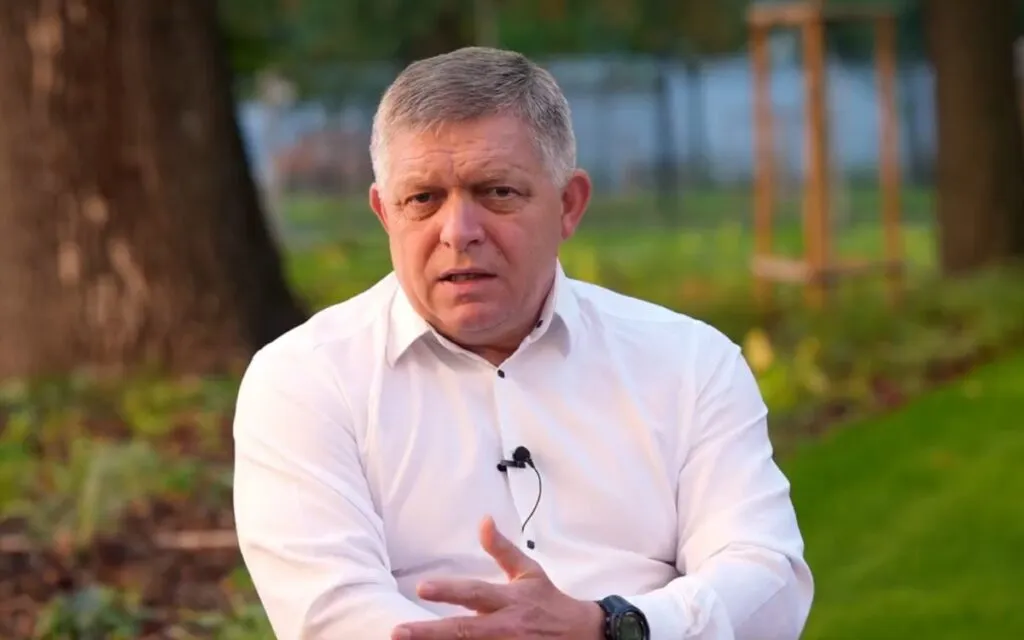
Two prime ministers in the same Union, the same month, completely opposite diagnoses of who is provoking whom. There is...
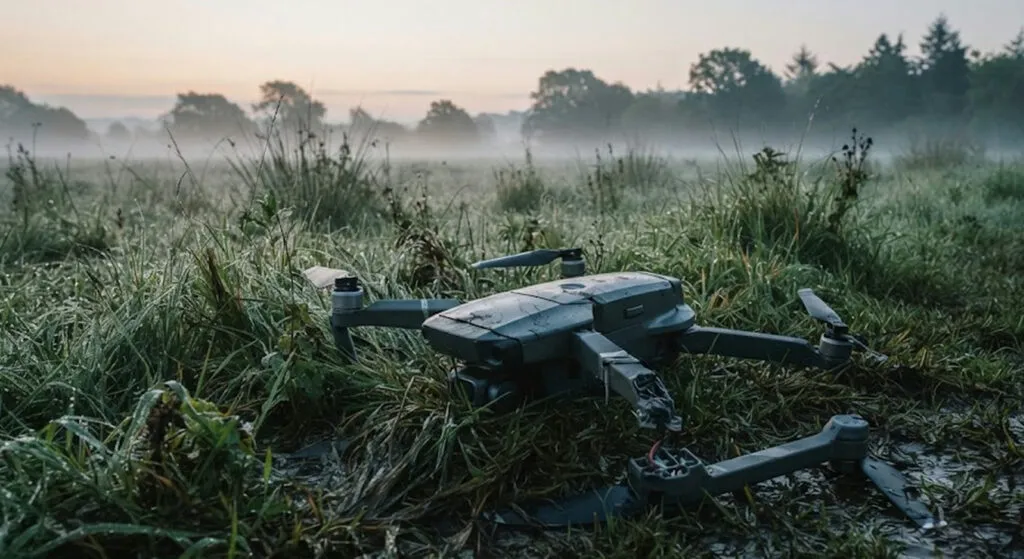
A broken aircraft in a field usually ends up in a police note. This one ended up with federal investigators,...

Beijing will easily find another supplier. The harder question is what Washington is actually testing: whether private Chinese companies will...

The law lets Washington hit the five biggest buyers of Russian oil with tariffs of up to 100 per cent....
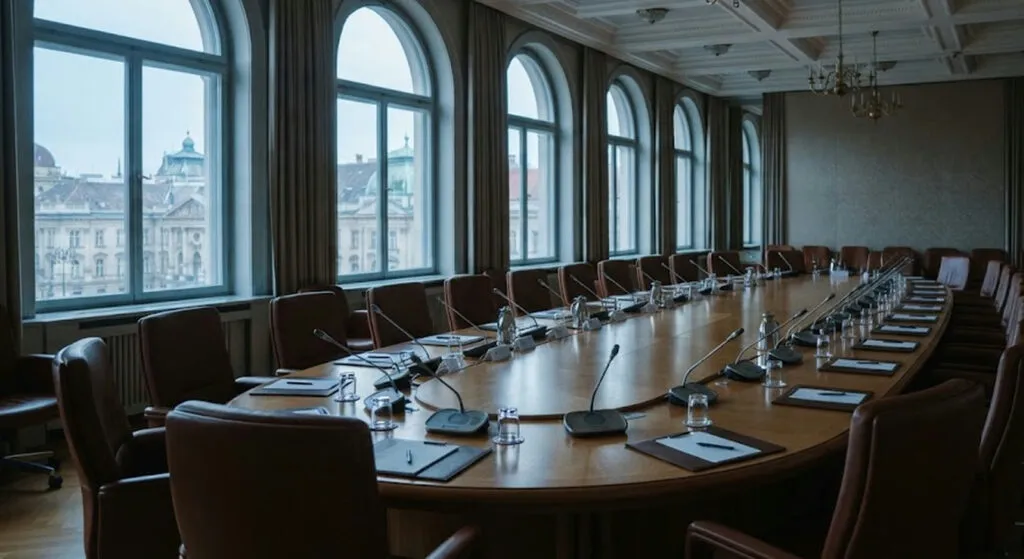
Measures imposed over the war in Ukraine are now being offered as currency in an entirely different dispute. If the...

A smaller dose and more needles does not mean a safer vaccine, it means an ineffective one. Science has had...

Harald designed the sarcophagus himself, and it is shaped like a ship. The stone is 400 million years old and...

Von der Leyen proposed a status that does not exist in European law, the Canadians distanced themselves, and Washington announced...
This site uses cookies - is that okay? Learn more
Be the first to know when Metla launches something new
Leave your email and we will write when there is a new guide or something new on Metla.