Smugglers Dragged a Police Officer With Their Vehicle at Blace: the Second Car Is What Tells You This Wasn't an Accident
14.09.2026


14.09.2026
14.09.2026
14.09.2026

14.09.2026
13.09.2026

12.09.2026

14.09.2026
14.09.2026
13.09.2026
14.09.2026

14.09.2026

14.09.2026
14.09.2026
13.09.2026

12.09.2026
14.09.2026

14.09.2026
14.09.2026

14.09.2026

14.09.2026
13.09.2026

09.03.2026

27.02.2026

19.02.2026
14.09.2026
14.09.2026
13.09.2026

23.04.2026

23.04.2026

12.04.2026

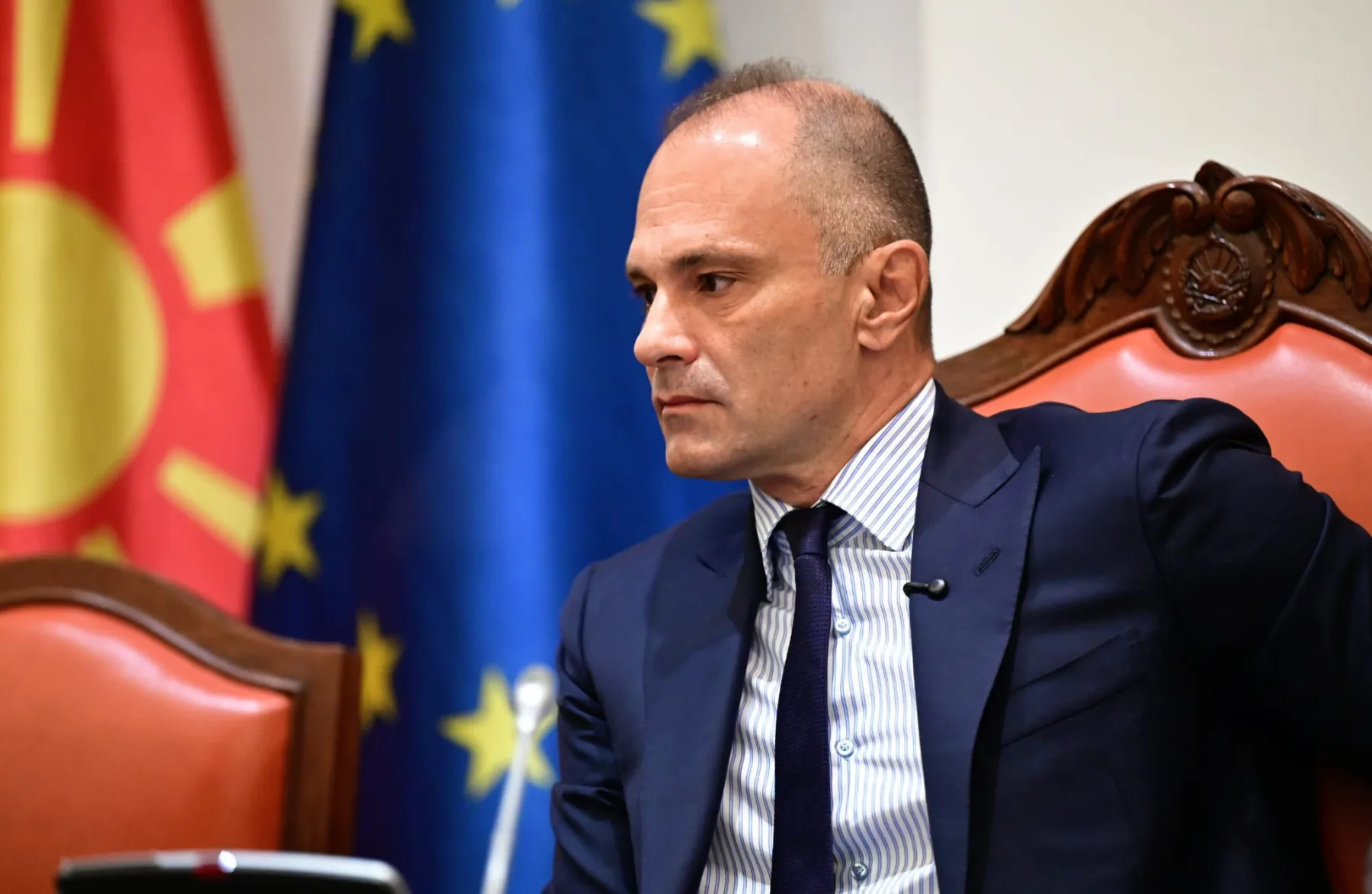
While four countries held intergovernmental conferences the same day and moved forward toward the European Union, Macedonia stood still. It was precisely that image that SDSM leader Venko Filipče used before the National Council for European Integration to give it a name: „the deliberate stalling on the road to the EU is a coup.”
Heavy words - but the fact they rest on is hard to dispute. Macedonia remains the only candidate country without a single open chapter in the negotiations. The same day Skopje was counting zero, Albania, Montenegro, Moldova and Ukraine were holding intergovernmental conferences. When neighbors and countries fighting a war overtake us, the question „who's to blame” is no longer rhetorical.
Filipče also pulled out the latest European Commission reports - on the independence of the judiciary, the rule of law, the fight against corruption, media freedom and Russian influence in the region. These aren't topics the opposition brags about; they're the red marks that keep the train parked in the depot. He also demanded an explanation from ambassador Mihalis Rokas about the consequences of the prolonged stalemate, including access to European funds.
The argument for development is concrete, not patriotic pathos. Membership brings money and structural support that don't come from anywhere else - Bulgaria and Croatia are examples of states transformed precisely through accession funds. The prolonged stalemate, Filipče warns, risks leaving Macedonia outside the Union's next seven-year budget allocation.
Of course, this is an opposition leader's speech, and the share of the burden that belongs to his former government doesn't vanish just because he now sits on the other side. But „coup” is a heavy label that demands a heavy answer. Instead of counter-labels, the only question worth asking is: why, after the resolved dispute with Greece and after NATO, does the train to Brussels still stand motionless - and who will answer for it if it leaves without us?
The latest 10 news from this category
It was supposed to cost "zero denars". Now the opposition wants an investigation, and the timeline - David Guetta announced...
Five negations in one sentence, pension growth "16 times higher" with not a single figure beside it, and a third...
One side waits for a letter, another waits for a different commission, a third waits for consent. In those same...
The commission's chairman says it only checked whether the documents were complete. The public call says something else entirely -...
Three candidates, two of them lawyers, one of them employed by the very municipality he is running for. The line...
People are sitting in prison on the basis of verdicts that no longer exist, because the written reasoning has not...

The government says the celebration cost citizens nothing from the budget. But the chairman of the committee that assessed the...
The government tasked the Lottery on 28 April, two days later a call went out with a five-day deadline, and...
The opposition estimates at least a million euros for David Guetta's set alone and up to five million in total....
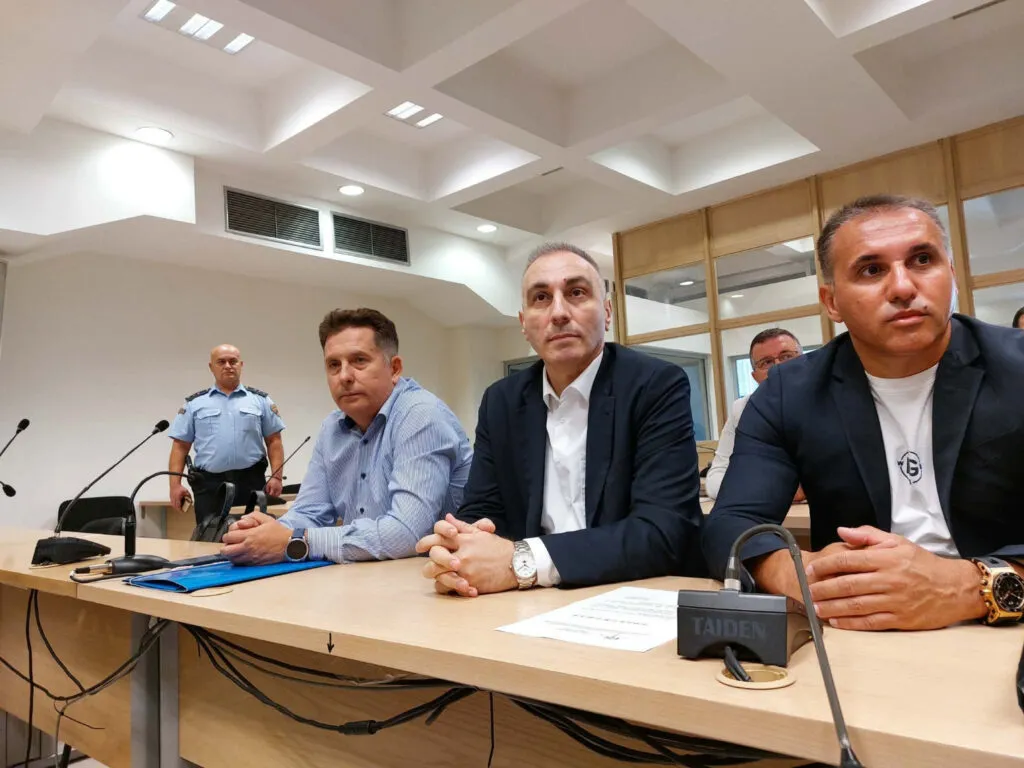
In court, Grubi said a short "No". The prosecution raised the damage by one and a half million euros -...
This site uses cookies - is that okay? Learn more
Be the first to know when Metla launches something new
Leave your email and we will write when there is a new guide or something new on Metla.