A New Criminal Complaint Against Jakimovski: A Building Permit Based on a Plan Struck Down Back in 2018
16.09.2026


16.09.2026
16.09.2026

16.09.2026
16.09.2026
16.09.2026

16.09.2026

16.09.2026
15.09.2026

14.09.2026

16.09.2026

16.09.2026

15.09.2026

16.09.2026

15.09.2026

14.09.2026

16.09.2026

16.09.2026

16.09.2026

16.09.2026

15.09.2026
15.09.2026

09.03.2026

27.02.2026

19.02.2026
16.09.2026

15.09.2026

14.09.2026

23.04.2026

23.04.2026

12.04.2026

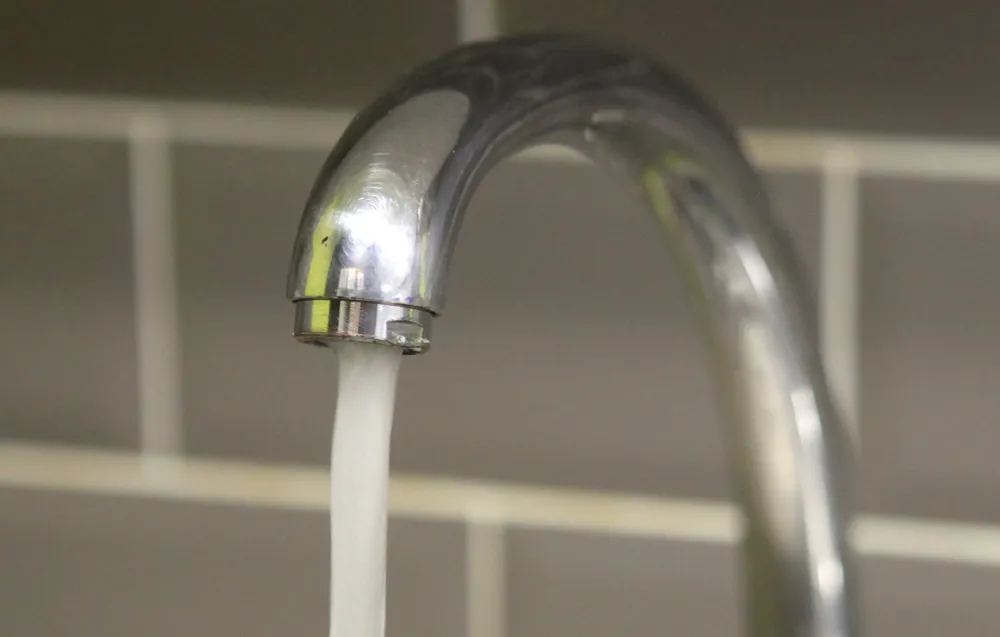
Four thousand three hundred and seventy-four. That is how many patients in Gostivar have sought medical help since 14 July, after the water from the city supply became unsafe. The worst day was 18 July - 649 cases in twenty-four hours. Today, more than two weeks later, the water still must not be drunk or used to prepare fresh food.
Yesterday alone, 73 patients were examined in public health facilities. The „Dr Ferid Murad” General Hospital logged 45 new examinations - 26 in the infectious diseases ward, including two new hospitalisations, and 18 in paediatrics. The Health Centre handled another 28 in its on-call service.
The rule of three analyses
Health Minister Sasho Klekovski explained how the ban gets lifted: samples are taken every day from at least nine user points, and the water system will only be brought back into use once three consecutive analyses come back clean. Only then can the Food and Veterinary Agency withdraw the ban.
„There can be one test that isn't up to standard, and then you need three new tests again, three new days. It really is thankless to predict what will happen and how,” he said after visiting the Clinical Hospital in Shtip.
So the mechanism is clear and it is correct. One bad result resets the count. The people of Gostivar are not waiting on a politician's decision - they are waiting for bacteria to disappear from the network. The question left hanging is how the bacteria got in there in the first place.
Three pumps from an external canal
According to the information so far, the water was contaminated after three pumps drawing from an external canal were put into operation. The director of the public utility company in Gostivar and two of his associates have been detained in connection with the case.
Prime Minister Hristijan Mickoski said the problem arose from a new bacterium in the distribution network, due to long-unused installations, and that hyperchlorination is being applied.
The two explanations do not cancel each other out, but they are not the same thing either. One says somebody made a decision to let in water from an external canal. The other says the network was in such a state that chlorine no longer helped. If both are true, then this is not an incident - it is ageing infrastructure to which someone added the final move.
The number that will be forgotten
Once the ban is lifted, the news will report it as relief. The water runs, life goes on. But 4,374 examinations are not a scanner readout - they are 4,374 times a person went to a doctor with stomach problems because they drank water from their own tap.
Three people have been detained. The network stays the same. Who will answer for the state of the installations that made this whole story possible?
The latest 10 news from this category

The World Bank dropped out over misalignment with EU requirements. Construction will take two and a half years, and the...
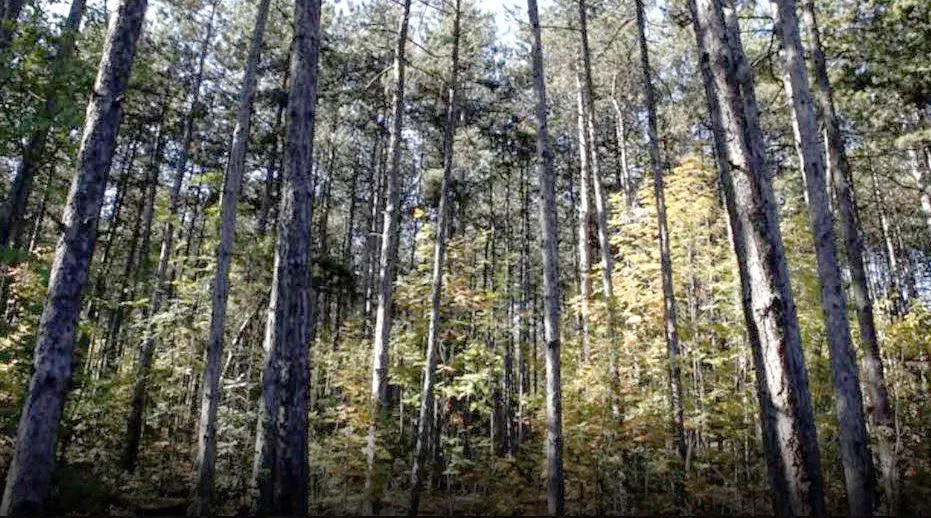
Of 9,500 square metres of greenery, 268 remain. Terrain with an 80-metre height difference, no erosion study and no opinion...

Gjorgjievski says the system should be ready by the middle of next year. The BRT tender is announced for the...
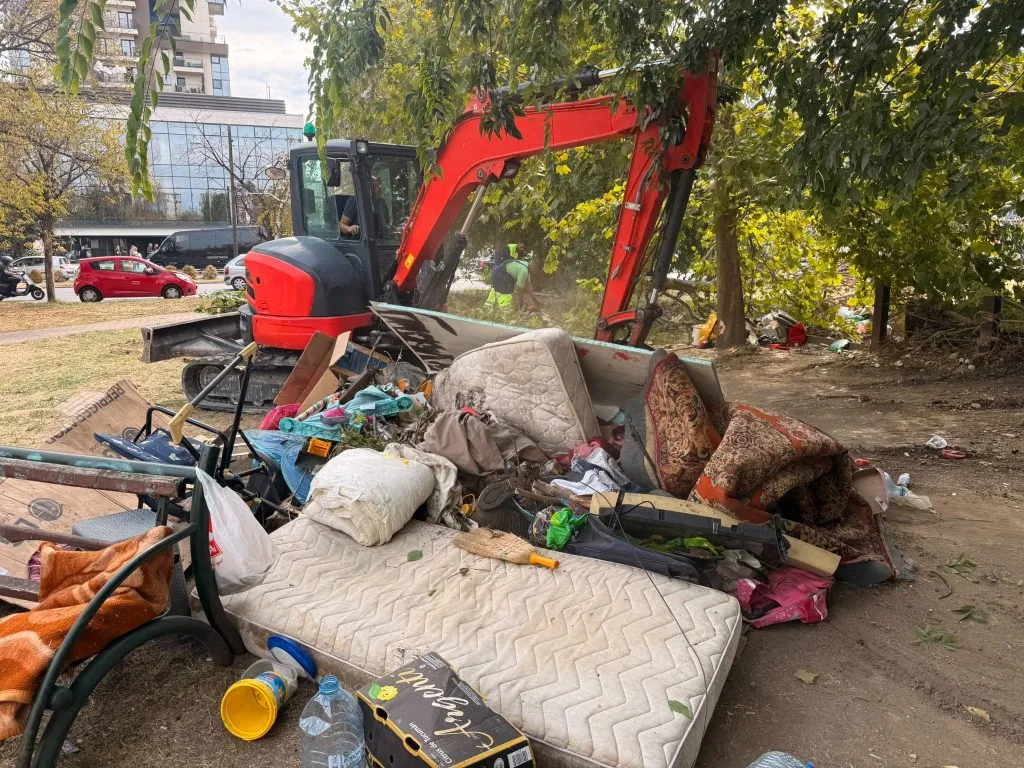
The second operation at the same site within a year. Gerasimovski himself is appealing to the Labour Ministry - because...
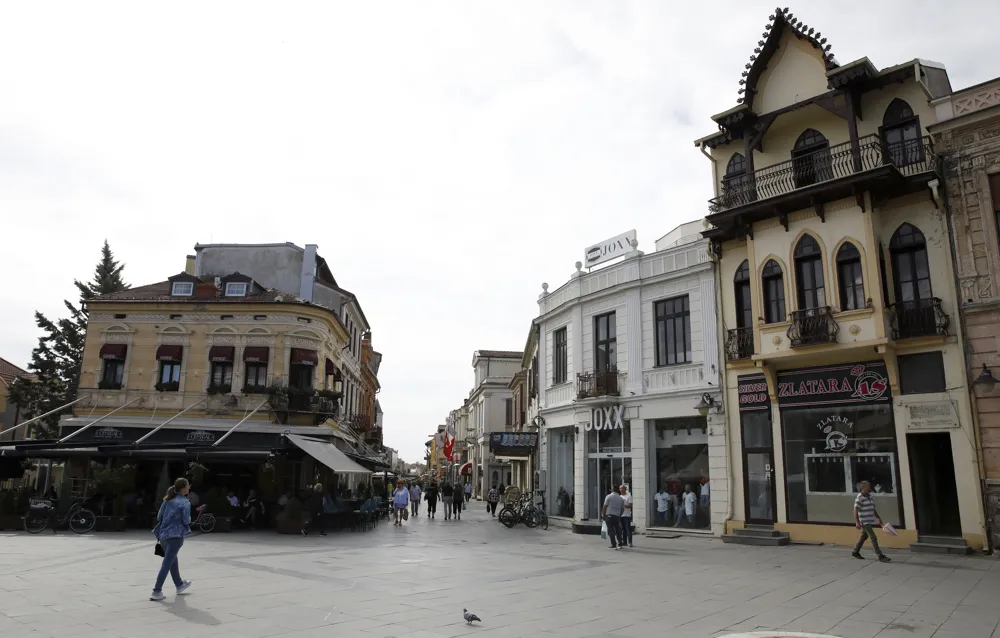
A prosumer scheme, a solar oven and electricity generated by bicycle on Magnolija square. The city that has paid the...
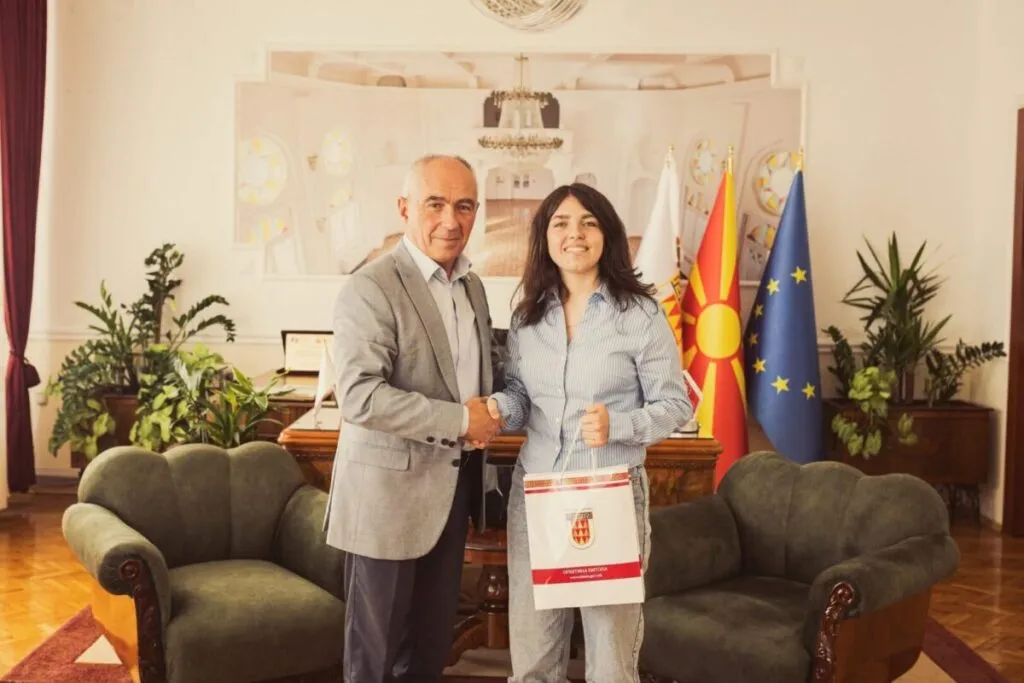
Stefanija Dimovska won two medals at IESO 2026, working in mixed international teams. Before that she was also national champion...
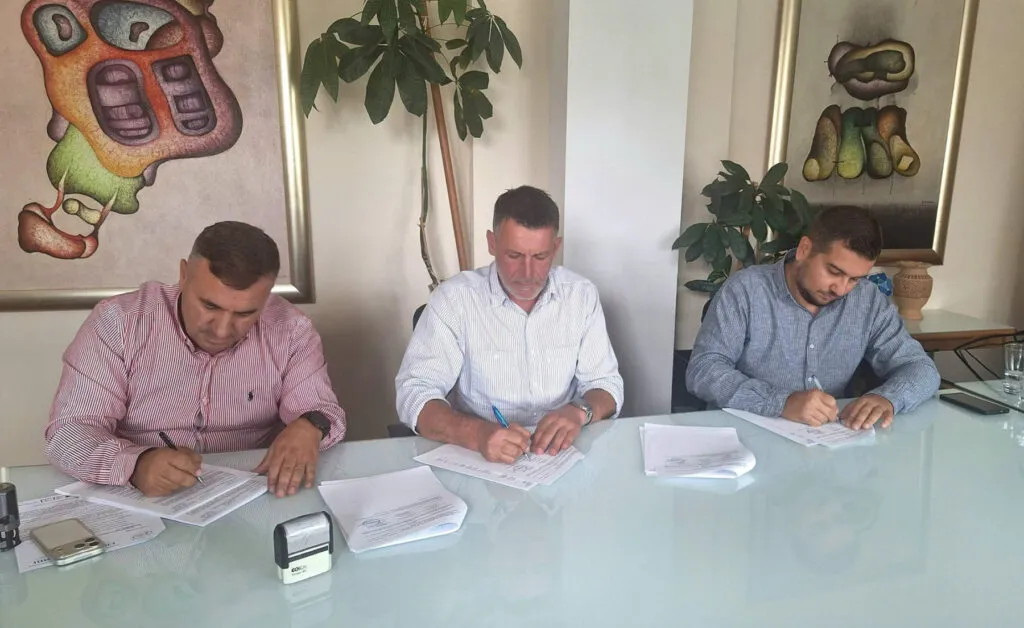
Out of nearly 4.7 million denars, the municipality is putting in around 180,000. The rest comes through the Bureau for...

Ten years working inside the health system - and she still had to pull strings to be admitted. The clinic...
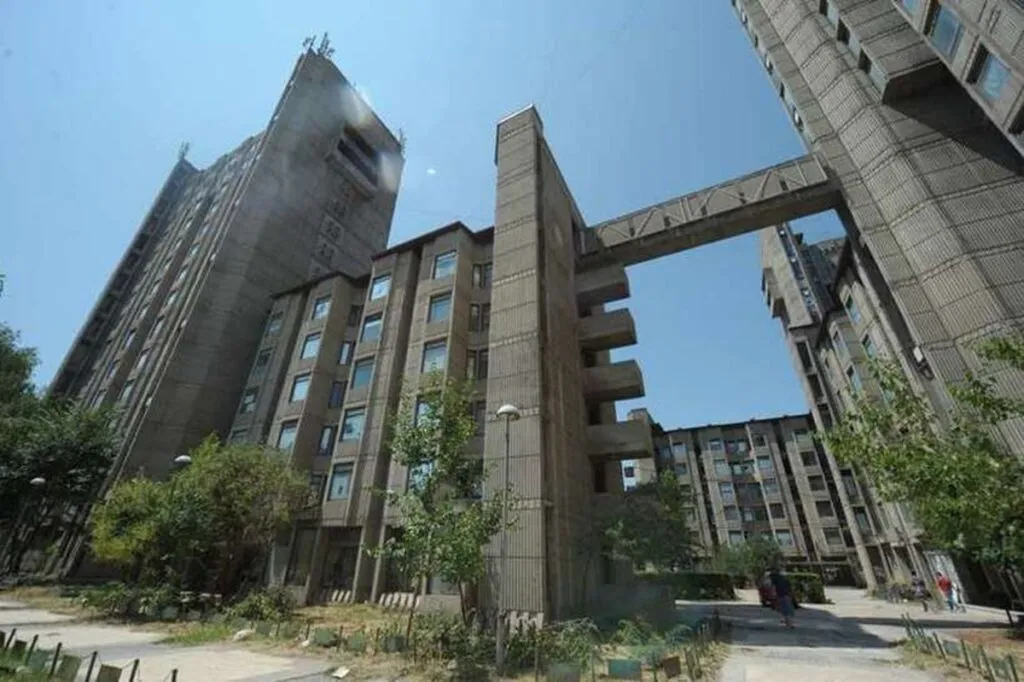
Appeals run from 15 to 25 September. There is not enough space at Goce Delčev, so students go to Stiv...
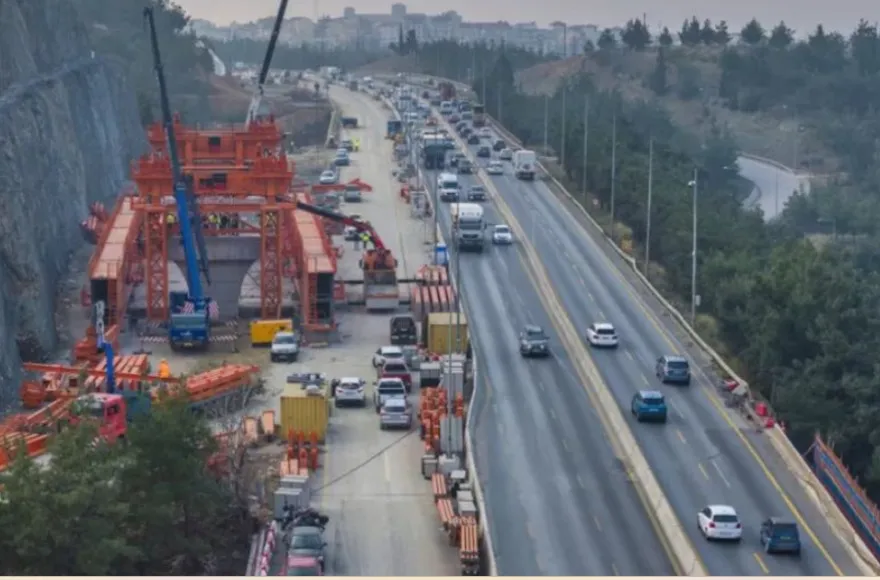
From 23:00 to 05:00 there is no getting through towards Evzoni. Towards Halkidiki - business as usual. Those heading on...
This site uses cookies - is that okay? Learn more
Be the first to know when Metla launches something new
Leave your email and we will write when there is a new guide or something new on Metla.