
"That's not my job": the trial of the 13 Puls police officers restarted from scratch, and witnesses describe help being refused
22.09.2026


22.09.2026
22.09.2026

22.09.2026

22.09.2026
22.09.2026

22.09.2026

22.09.2026

21.09.2026

20.09.2026

22.09.2026

22.09.2026

21.09.2026

22.09.2026

22.09.2026

22.09.2026

22.09.2026

21.09.2026

20.09.2026

22.09.2026

22.09.2026

22.09.2026
22.09.2026

22.09.2026

22.09.2026

09.03.2026

27.02.2026

19.02.2026

22.09.2026

21.09.2026

21.09.2026

23.04.2026

23.04.2026

12.04.2026

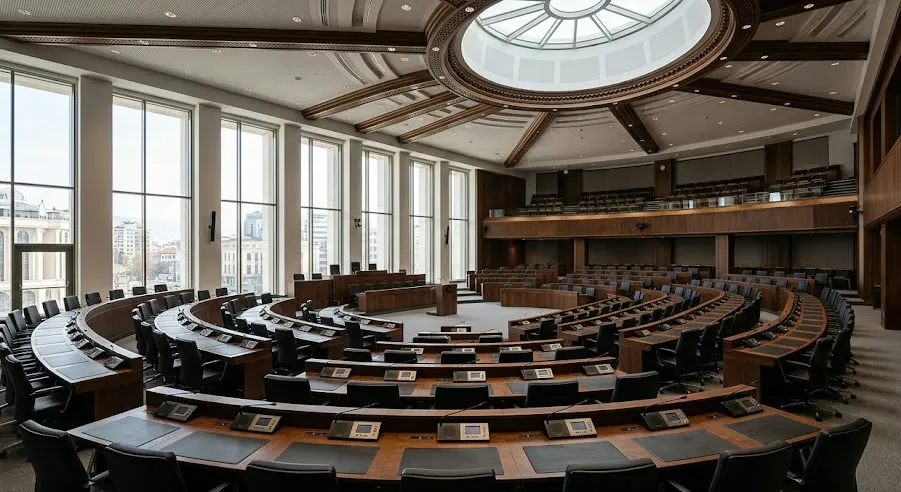
Hungary is back inside the International Criminal Court in The Hague - and by a clear parliamentary vote. 133 MPs voted to stop the exit process started by former Prime Minister Viktor Orban in 2025, against 37 who voted in favour of leaving, and 5 abstaining. Prime Minister Peter Magyar submitted the motion to halt the withdrawal, and there is not much room for interpretation here - it is a strategic strike against everything Orban has built over the last 15 years.
Orban kicked off the process with the argument that the court had "gone from an impartial institution to a political body" - in other words, that the court had been issuing arrest warrants that ran against his foreign policy. Specifically: the arrest warrant for Israeli Prime Minister Benjamin Netanyahu, which Orban refused to execute when Netanyahu visited Budapest. That was when Orban moved to discredit the court and formally started the exit process.
Now, with Magyar in power, the priorities are different. The goal: normalising relations with Brussels and with international legal institutions. Not just for statements - but for concrete budget packages, funds and negotiating leverage that Hungary lost under Orban. Returning to The Hague is symbolically the first step, but it is far more than a symbol.
For the Balkans, this is a significant signal. Several countries in the region looked at Hungary as a model for relations with The Hague in their own situations ("we ignore the court when it bothers us, we ask for its support in our cases"). That model is now dissolving. Which means: the new frame for the region will be "cooperation by the rules" - not "selective compliance". Is everyone ready for that?
The latest 10 news from this category

Washington, Copenhagen and Nuuk are signing off on a military presence on an island of 56,000 people - and the...

Phones in Krāslava rang by themselves, the fighters took off, and what exactly triggered the alert - nobody is saying....
In Mecklenburg the CDU finished on 4.9 percent and, for the first time in the history of the Federal Republic,...

Tisza took 16 years of power off Fidesz and won 141 of 199 parliamentary seats. Orbán now says Brussels is...
With 75 percent of protocols counted, the governing party leads in 208 of the 225 single-mandate districts. A parliament of...

He never sat on the throne, and the emirate is lowering its flags for ten days. Sometimes the surname says...

Three options on the table in Washington - military pressure, economic strangulation or a deal - and the president frames...
The party of Adenauer and Kohl slid to the electoral threshold in Mecklenburg, the AfD is already demanding the chancellor's...
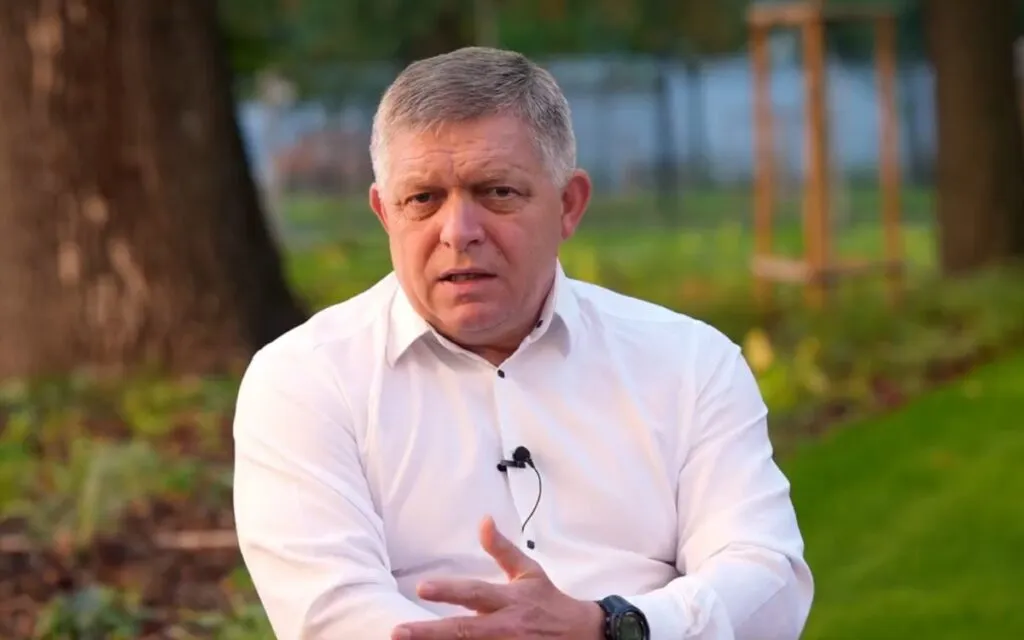
Two prime ministers in the same Union, the same month, completely opposite diagnoses of who is provoking whom. There is...

A broken aircraft in a field usually ends up in a police note. This one ended up with federal investigators,...
This site uses cookies - is that okay? Learn more
Be the first to know when Metla launches something new
Leave your email and we will write when there is a new guide or something new on Metla.