Counter-terror raid in Skopje: an ISIS flag and weapons, while official details come "once it's over"
29.09.2026


29.09.2026
29.09.2026
29.09.2026

29.09.2026

29.09.2026
29.09.2026
29.09.2026

28.09.2026

27.09.2026

29.09.2026

29.09.2026

28.09.2026

29.09.2026

29.09.2026

29.09.2026

29.09.2026
28.09.2026
27.09.2026
29.09.2026

29.09.2026

29.09.2026

29.09.2026

29.09.2026
28.09.2026

09.03.2026

27.02.2026

19.02.2026

29.09.2026
28.09.2026

27.09.2026

23.04.2026

23.04.2026

12.04.2026

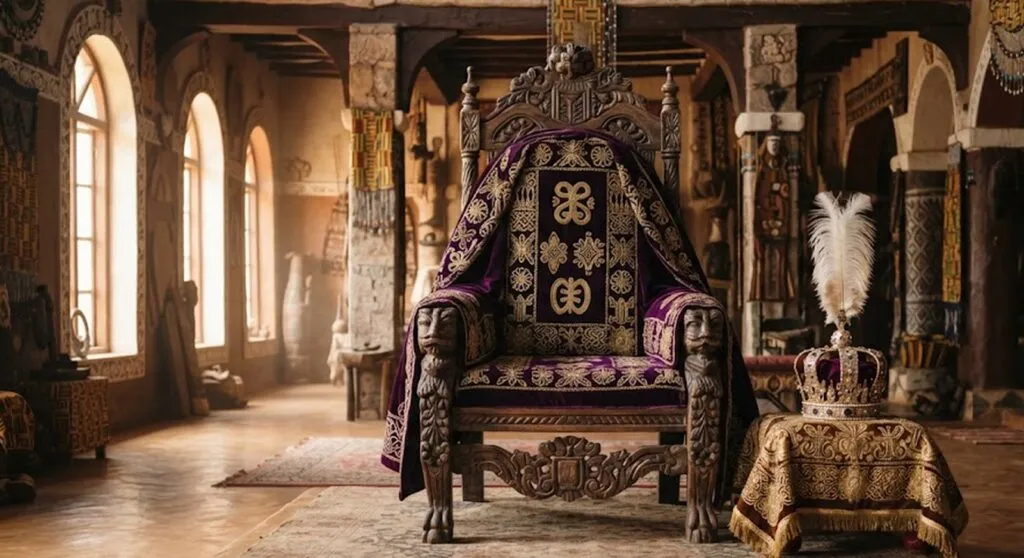
When Oyo Nyimba Kabamba Iguru Rukidi IV took the throne of the kingdom of Toro, the world remembered him as the youngest monarch on the planet. He reigned for three decades. In August this year, Uganda's government announced he had died - at 34, of cancer, in circumstances shrouded in mystery. No wife, no visible heir. At least, that's how it looked at first glance.
Then the will spoke. According to custom in the country, the king named his heir in secret, and the document, the family says, states in black and white that the throne should go to his own son. The problem is that the leaders of the Babiito clan had another plan - and that plan proved faster than the dead man's wishes.
From the TV studio to the throne
The succession committee chose Edward Rukidi - a well-known journalist and TV presenter, a face audiences knew from the small screen rather than from royal portraits. He is the son of the late Prince Christopher Paul and a grandson of King George Rukidi III, which makes him a cousin of the late king. The choice has historical justification in the bloodline. The proclamation is scheduled for today, Tuesday, September 29.
The country is decorating for the new king, but one woman is spoiling the ceremony: Oyo's mother. She insists that her son left a direct heir, named by him personally, and that it is that child who should sit on the throne. Not the cousin from television.
The royal family went to the High Court and asked for an injunction that would halt the celebrations and the coronation until the court rules on the main lawsuit. The argument is simple: the king's last will is written down, and someone has to respect it. The clan, for its part, invokes custom. Both sides claim to be defending tradition - they're just each defending a different one.
Here comes the irony. The kingdom of Toro is historically significant, but today it has no political power whatsoever - its role is symbolic and traditional. A war is being fought over a crown that brings no power. Or maybe that is exactly why it's so fierce: when power is only a symbol, the symbol becomes everything.
The Balkans know all too well what family feuds look like over a will someone doesn't want read out loud, and relatives who suddenly remember custom when it works in their favour. In Toro, what's on the table isn't a field or a flat, but a throne. Will the court honour the wishes of the dead king or the rules of the living clan?
The latest 10 news from this category

Prosecutors say he threw someone else's phone into the Danube, and he himself asked to lose his protection. How many...

Seoul says there was an agreement to stay quiet; Kyiv says there wasn't. Caught between them are two captured soldiers...
The Nobel laureate can't get home, and her supporters are driving in convoys demanding an election date. Maduro is gone...
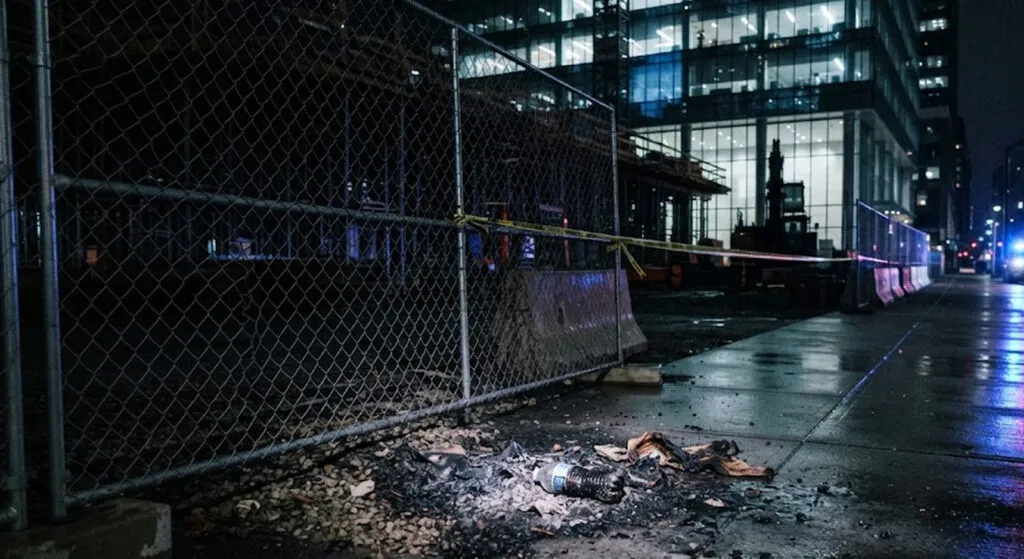
Two of the three incendiary devices ignited, and German services investigating sabotage across Europe are also checking leads to Poland...

One sentence from the White House was enough for the EU energy commissioner to warn of a "very, very bad"...
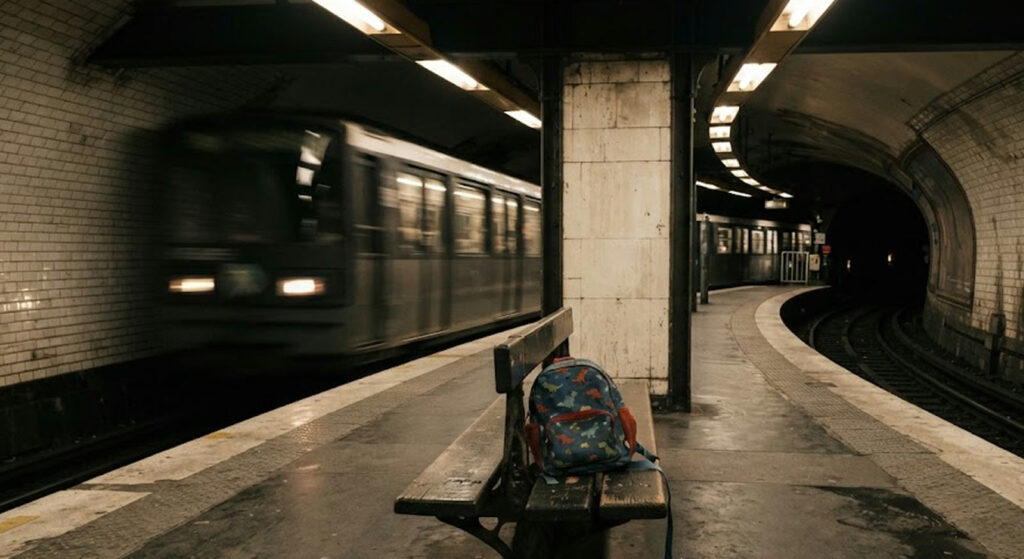
Girls of around ten stole on the metro and at Disneyland, and if they brought back too little, they were...

The American host claims Ukrainians are "hostages" of their president and that the war only goes on thanks to US...

From the UN podium, Zelensky announced that two North Korean prisoners had been transferred to South Korea - and South...
Beijing wants Washington not just to not support Taiwan's independence, but to openly oppose it, while a 14-billion-dollar arms package...
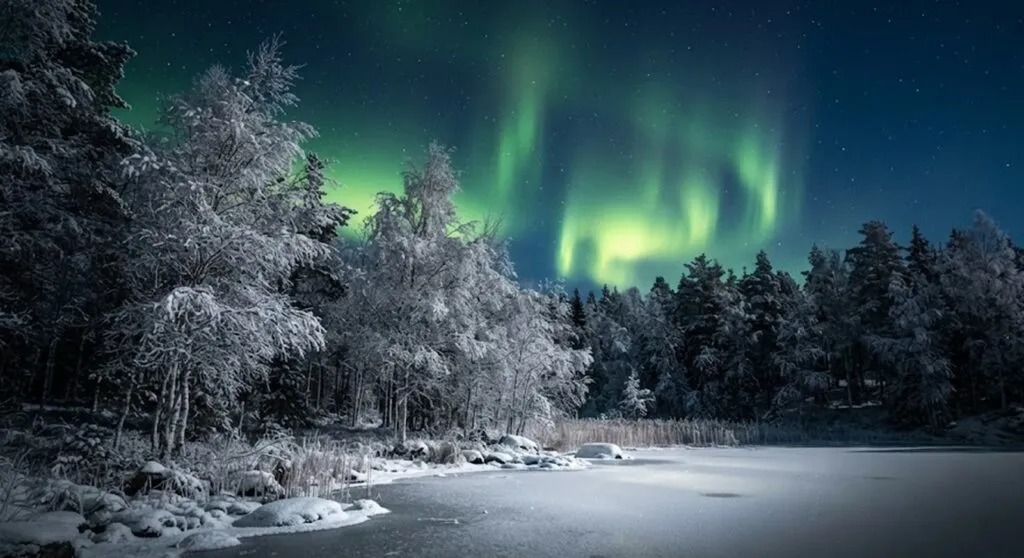
Northern lights and snowy forests for the cameras; an air wing, a brigade and conscripts on the schedule. Felipe and...
This site uses cookies - is that okay? Learn more
Be the first to know when Metla launches something new
Leave your email and we will write when there is a new guide or something new on Metla.