

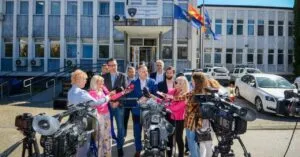
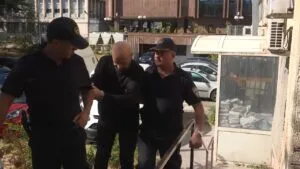
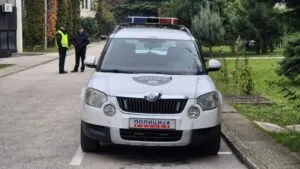
Prilep: 37 searches, a safe deposit box with over 50,000 euros and four police officers under suspicion - how did the "untouchables" last 15 years?
03.10.2026


03.10.2026
03.10.2026
03.10.2026
03.10.2026
03.10.2026
03.10.2026
03.10.2026

02.10.2026
02.10.2026
03.10.2026

03.10.2026

02.10.2026
03.10.2026

03.10.2026
03.10.2026
03.10.2026

02.10.2026

01.10.2026
03.10.2026

03.10.2026
03.10.2026

03.10.2026
02.10.2026

01.10.2026

09.03.2026

27.02.2026

19.02.2026
03.10.2026
02.10.2026

01.10.2026
02.10.2026
22.08.2026
20.08.2026

23.04.2026

23.04.2026

12.04.2026

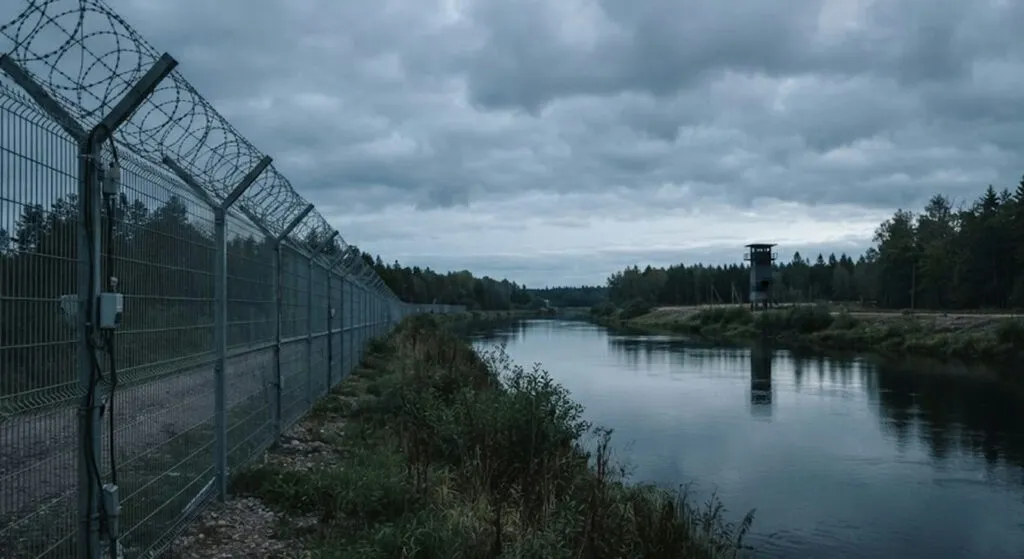
In recent days, messages aimed at the Russian-speaking population of Estonia have been circulating on Russian social networks: take up arms, because otherwise blood may be shed. Claims that the messages have also been put up as posters in the streets have so far not been confirmed by official Estonian sources. They are being spread mainly by Russian Telegram channels.
Then came the photo. At the end of September, the sabotage and assault reconnaissance group "Rusich" posted a picture on its Telegram channel of three armed men in full combat gear, with a short message: "Narva area. 2026." Where the picture was taken wasn't stated. From the post itself it's impossible to tell whether the men were in Estonia, on the Russian side of the border, or somewhere else entirely.
"Rusich" is not some anonymous account. It is a Russian paramilitary formation that has fought in Ukraine, and the US Treasury Department sanctioned it back in 2022, describing it as a neo-Nazi paramilitary group that fought alongside Russian forces. When a group like that writes "Narva, 2026", it isn't a tourist postcard.
Why Narva of all places? The city sits directly opposite Russia's Ivangorod, the two separated only by the Narva river, and a large share of its residents speak Russian. Back in spring, accounts appeared on Telegram, VKontakte and TikTok promoting the idea of Narva and Ida-Viru County breaking away and forming a so-called "Narva People's Republic", complete with a flag, coat of arms, new borders and military symbols, and in some posts with calls for violence and sabotage.
Estonia's Internal Security Service said at the time that it saw no evidence of a real separatist movement on the ground and described the whole phenomenon as an information operation aimed at sowing fear and division in society. Even the authors of the Estonian project "Propastop", who were the first to investigate those accounts in detail, later warned that media attention had become disproportionate to the actual scale of the activity. The biggest success of an operation like this isn't on the ground, but in the headlines that inflate it.
In the same days there was also an incident at sea. Russia's border service stopped the Cyprus-flagged cargo ship "Västerbotten", which was sailing from Sweden to the Estonian port of Sillamäe. The ship was passing through Russian territorial waters, but on a route that merchant vessels are entitled to use under the existing navigation regime, because it is safer for larger ships than the shallow part of Estonian waters. It sat at anchor for several hours, the Russian side did not say the crew had committed any violation, and the ship was then released and continued to Estonia.
So far there is no confirmation that the messages being spread are preparation for real armed action in Narva. But within a few days the Estonian-Russian border is once again the centre of attention - and fear and division are exactly what Estonia's security service described as the goal of operations like these. The Balkans remember this sequence: first new maps and flags on paper, then self-proclaimed republics. So the real question isn't whether the posters really hang on the walls of Narva, but who benefits when enough people believe they do.
The latest 10 news from this category
Washington is considering halting diesel exports a few weeks before the congressional elections, while asking Europe to release its stocks...
For years he presented himself as a family man who loved skiing and long motorbike trips. According to the investigation,...
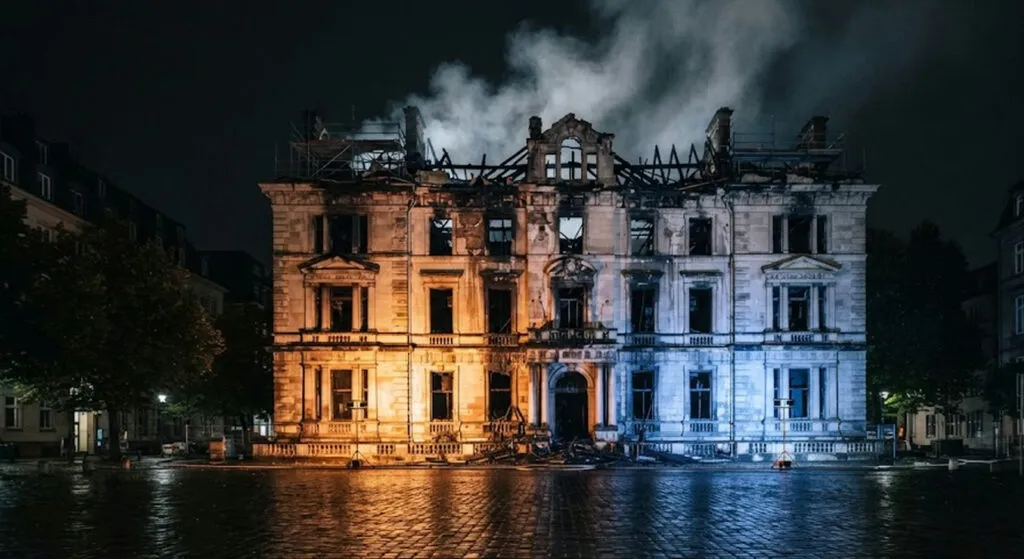
The building was empty and under reconstruction, and the fire spread over around 2,000 square metres. There's no link to...

Some sixty researchers, five volumes and access to the Crown's private archives - for one sentence few royal houses would...
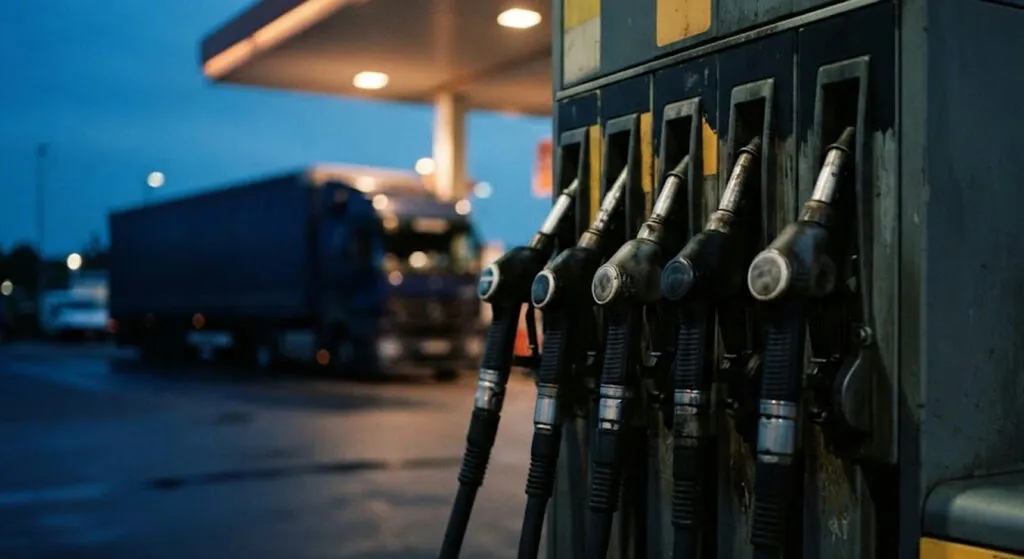
The US exports between 1.2 and 1.5 million barrels of diesel a day, and Washington is thinking of turning off...
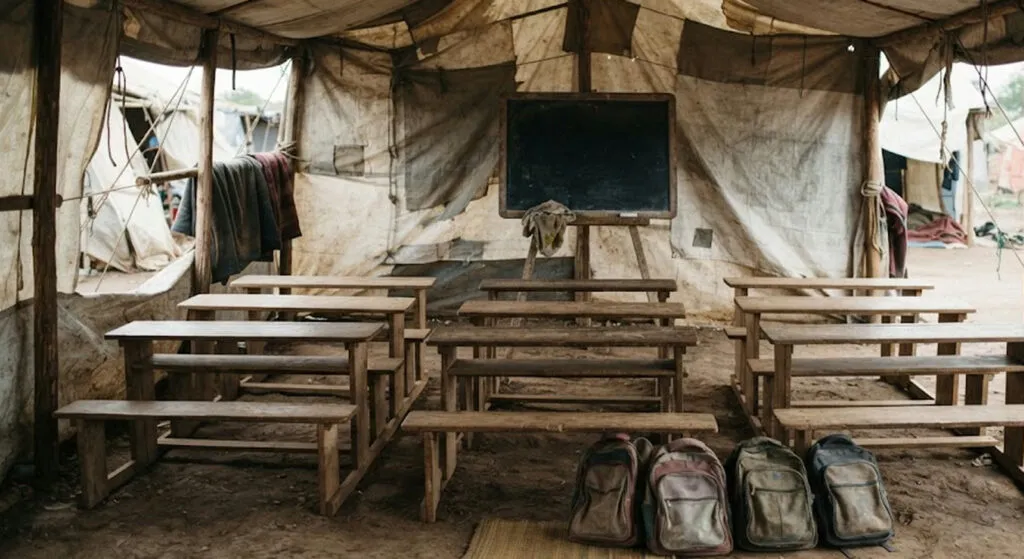
Almost half of the world's refugee children were left without a classroom last year, and major donors - Germany among...
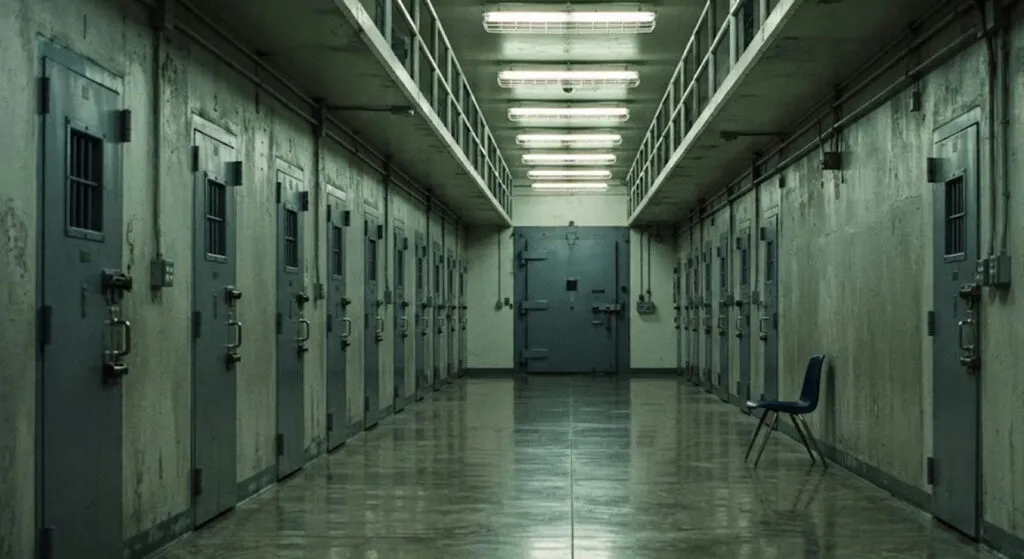
Two doses, a heart that didn't stop beating and a curtain drawn twice. From Macedonia, where there has been no...
Four years in prison for some thirty offences, including two rapes - and his defence announces he's "motivated to work"....
A flight from Dubai with 174 people on board, a knife in the cockpit and a plane suddenly losing altitude....
The state that was preparing to execute a woman for the first time in more than 200 years took the...
This site uses cookies - is that okay? Learn more
Be the first to know when Metla launches something new
Leave your email and we will write when there is a new guide or something new on Metla.