

Prilep: 37 searches, a safe deposit box with over 50,000 euros and four police officers under suspicion - how did the "untouchables" last 15 years?
03.10.2026


03.10.2026

03.10.2026

03.10.2026
03.10.2026

03.10.2026

03.10.2026

03.10.2026

02.10.2026

02.10.2026

03.10.2026

03.10.2026

02.10.2026

03.10.2026

03.10.2026

03.10.2026

03.10.2026

02.10.2026

01.10.2026

03.10.2026

03.10.2026
03.10.2026

03.10.2026
02.10.2026

01.10.2026

09.03.2026

27.02.2026

19.02.2026

03.10.2026

02.10.2026
01.10.2026
02.10.2026
22.08.2026

20.08.2026

23.04.2026

23.04.2026

12.04.2026

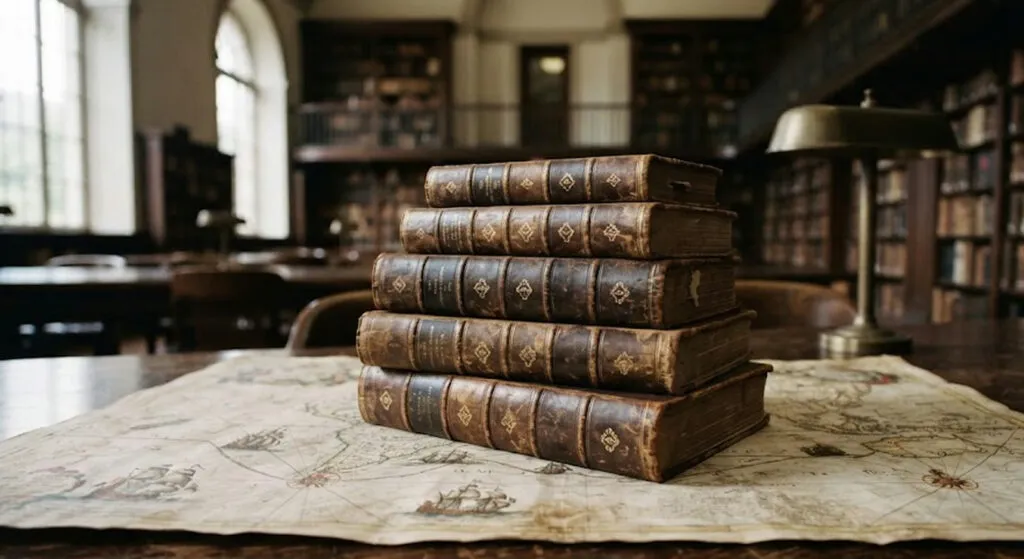
On Friday, 2 October, in the Academy Building of Leiden University, Dutch King Willem-Alexander received something few monarchs would ever commission about themselves: five thick volumes on the role of his own dynasty, the House of Orange-Nassau, in the colonial history of the Netherlands. The lead researcher, Professor Gert Oostindie, handed him the results of the work of around 60 researchers. The king himself had requested the study back in 2022.
The palace insists it kept its distance. The research was led by an independent committee, according to the standards of the Dutch Research Council, and the Royal House, according to the official version, had no substantive involvement in the design, the execution or the wording of the conclusions. The researchers were also given access to the Crown's private archives. That is the detail worth underlining: the family archive of a reigning house, opened to outside eyes.
The conclusion is clear, and the king read it aloud: colonialism and slavery had "the active support of the stadtholders, and later of the kings", including their consent to the suppression of resistance. "Without acknowledging what happened, we cannot move forward," Willem-Alexander said. "I feel a responsibility, towards society and towards the descendants of enslaved people, to bring clarity to the role my family played in colonial history."
Then came the sentence that made the headlines. The king said his ancestors were "children of their time", when such views prevailed both in the Netherlands and across Europe. But he added that this does not lessen the weight of the finding that "dissenting leadership", which could have made a difference, was lacking. "It is a moving and shocking conclusion. A conclusion that touches my soul, even though I belong to three generations later."
This isn't his first apology. Willem-Alexander already apologised for slavery in 2023, on the 150th anniversary of its abolition in the kingdom, and again in 2025, during a visit to Suriname. Commitment to post-colonial communities, as he admitted himself, only began with his grandmother, Queen Juliana, and his mother, Princess Beatrix. In other words - for centuries before that, the crown stood on the wrong side.
"I cannot change the past, but I can, as far as it is in my power, contribute positively to the present and the future," he said. He added that the consequences of colonialism and slavery are still felt in society, and that discrimination and economic exploitation are, sadly, commonplace. Together with Queen Máxima, he promised, he will keep working on "connection, healing and reconciliation".
You could be cynical: an apology from a palace costs little, and not a single volume gives anything back to the descendants of the enslaved. But the order of things deserves attention. First independent scholarship, then opened family archives, and only then a word from the crown. How many institutions in the Balkans, royal or republican, would dare to put their own past through the same test?
The latest 10 news from this category

Washington is considering halting diesel exports a few weeks before the congressional elections, while asking Europe to release its stocks...

For years he presented himself as a family man who loved skiing and long motorbike trips. According to the investigation,...
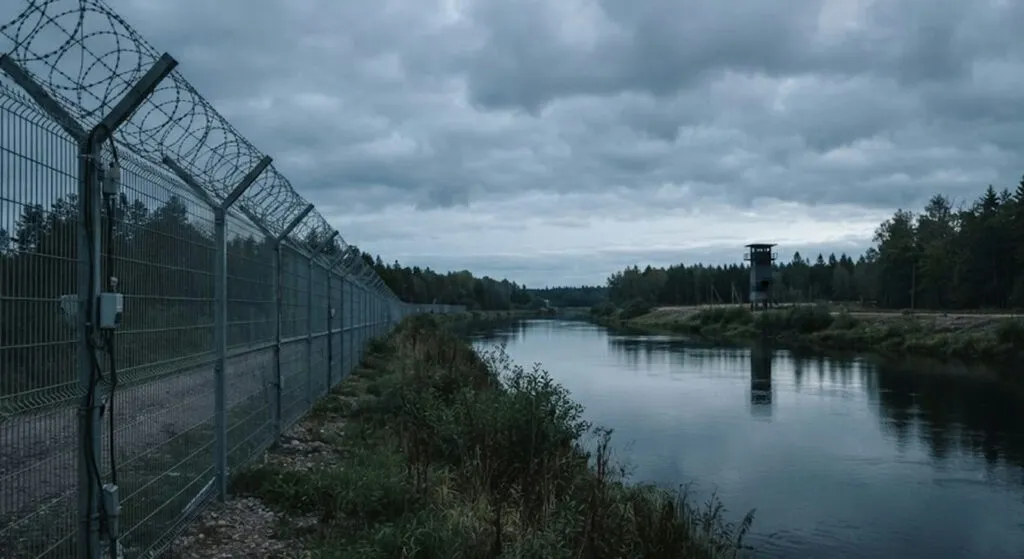
Posters no one has officially confirmed, a photo captioned "Narva area. 2026" and a ship stopped in the Gulf of...

The building was empty and under reconstruction, and the fire spread over around 2,000 square metres. There's no link to...

The US exports between 1.2 and 1.5 million barrels of diesel a day, and Washington is thinking of turning off...
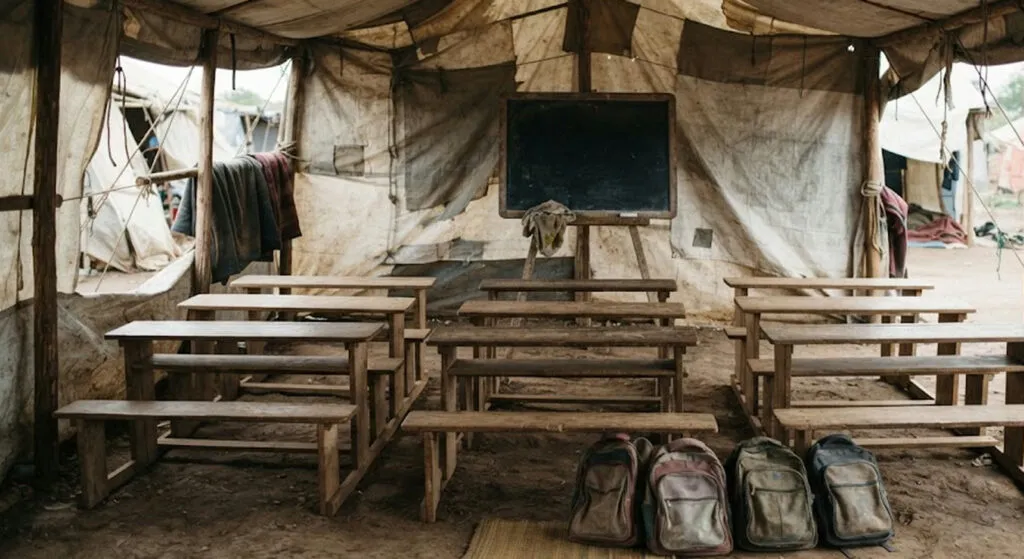
Almost half of the world's refugee children were left without a classroom last year, and major donors - Germany among...
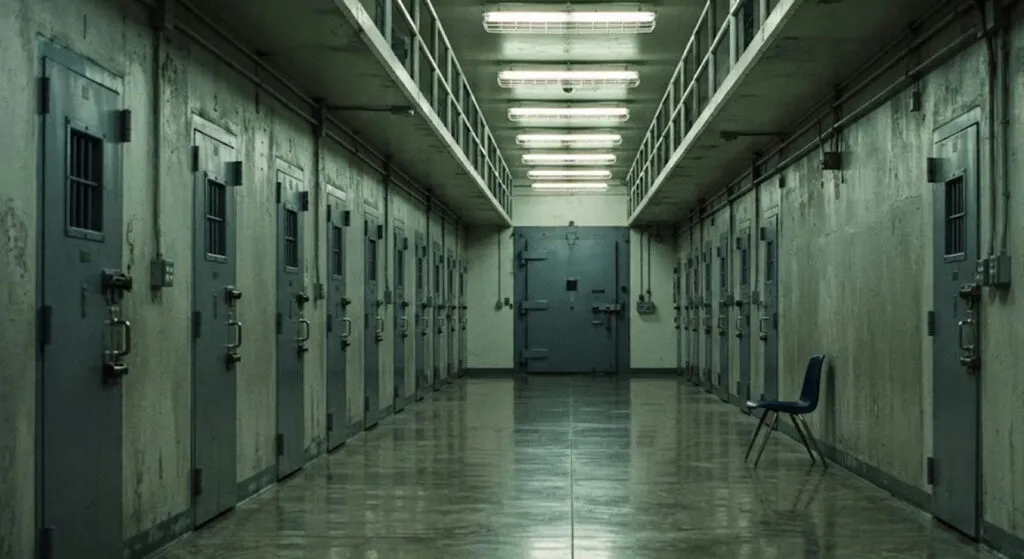
Two doses, a heart that didn't stop beating and a curtain drawn twice. From Macedonia, where there has been no...

Four years in prison for some thirty offences, including two rapes - and his defence announces he's "motivated to work"....
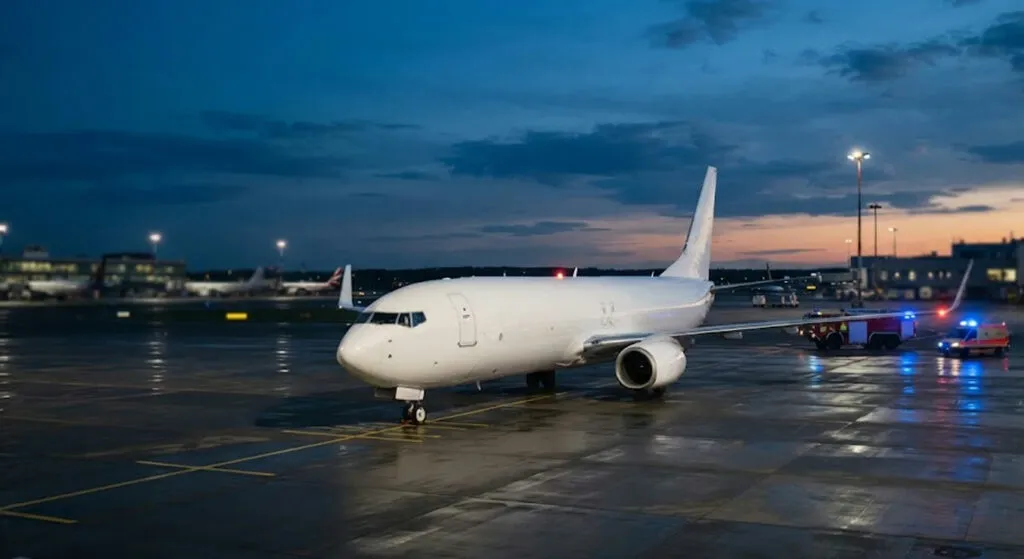
A flight from Dubai with 174 people on board, a knife in the cockpit and a plane suddenly losing altitude....
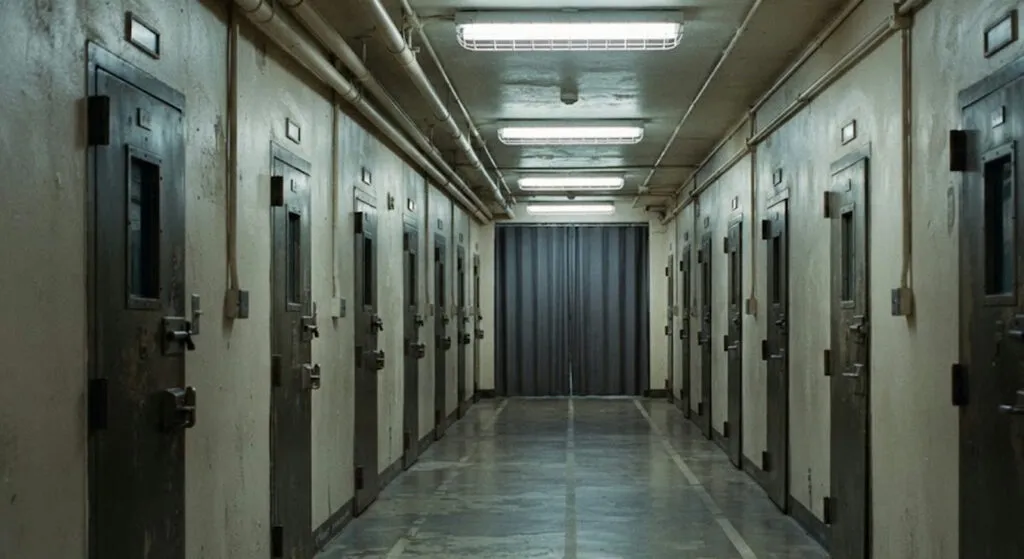
The state that was preparing to execute a woman for the first time in more than 200 years took the...
This site uses cookies - is that okay? Learn more
Be the first to know when Metla launches something new
Leave your email and we will write when there is a new guide or something new on Metla.