

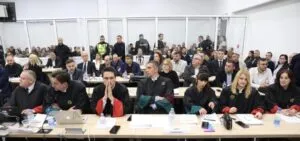
Experts on the Puls fire: the ceiling foam released cyanide as it burned, and the inspector could and should have shut the place down
02.09.2026


02.09.2026

02.09.2026

02.09.2026

02.09.2026

02.09.2026

02.09.2026

02.09.2026

01.09.2026

31.08.2026

02.09.2026

02.09.2026

01.09.2026

02.09.2026

02.09.2026

02.09.2026

02.09.2026

01.09.2026

31.08.2026

02.09.2026

02.09.2026

02.09.2026

02.09.2026
01.09.2026
31.08.2026

09.03.2026

27.02.2026

19.02.2026

02.09.2026

01.09.2026

01.09.2026

23.04.2026

23.04.2026

12.04.2026
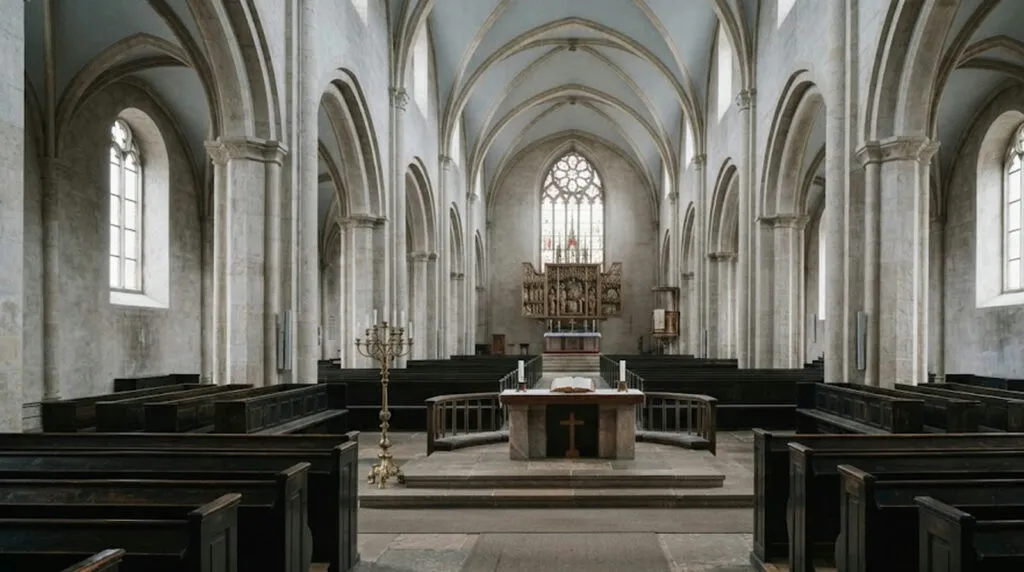
When a king dies in a country of five and a half million people, the plan is not written that day. Norway has had one ready since 1991, when Harald V took the throne after the death of his father Olav V. It is called Operation K, after the Norwegian word konge - king. Harald died on 28 August, aged 89, and the plan was activated immediately.
What followed is a study in how a state turns grief into logistics. Oslo will be partly closed on the day of the funeral, 9 September, and the day before. Football matches are cancelled. Trams in the centre stop running. Stortinget station is closed. Part of the airspace over the city closes at precisely defined hours. Hotels have been requisitioned for state delegations, which means tourists with reservations are being moved elsewhere.
Oslo Cathedral has fewer than a thousand seats. For a funeral attended by the royal houses of Sweden, Denmark, Belgium, the Netherlands and Japan, that is a mathematical problem with no elegant solution. Some will be in the church, some will not. The funeral programmes will be translated for guests who do not speak Norwegian - an idea taken from Pope Francis's funeral.
The scale of the operation is measured in aircraft. When Olav was buried in 1991, 70 planes brought world leaders to Oslo, and that was then considered the largest security operation in the country's history. This one is expected to be bigger. The British government helped with the planning - they have fresh experience from the funeral of Elizabeth II.
The new king, Haakon VIII, has declared one month of official mourning for the royal house, until 9 October. All official engagements are cancelled except constitutional duties: cabinet sessions, the opening of the Storting and a few audiences. The royal family and court staff wear dark clothing or uniforms with mourning bands. The royal estates remain closed to visitors.
In all of this, the most interesting figure is the one who says the least. Ingrid Alexandra, 22, is now the heir to the Norwegian throne. On 4 September she and her father will appear in their new roles for the first time - receiving condolences from the Council for Cooperation between Faith Communities, from military representatives, from members of the Sami Parliament and from the government. None of those events will be a spectacle. That is exactly the point.
The Norwegian monarchy is one of the least lavish in Europe, and that modesty is no accident - it is its political strategy. Even now, with the state closing half the capital, the tone stays restrained. Mette-Marit, the new king's wife, was taken to hospital after the proclamation ended; her chronic pulmonary fibrosis has been public knowledge since 2018. Unlike other courts, this is neither hidden nor dramatised.
The Balkans knows both versions - states that bury their leaders with three days of television coverage, and states that cannot organise a single step without improvising. The Norwegian approach is neither. It is a plan written 35 years ago that nobody hoped to use, and when the day came - it worked.
The latest 10 news from this category

Three drones at one airport, a hit substation in Brandenburg and two states that already know who is guilty. Only...

When Moscow wants to prove why it does not want a ceasefire, it reaches for our nineties. The Balkans is...

Pashinyan announced an EU membership bid and five years away from the CSTO. The Kremlin responded calmly - and that...

Every day of war is a step backwards for humanity, Modi said. That same day India carried on filling the...

Ankara has held this role twice already, and twice it ended without a lasting deal. Still, when every other channel...
Merkel called on Germans to fight for democracy a week before an election the AfD is leading comfortably. The most...
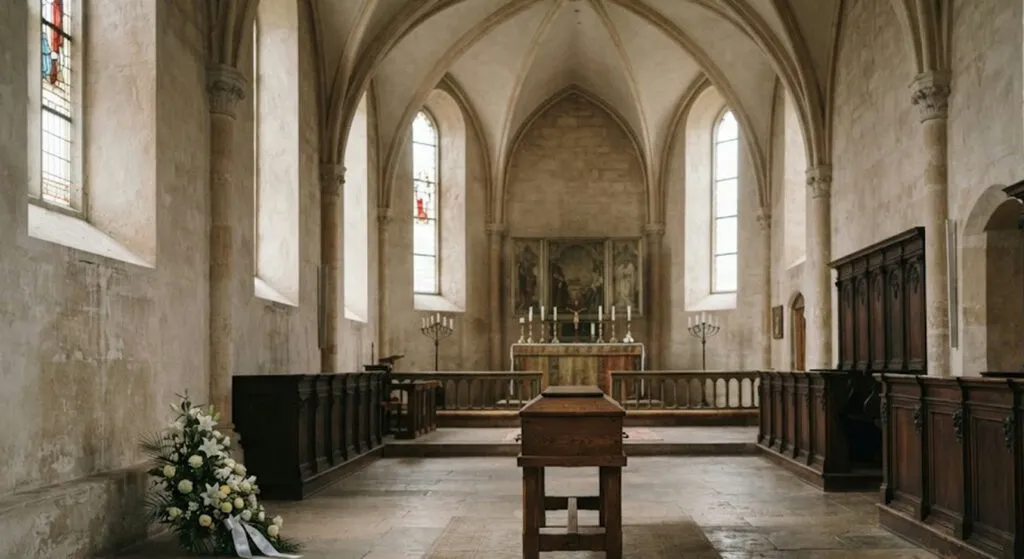
Four years in prison and two rape convictions did not remove him from the procession carrying Harald V's coffin. The...
At least eight dead, 249 rescued, the vessel at 514 metres depth. The captain and seven crew members are under...
Merz promised measures "in the coming days" and confirmed the partners already know what is coming. The response is German...
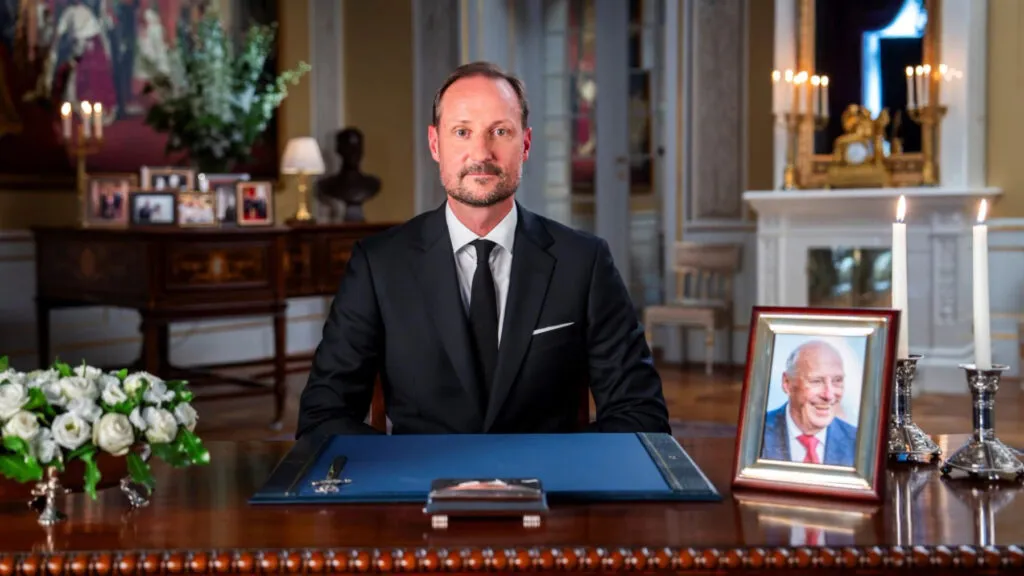
A day after Harald V died, the new king sat down in front of a camera with a photograph of...
This site uses cookies - is that okay? Learn more
Be the first to know when Metla launches something new
Leave your email and we will write when there is a new guide or something new on Metla.
