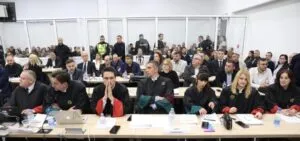
Experts on the Puls fire: the ceiling foam released cyanide as it burned, and the inspector could and should have shut the place down
02.09.2026


02.09.2026
02.09.2026
02.09.2026

02.09.2026
02.09.2026

02.09.2026

02.09.2026

01.09.2026

31.08.2026

02.09.2026

02.09.2026

01.09.2026

02.09.2026

02.09.2026

02.09.2026

02.09.2026

01.09.2026

31.08.2026

02.09.2026

02.09.2026

02.09.2026

02.09.2026
01.09.2026
31.08.2026

09.03.2026

27.02.2026

19.02.2026

02.09.2026

01.09.2026

01.09.2026

23.04.2026

23.04.2026

12.04.2026
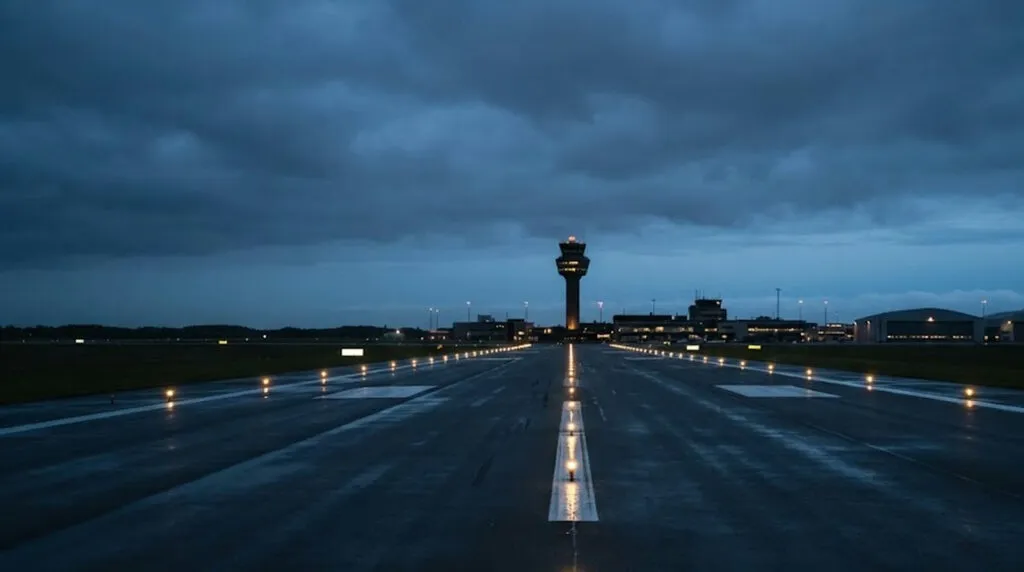
Germany will soon announce its response to the alleged drone attack on Leipzig/Halle airport, Chancellor Friedrich Merz said. The investigation is nearing its end, and within the federal government, he says, there is already broad consensus on how to react. The incident happened at the beginning of August - which means that "soon" in this case means a month later.
"We are in the final phase of the investigation," Merz said, promising the decision would be announced in the coming days. "It will not take much longer," he added. Berlin is preparing to attribute responsibility to Russia and to announce tougher measures next week. German officials are giving no details for now - the official attribution comes once the investigation is complete.
The measures are coordinated in advance
Merz was also precise about who knows what is coming: "It is already coordinated. In the coming days it will be finalised with the European Union and with our partners in NATO." And then the sentence that says the most: "It will be a German response, but our partners in the EU and NATO will not be surprised by it."
In other words - the response is German by signature, but collective by content. That is both the strength and the weakness of this model: no European state answers alone any more, but nobody can react faster than the slowest member of the group either.
The options are broader than before
The possible measures go beyond what Berlin has already done - expelling diplomats and closing the Russian cultural centre. On the table are additional sanctions and increased weapons deliveries to Ukraine, coordinated with the new sanctions package being prepared in Brussels.
Meanwhile, German intelligence services found a weapons cache near Berlin. According to their suspicions, the weapons may have been intended for Russian operatives carrying out assassinations on orders from Moscow. If that is confirmed, the conversation is no longer about drones over an airport, but about something that happens to states at war.
Will Europe react in time - or coordinate until the response loses its meaning? The Balkans know well what it looks like when institutions first deliberate at length and then rush. The difference is that here the deliberation lasts a month, not a decade.
The latest 10 news from this category
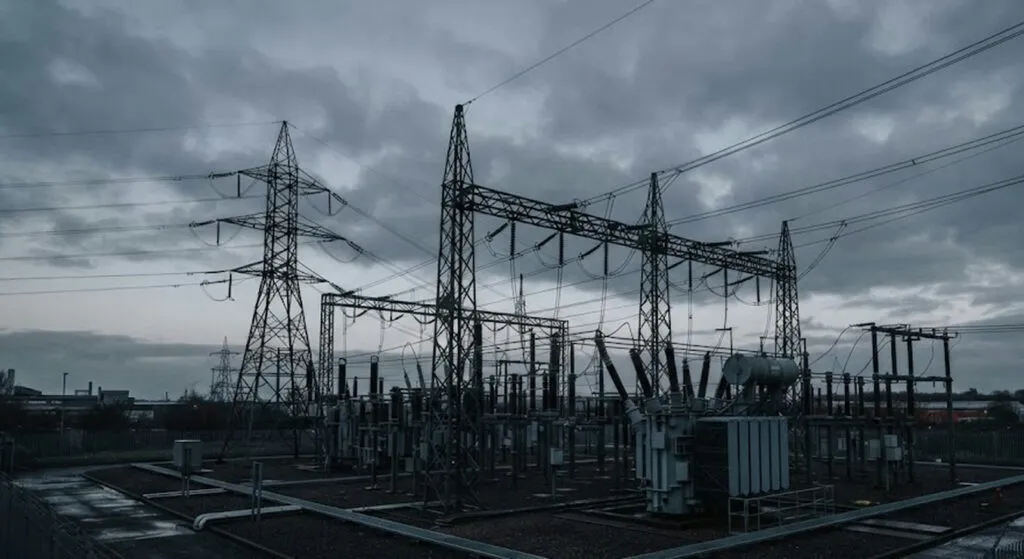
Three drones at one airport, a hit substation in Brandenburg and two states that already know who is guilty. Only...

When Moscow wants to prove why it does not want a ceasefire, it reaches for our nineties. The Balkans is...

Pashinyan announced an EU membership bid and five years away from the CSTO. The Kremlin responded calmly - and that...
Football matches cancelled, trams stopped, hotels requisitioned. Operation K was drawn up in 1991 and nobody hoped to use it.

Every day of war is a step backwards for humanity, Modi said. That same day India carried on filling the...

Ankara has held this role twice already, and twice it ended without a lasting deal. Still, when every other channel...
Merkel called on Germans to fight for democracy a week before an election the AfD is leading comfortably. The most...

Four years in prison and two rape convictions did not remove him from the procession carrying Harald V's coffin. The...

At least eight dead, 249 rescued, the vessel at 514 metres depth. The captain and seven crew members are under...
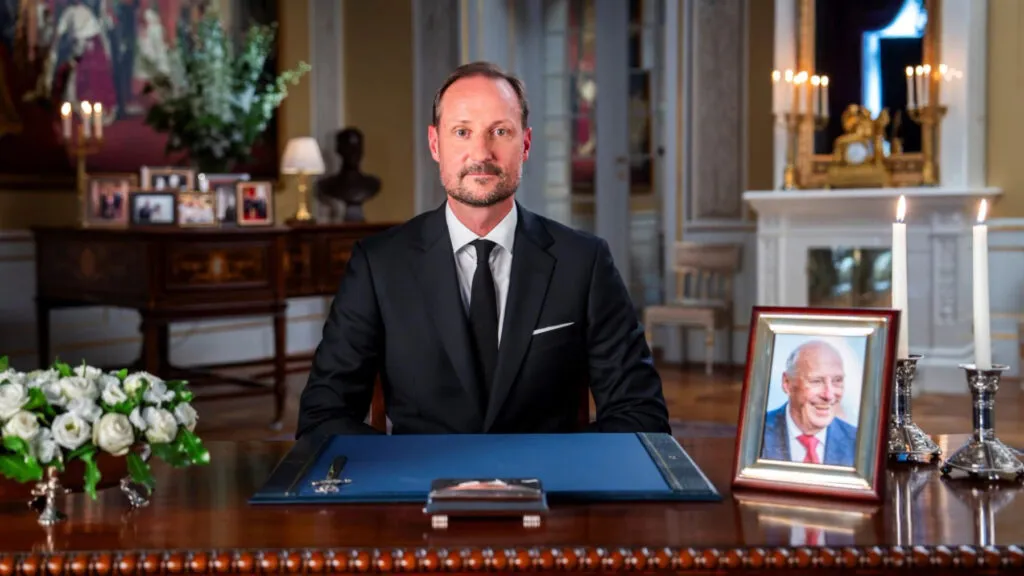
A day after Harald V died, the new king sat down in front of a camera with a photograph of...
This site uses cookies - is that okay? Learn more
Be the first to know when Metla launches something new
Leave your email and we will write when there is a new guide or something new on Metla.