

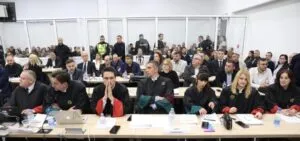
Experts on the Puls fire: the ceiling foam released cyanide as it burned, and the inspector could and should have shut the place down
02.09.2026


02.09.2026
02.09.2026
02.09.2026
02.09.2026
02.09.2026
02.09.2026
02.09.2026
01.09.2026
31.08.2026

02.09.2026

02.09.2026

01.09.2026

02.09.2026

02.09.2026

02.09.2026
02.09.2026
01.09.2026

31.08.2026
02.09.2026

02.09.2026

02.09.2026

02.09.2026
01.09.2026
31.08.2026

09.03.2026

27.02.2026

19.02.2026
02.09.2026
01.09.2026

01.09.2026

23.04.2026

23.04.2026

12.04.2026
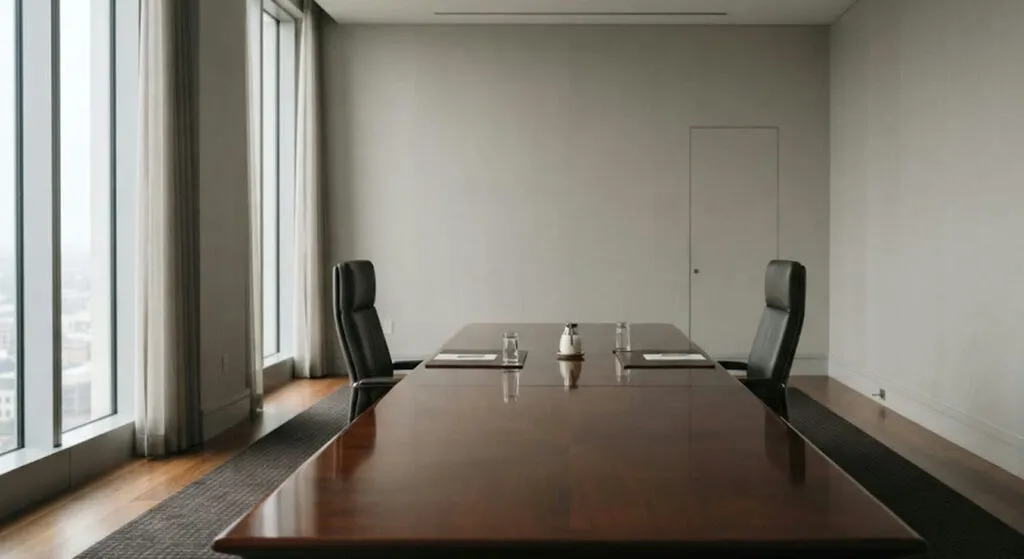
Recep Tayyip Erdogan will tomorrow in Bishkek offer Vladimir Putin that Ankara once again take the mediator's seat between Moscow and Kyiv. The information comes from a source in the Turkish government: Turkey is ready to contribute to resolving the conflict and to mediate between the sides.
The offer is not new. That is precisely the most interesting thing about it.
Ankara has tried this before
Back in 2022, Istanbul hosted the first serious direct talks between Russia and Ukraine. Later, together with the United Nations, Turkey was part of the deal that allowed Ukrainian grain exports across the Black Sea. Neither grew into a lasting political agreement.
Turkey's position is what makes the role possible: a NATO member, it supports Ukraine's territorial integrity but has never joined Western sanctions against Russia. When everybody else shut their channels, Ankara kept its own open to both Moscow and Kyiv. That is realpolitik in its purest form - and it works, at least for the one running it.
Moscow says the door is not closed, but there are conditions
For months the Kremlin has repeated the same formulation: Russia has not closed the door to negotiations, but any agreement must take into account the situation at the front and Russian conditions. Spokesman Dmitry Peskov said in mid-July that there were no immediate prospects of resuming talks with Kyiv, but that Moscow remains open to them.
Putin went a step further at the end of June: Russia is ready for peace talks based on the agreements reached in Istanbul, the modalities discussed in Ankara and, as he stressed, "the reality on the ground".
That last phrase is the entire point. For Moscow, "the reality on the ground" means four and a half years of war cannot be erased and the 2022 negotiating table restored. For Kyiv, recognising border changes as a done deal is exactly what is off the table. Both sides say they are open to talks - and both define a starting point the other does not accept.
The Black Sea enters the conversation directly
The other big part of the meeting is the Black Sea. Russian presidential aide Yuri Ushakov has already confirmed that the two will discuss the situation in the Black Sea basin. Attacks on ports, ships and logistics infrastructure are putting that subject back on the table.
For Turkey this is not abstract diplomacy. It controls the Bosphorus and the Dardanelles and is effectively the key state for the military and commercial regime of the entire Black Sea. Ankara is not just offering a venue - it has a direct interest in the conflict not spilling over onto the sea routes that lead to its own shores.
Why now
The offer comes at a moment when Washington too is looking for a way to revive the diplomatic channel. CIA director John Ratcliffe, during a recent secret visit to Moscow, floated the idea of a meeting between Donald Trump, Putin and Volodymyr Zelensky.
The Bishkek meeting is scheduled immediately after the main events of the Shanghai Cooperation Organisation summit. Turkey is not a full member but a dialogue partner - though Erdogan has for years used that organisation to strengthen relations with Russia, China and the Central Asian states.
So three sides are simultaneously looking for a way back to the negotiating table, and nobody is saying on what terms they would open it. Whether this is a genuine turning point or another round of diplomatic photo opportunities will be seen after Bishkek - but not from the statements coming out of Bishkek.
The latest 10 news from this category
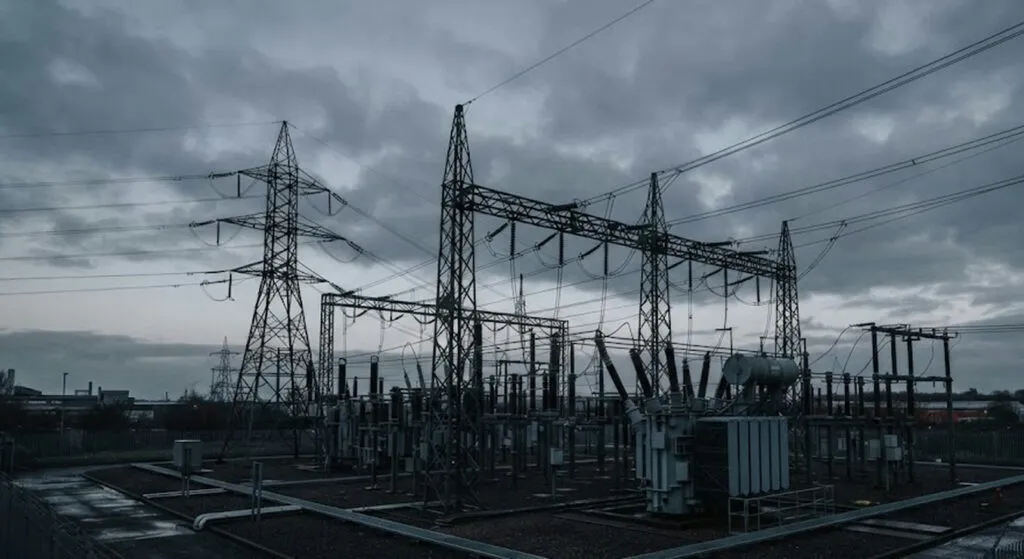
Three drones at one airport, a hit substation in Brandenburg and two states that already know who is guilty. Only...
When Moscow wants to prove why it does not want a ceasefire, it reaches for our nineties. The Balkans is...
Pashinyan announced an EU membership bid and five years away from the CSTO. The Kremlin responded calmly - and that...
Football matches cancelled, trams stopped, hotels requisitioned. Operation K was drawn up in 1991 and nobody hoped to use it.
Every day of war is a step backwards for humanity, Modi said. That same day India carried on filling the...
Merkel called on Germans to fight for democracy a week before an election the AfD is leading comfortably. The most...
Four years in prison and two rape convictions did not remove him from the procession carrying Harald V's coffin. The...
At least eight dead, 249 rescued, the vessel at 514 metres depth. The captain and seven crew members are under...
Merz promised measures "in the coming days" and confirmed the partners already know what is coming. The response is German...
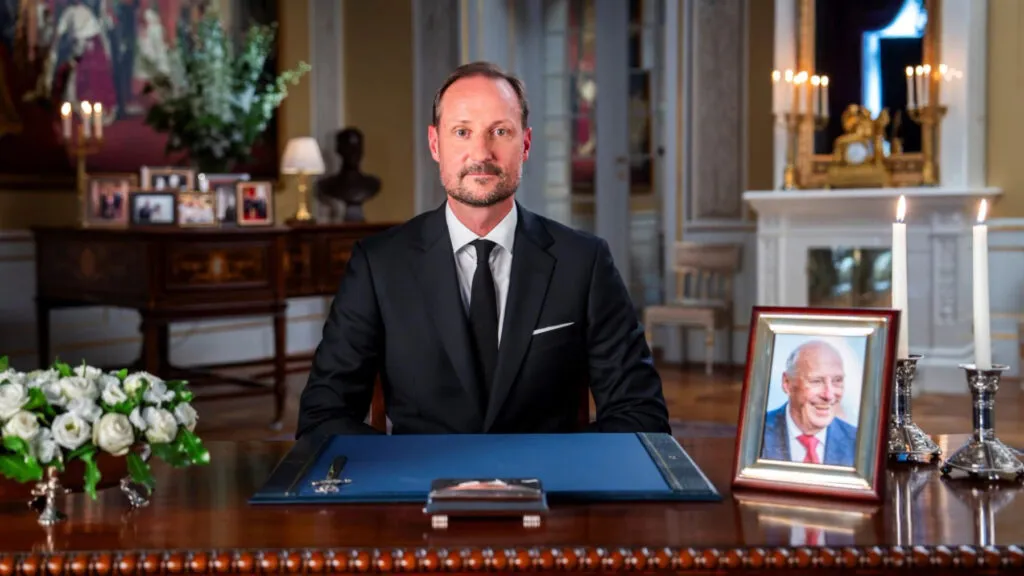
A day after Harald V died, the new king sat down in front of a camera with a photograph of...
This site uses cookies - is that okay? Learn more
Be the first to know when Metla launches something new
Leave your email and we will write when there is a new guide or something new on Metla.
