

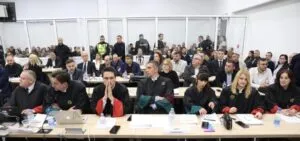
Experts on the Puls fire: the ceiling foam released cyanide as it burned, and the inspector could and should have shut the place down
02.09.2026


02.09.2026
02.09.2026

02.09.2026

02.09.2026

02.09.2026

02.09.2026

02.09.2026

01.09.2026

31.08.2026

02.09.2026

02.09.2026

01.09.2026

02.09.2026

02.09.2026

02.09.2026

02.09.2026
01.09.2026

31.08.2026
02.09.2026

02.09.2026
02.09.2026

02.09.2026
01.09.2026
31.08.2026

09.03.2026

27.02.2026

19.02.2026
02.09.2026

01.09.2026

01.09.2026

23.04.2026

23.04.2026

12.04.2026
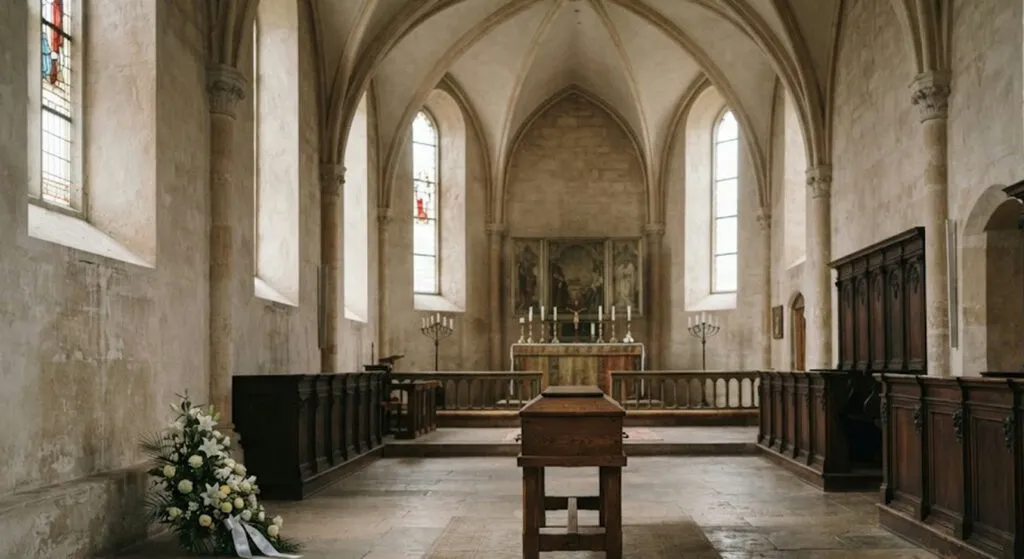
Norway buried its long-standing constant. Harald V, the king who sat on the throne for more than three decades, was sent off with the coronation sword and the kingdom's most prestigious crown, and his coffin was carried through the palace corridors by those closest to him. Among them, in plain view, stood Marius Borg Hoiby.
For the past two years that name has not been spoken in Norway without an awkward pause. In June this year the court in Oslo found him guilty on 34 of 40 counts of the indictment, among them two for rape, plus domestic violence, physical assault, possession and trafficking of narcotics, and repeated breaches of restraining orders. The sentence is four years in prison. He was acquitted on two other counts of sexual assault, and his lawyers have announced an appeal against the rape convictions and part of the violence charges.
Despite all that, he was in the procession. Not somewhere off to the side, but at the front.
How it came to this at all
Marius entered the palace in 2001, when the then crown prince Haakon married Mette-Marit - a woman with no aristocratic background, a single mother with a child from a previous relationship. The Norwegian court did something most European courts would not have permitted: it accepted the child as its own. Haakon raised him on equal terms with Princess Ingrid Alexandra and Prince Sverre Magnus. The boy's biological father was serving a prison sentence for violent offences and drugs at the time, so the tie to the royal family remained the only one that worked.
The result is what we are now looking at: a man with no title, no dynastic rights and not a single step in the line of succession, who nonetheless stands where the grandchildren stand.
The question Norwegian media are asking out loud
Since 2024, when the arrests began to pile up, Norway has been having a debate it rarely has about the royal house: did the police treat him like anyone else. That is not a pointless question. A man who spent months being detained and released, and was then convicted on 34 counts, gets permission to visit his "grandfather" at the National Hospital in the hours before his death.
The court did not apologise for it. On the contrary - on 25 August it released previously unseen footage from Haakon and Mette-Marit's honeymoon, showing that the boy was with them even then. That is not a photograph that comes out by accident. It is a message.
In his first address to the nation, the new king Haakon VIII mentioned him too, as his son.
Where the line sits
The Balkans know this scene under a different name. Every family has the one person everybody knows everything about, who still stands at the front at the funeral, because family is family. The difference is that with the Norwegian family the funeral is broadcast live and paid for from the budget.
And that is exactly where the discomfort lies. A family's private right not to disown its own child is something few would dispute. But the court is not a private family - it is an institution with a constitutional function, and every frame of it is a political statement, whether they want it to be or not. Marius Borg will inherit nothing. What he got is harder to take away than a title: a place in the frame.
The latest 10 news from this category
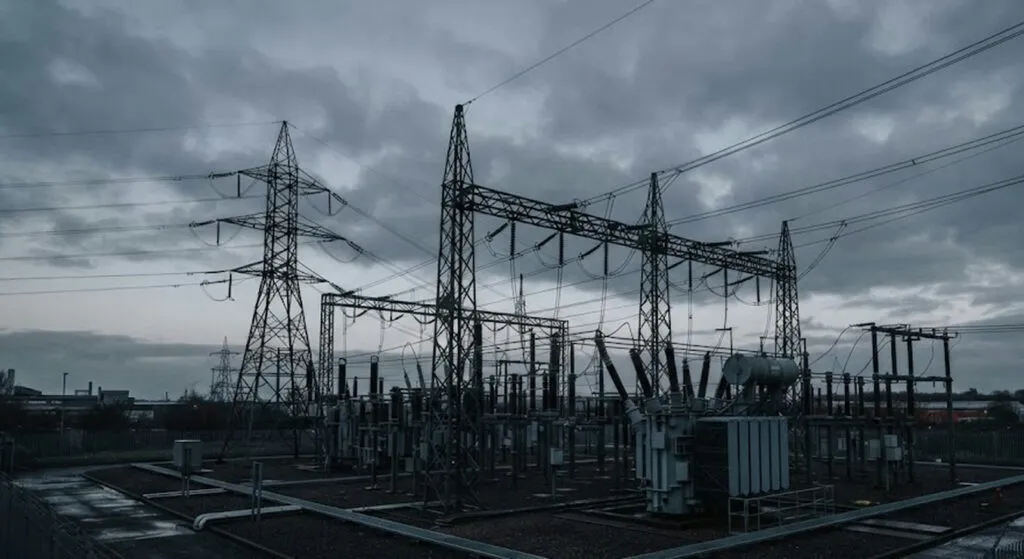
Three drones at one airport, a hit substation in Brandenburg and two states that already know who is guilty. Only...
When Moscow wants to prove why it does not want a ceasefire, it reaches for our nineties. The Balkans is...
Pashinyan announced an EU membership bid and five years away from the CSTO. The Kremlin responded calmly - and that...
Football matches cancelled, trams stopped, hotels requisitioned. Operation K was drawn up in 1991 and nobody hoped to use it.
Every day of war is a step backwards for humanity, Modi said. That same day India carried on filling the...

Ankara has held this role twice already, and twice it ended without a lasting deal. Still, when every other channel...
Merkel called on Germans to fight for democracy a week before an election the AfD is leading comfortably. The most...
At least eight dead, 249 rescued, the vessel at 514 metres depth. The captain and seven crew members are under...
Merz promised measures "in the coming days" and confirmed the partners already know what is coming. The response is German...
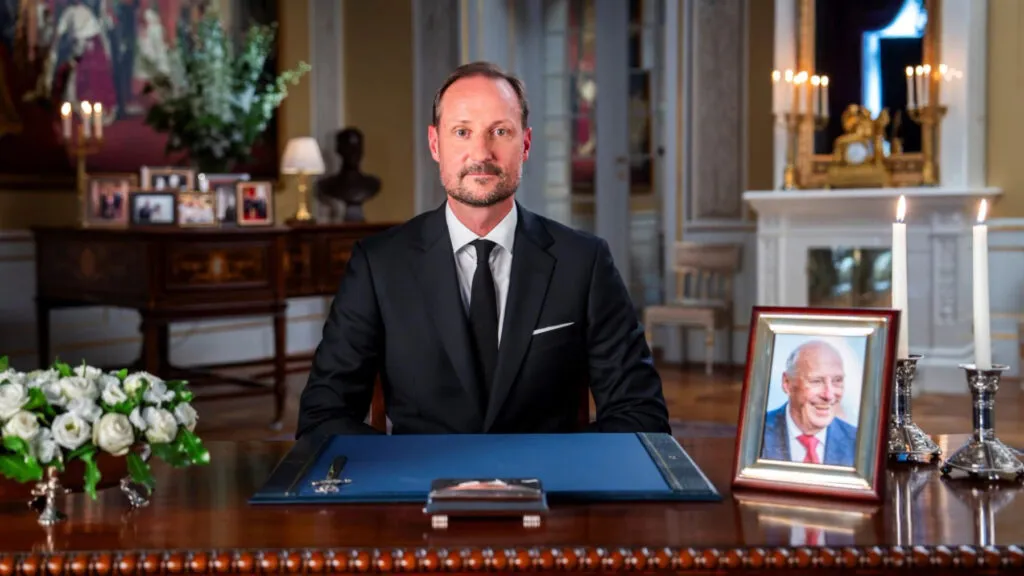
A day after Harald V died, the new king sat down in front of a camera with a photograph of...
This site uses cookies - is that okay? Learn more
Be the first to know when Metla launches something new
Leave your email and we will write when there is a new guide or something new on Metla.
