

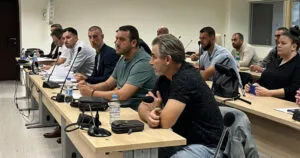
"That's not my job": the trial of the 13 Puls police officers restarted from scratch, and witnesses describe help being refused
22.09.2026


22.09.2026
22.09.2026
22.09.2026

22.09.2026
22.09.2026
22.09.2026

22.09.2026

21.09.2026
20.09.2026

22.09.2026

22.09.2026
21.09.2026
22.09.2026

22.09.2026
22.09.2026

22.09.2026

21.09.2026

20.09.2026
22.09.2026
22.09.2026
22.09.2026
22.09.2026
22.09.2026

22.09.2026

09.03.2026

27.02.2026

19.02.2026
22.09.2026

21.09.2026
21.09.2026

23.04.2026

23.04.2026

12.04.2026

After more than four years of war, a question once unthinkable to say out loud is appearing in Russia: whether to end the war in Ukraine at all. In a media space under tight control, the mere asking of that question is a shift worth noting.
Putin remains uncompromising - he demands full control over the Donbas, shows no remorse for the decision to invade, and continues with missile and drone strikes despite economic pressure. But around him, something is shifting. The hope that Trump would broker a peace favourable to Moscow - the so-called "spirit of Anchorage" - has evaporated. Kremlin adviser Yuri Ushakov recently even distanced himself: "I never used that term."
Why is the tone changing? Because the bill has come due. Enormous losses on the battlefield, technological backwardness, a budget deficit, a stalled economy - and a war that has already reached Russian territory through drone strikes on refineries and the Moscow region. When the war knocks on your own door, the abstract "special operation" becomes a lot more concrete.
The voices differ. Political analyst Vasily Kashin says the goal of removing the "anti-Russian government" in Kyiv is "technically unfeasible" without full occupation. Commentator Alexander Nosovich describes a divided expert community, where some believe "the worst-case scenario isn't defeat, but endless operations." Others, like lawyer Dmitry Krasnov, console themselves with history - that Russian defeats "have regularly led to reforms and, surprisingly, new victories."
But the limits of this debate are clear. One controversial article that suggested Russia consider ending the war without achieving its goals was soon deleted from the internet - readers ran into an "Error 404" message. So much for the freedom of the new discussion.
For the Balkans, which remember well the regimes that talked in one direction while reality went in another, this is a familiar moment. When a system begins to allow questions it once banned, that's rarely a sign of openness - more often it's a sign that reality has become too heavy to hide. The question isn't whether Russia has doubts; the question is how long it will allow that doubt to be spoken.
The latest 10 news from this category
Washington, Copenhagen and Nuuk are signing off on a military presence on an island of 56,000 people - and the...
Phones in Krāslava rang by themselves, the fighters took off, and what exactly triggered the alert - nobody is saying....
In Mecklenburg the CDU finished on 4.9 percent and, for the first time in the history of the Federal Republic,...
Tisza took 16 years of power off Fidesz and won 141 of 199 parliamentary seats. Orbán now says Brussels is...
With 75 percent of protocols counted, the governing party leads in 208 of the 225 single-mandate districts. A parliament of...
He never sat on the throne, and the emirate is lowering its flags for ten days. Sometimes the surname says...
Three options on the table in Washington - military pressure, economic strangulation or a deal - and the president frames...
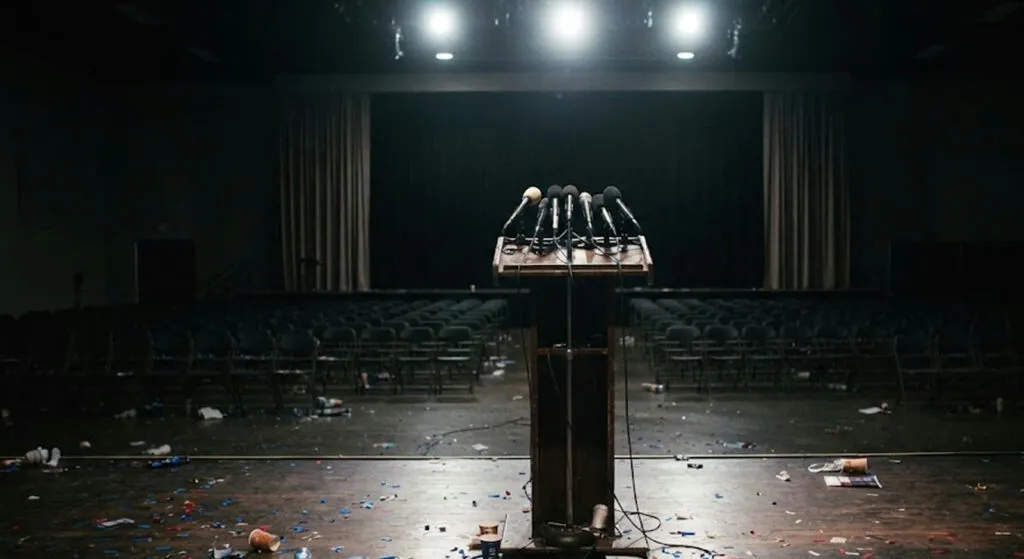
The party of Adenauer and Kohl slid to the electoral threshold in Mecklenburg, the AfD is already demanding the chancellor's...
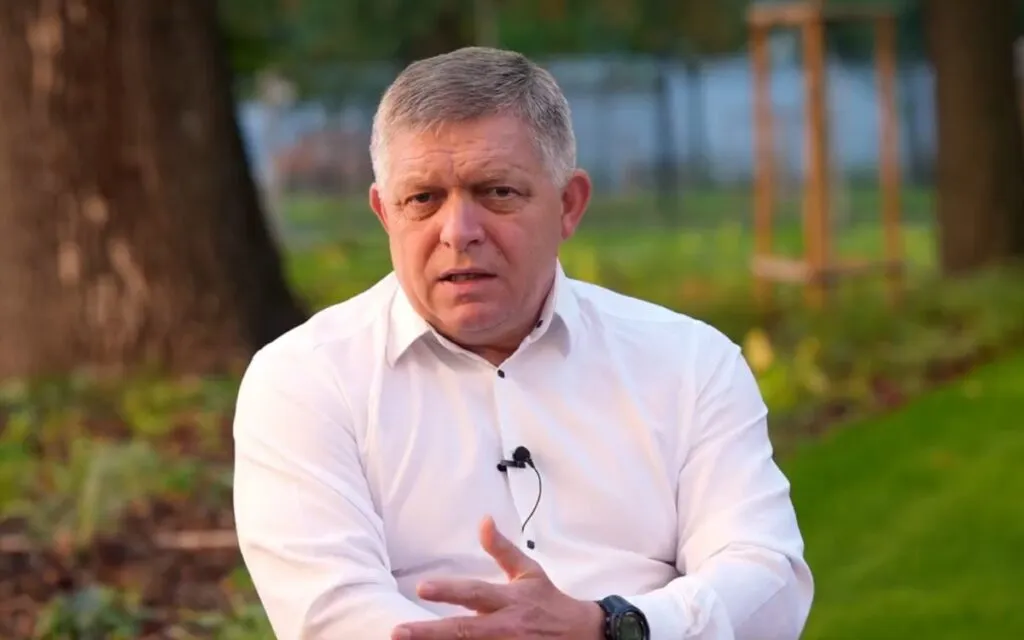
Two prime ministers in the same Union, the same month, completely opposite diagnoses of who is provoking whom. There is...
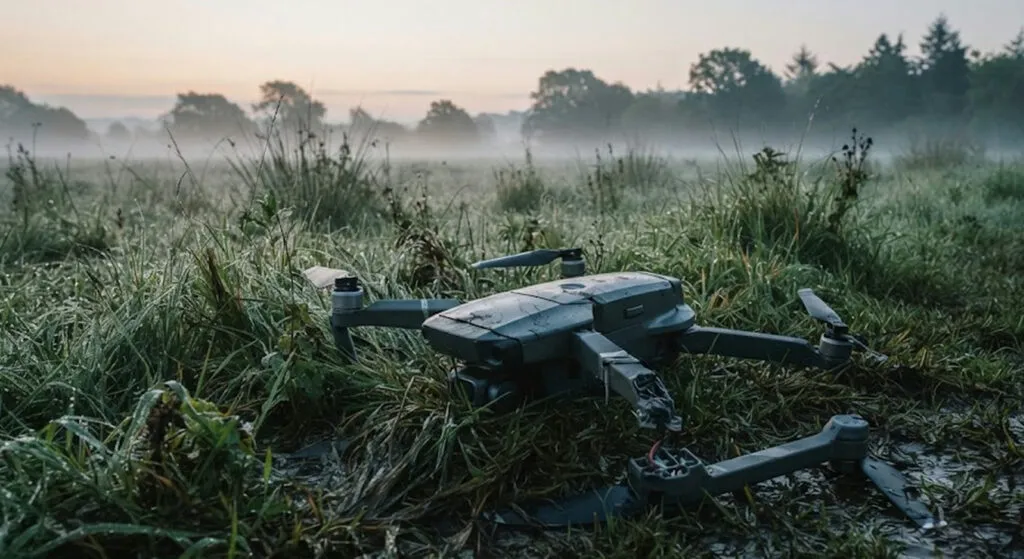
A broken aircraft in a field usually ends up in a police note. This one ended up with federal investigators,...
This site uses cookies - is that okay? Learn more
Be the first to know when Metla launches something new
Leave your email and we will write when there is a new guide or something new on Metla.
