
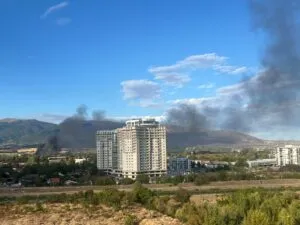
Black Smoke Over Skopje: A Paint and Varnish Warehouse Burned Inside the Old Steelworks
23.09.2026


23.09.2026
23.09.2026

23.09.2026

23.09.2026

23.09.2026

23.09.2026

23.09.2026

22.09.2026

21.09.2026

23.09.2026

23.09.2026

22.09.2026

23.09.2026

23.09.2026

23.09.2026

23.09.2026

22.09.2026

21.09.2026

23.09.2026

23.09.2026

23.09.2026

23.09.2026

23.09.2026

23.09.2026

09.03.2026

27.02.2026

19.02.2026

23.09.2026

22.09.2026

21.09.2026

23.04.2026

23.04.2026

12.04.2026

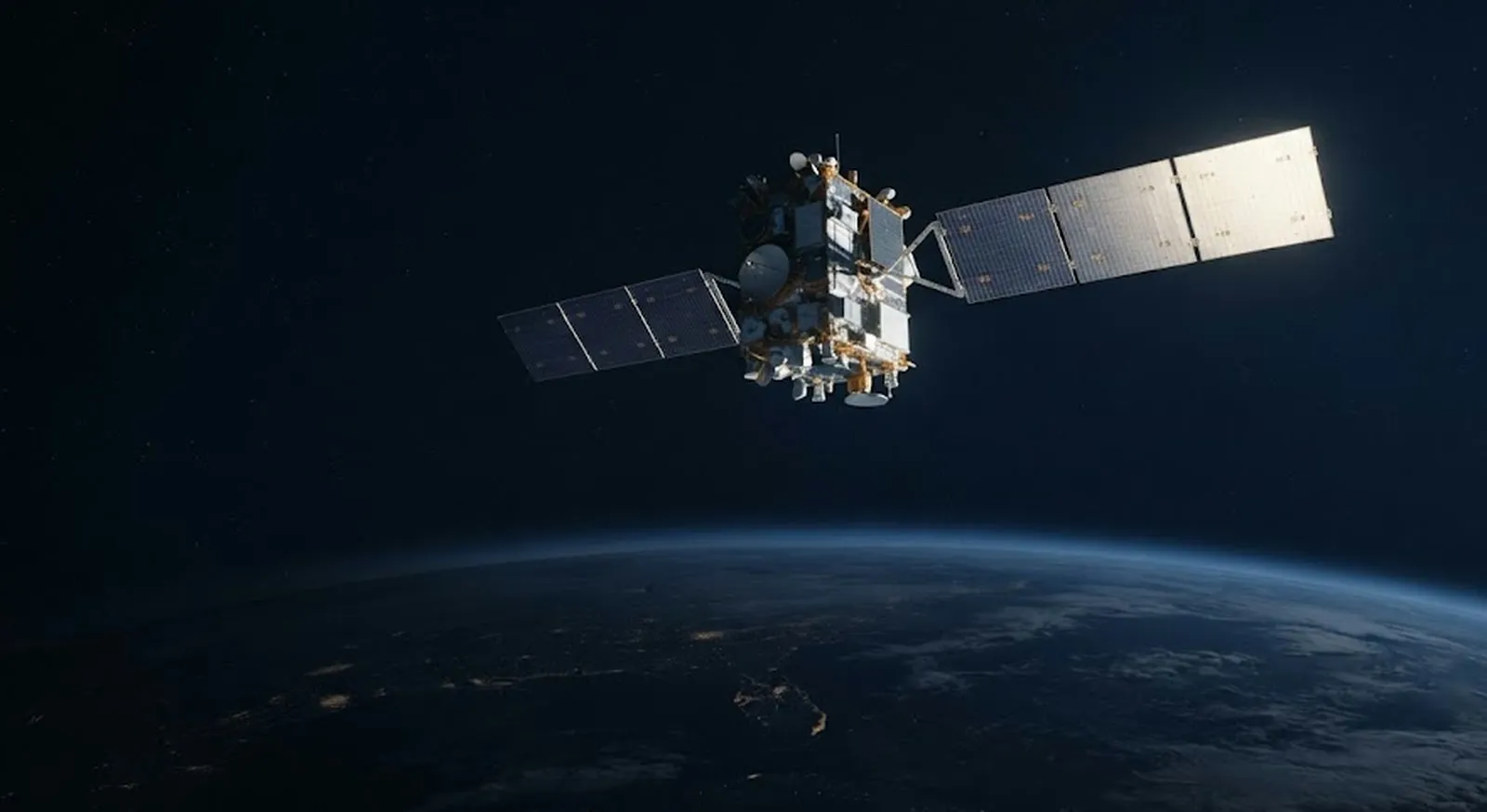
When Elon Musk switched on Starlink over Ukraine in 2022, it was presented as a technological edge nobody could copy. Three and a half years later, a former adviser in the Ukrainian presidential office says in a video address that Russia is building its own version - and that it is already operating over parts of Ukraine.
According to that address, Russia launched a constellation of 16 satellites, then a second one. Several dozen in total. Twelve of the first 16, launched in March, reached an operational altitude of 550 kilometres. Their orbits take them past Ukraine four times a day.
The figures are specific, and that is exactly why they are worth more than any statement. This is not a project announcement. According to the same source, the system already holds a stable satellite internet link over certain areas - an hour and a half to two hours. The estimate goes further: if launches continue at this pace, by the end of 2027 that could be eight to twelve hours.
Who is saying this, and why it matters
The source is not Russian. This is a man on the Ukrainian side describing the enemy's advantage as, in his words, a factor that will seriously complicate life for the Ukrainian armed forces. An admission from that address carries a different weight than a Kremlin press release - but it is still one address by one person, with no independent confirmation of what the system can actually do.
So it is reasonable to keep the caveat in place: what is confirmed are the launches and the altitudes. What remains an estimate is how long the link will really hold up in 2027.
Still, the pattern is familiar. Technological dependence looks like an advantage right up until the other side starts building its own capacity. Since 2022, Ukraine has fought a war in which battlefield connectivity was tied to a private American company and to the decisions of a single man. If Russia closes that gap, the advantage doesn't vanish overnight - it quietly levels out.
For a reader in the Balkans there is something here more recognisable than the war itself. Infrastructure you use but don't own is infrastructure somebody else can switch off. The question isn't whether satellite internet will reach us too - it already has. The question is whose it will be, and who decides when it works.
The latest 10 news from this category
The offer is deliberately narrow - energy only, with a deadline before winter. When a power line goes down in...

On the night Russia was closing its parliamentary elections, Ukrainian drones reached the refinery at Kapotnya and residential blocks in...

Every sentence about last night's offensive has the same author - the Russian Ministry of Defence. There is smoke over...
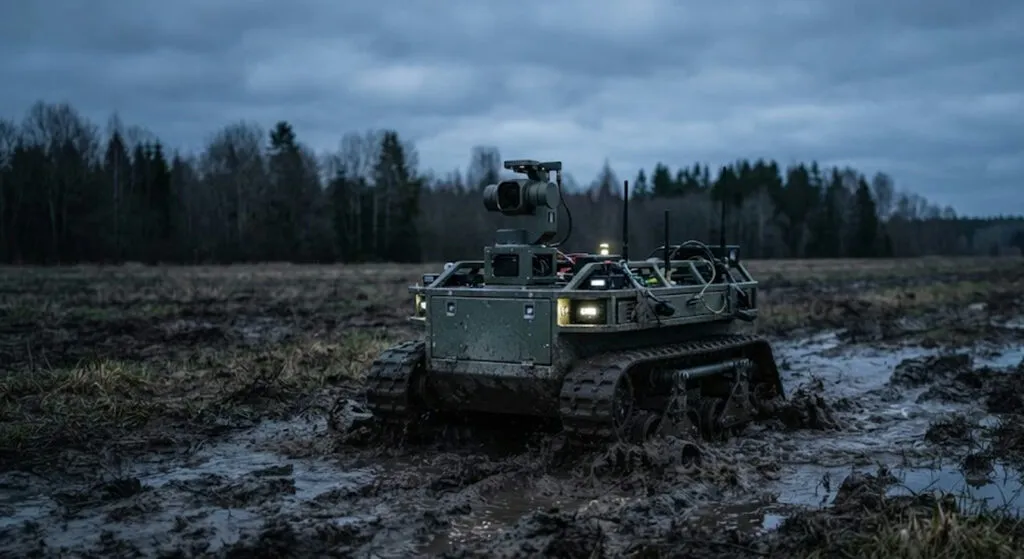
The Telegram statement reads like a trailer: drones that blind drones, robots dropped from the air behind enemy lines, and...

Black smoke over the main airport, sirens in the middle of the night and a state that will not say...
Western agencies say no decision has been taken - only preparations that would let it all happen overnight. In the...
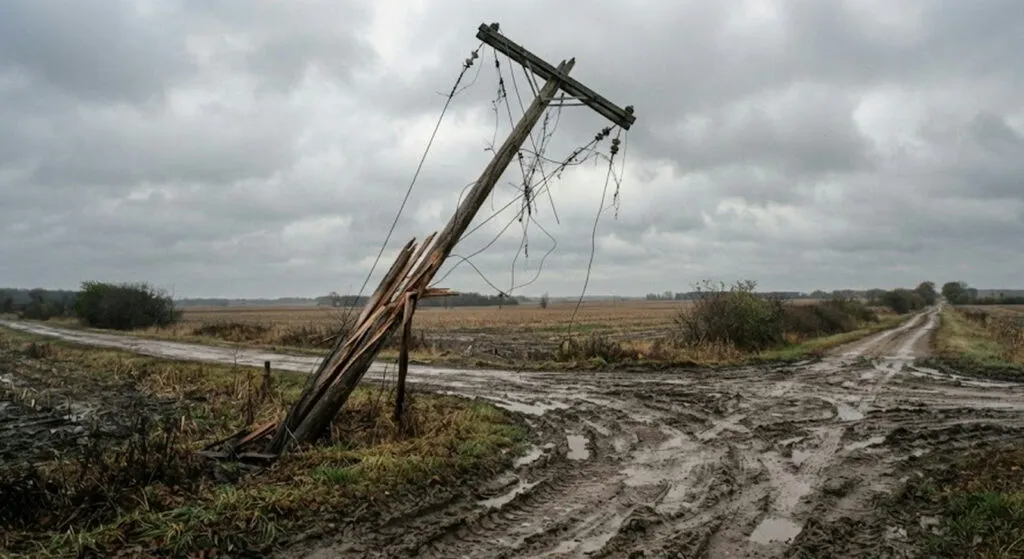
A Russian commander promised to cut the Kharkiv encirclement "like a pie". Every number comes from the camp running the...
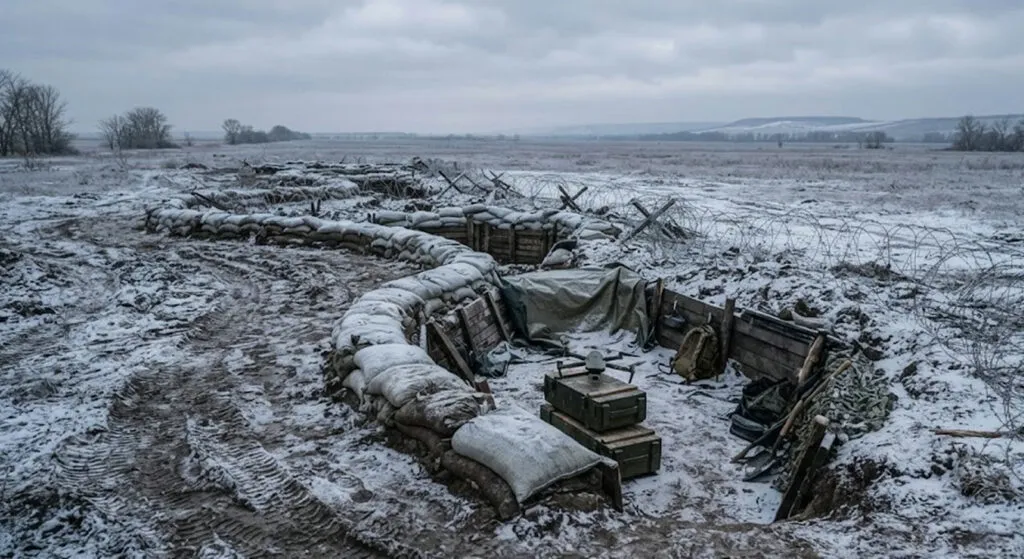
Around 8,500 North Korean soldiers are still in Russia, among them 1,000 engineers and 400 drone operators. Estimates point to...
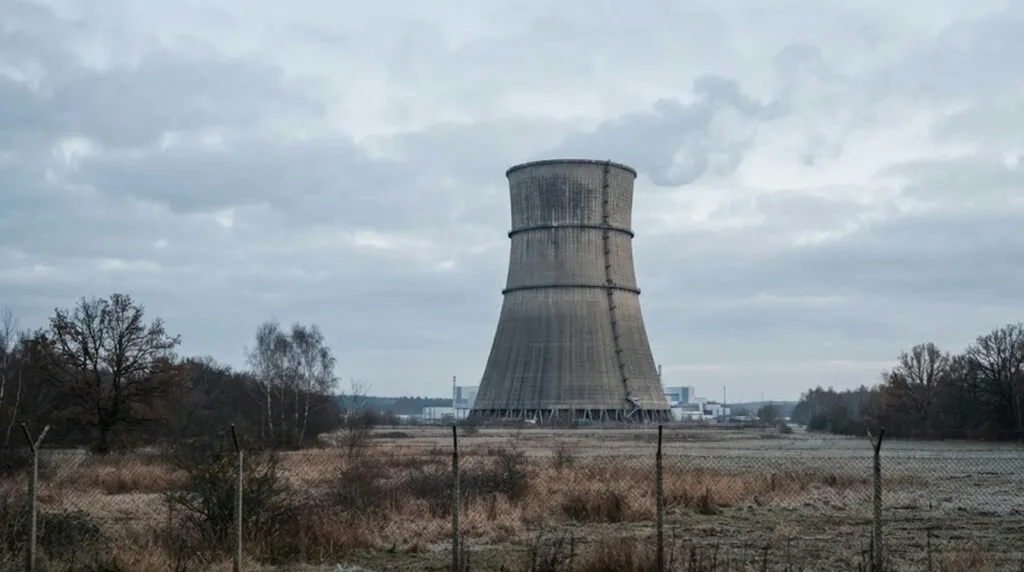
The unit was running, the operating regime did not change, there was no fire. The difference between a news item...

The bill passed with 262 votes, and the key to it has been handed to a man who has already...
This site uses cookies - is that okay? Learn more
Be the first to know when Metla launches something new
Leave your email and we will write when there is a new guide or something new on Metla.
