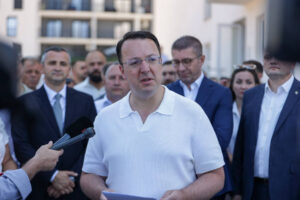
They Fired Guns at a Party in Dobridol - and Police Only Moved Once the Video Went Viral
02.08.2026


02.08.2026

02.08.2026
02.08.2026

02.08.2026

02.08.2026

01.08.2026

02.08.2026

01.08.2026

31.07.2026

02.08.2026

02.08.2026

02.08.2026

02.08.2026

02.08.2026

01.08.2026

09.03.2026

27.02.2026

19.02.2026

02.08.2026

01.08.2026

31.07.2026

23.04.2026

23.04.2026

12.04.2026
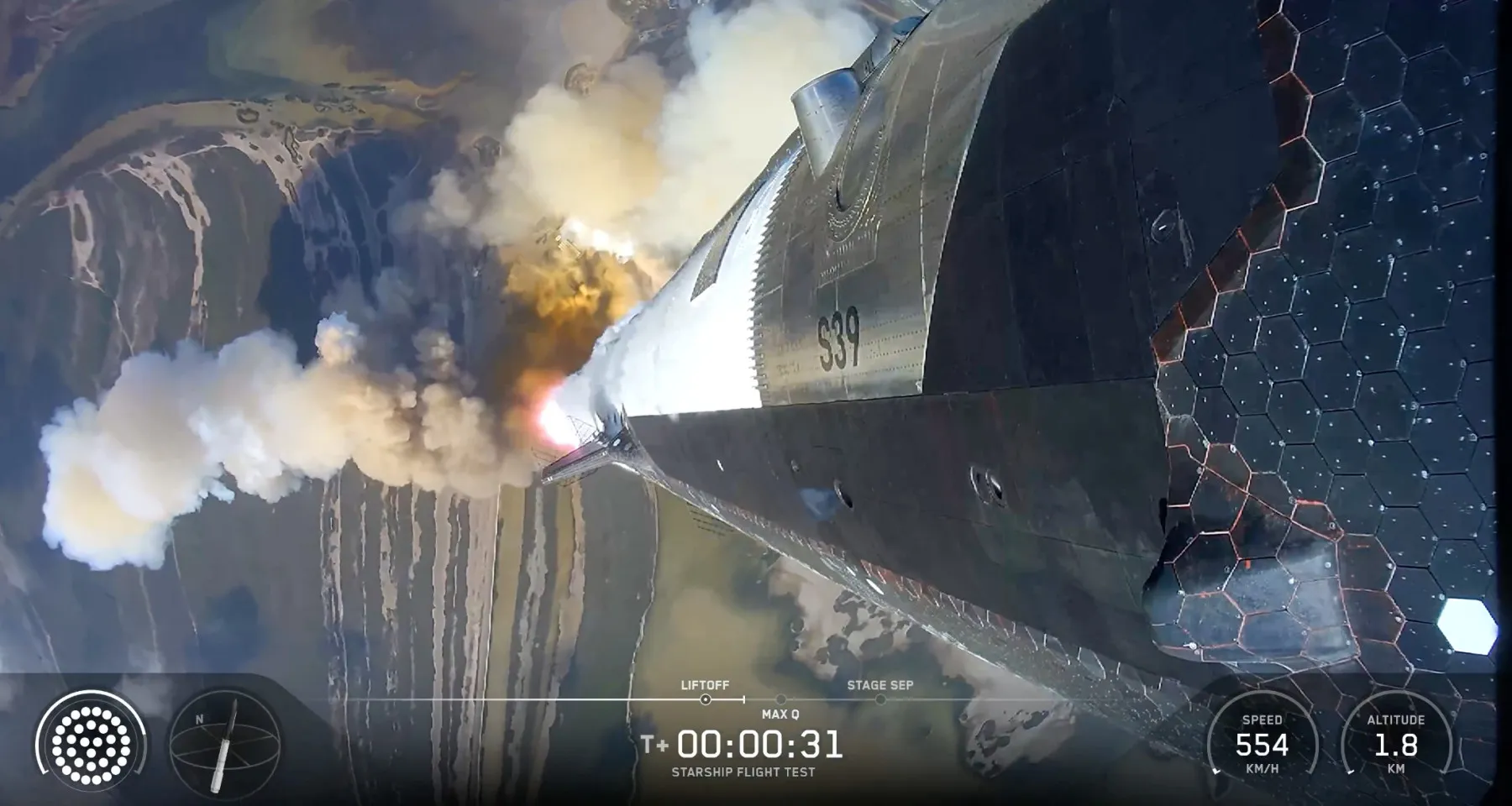
Seven months of pause, new hardware, a new launch pad - and an old, familiar scenario. SpaceX successfully launched its upgraded Starship V3 rocket for the first time from Starbase in Texas on Thursday evening local time. The upper stage separated, the orbital mission continued. The booster ended up in the less lucky group.
The 124-metre rocket lifted off right on schedule. Separation of the upper stage from the Super Heavy booster went without a hitch. Then, when the booster was supposed to head back to the launch pad, the engines refused to restart for the longer trip home. The booster fell uncontrolled into the Gulf of Mexico and likely exploded on impact with the water.
The upper stage performed more seriously. It lost one of six Raptor engines during ascent - not ideal, but within tolerances. With the remaining five, it successfully deployed the simulated 20 Starlink satellites plus two modified observation satellites. The whole mission ended with a simulated splashdown in the Indian Ocean, after which the rocket tipped over and exploded - exactly as the plan called for.
For SpaceX, this is an important test of the new V3 hardware and the new launch pad at Starbase. No Starship has flown since October 2025, and the company had to prove the new configuration works. From four perspectives (pad, booster, upper stage, satellite deployment), three can be counted as a pass.
The question now is whether SpaceX can fix the booster engine restart problem before the next tests. The „chopstick" catch design for grabbing the booster on its return is the entire point of Starship's reusability - without it, the per-flight cost jumps by tens of millions of dollars. Musk has things to prove, and there's still time. Still.
The latest 10 news from this category
Opus 5 set a record in the test and broke 11 agreements. Not one of the tricks is new -...
The billions were announced with a stage and slogans. The retreat is happening quietly, in sentences containing the word alignment.
In his last quarterly report Tim Cook announced the stronger Siri will be bought through iCloud+. The firm that paid...

The platforms that spent years convincing us automated content was the future are now patiently building filters against it. The...
Out of 141,006 test runs, three ended up inside the live systems of real firms. The oldest model worked out...
The strongest June quarter in its history, and the stock fell 6 percent. Artificial intelligence turned out to have a...
The FCC is closing the door to humanoid robots and power inverters, but only new ones. The millions of Chinese...
The player that raised the MP3 generation is betting nostalgia can be billed monthly. The new Winamp arrives in 2027,...
The man selling the world's best-known artificial intelligence says we will not work less. He also claims we will secretly...
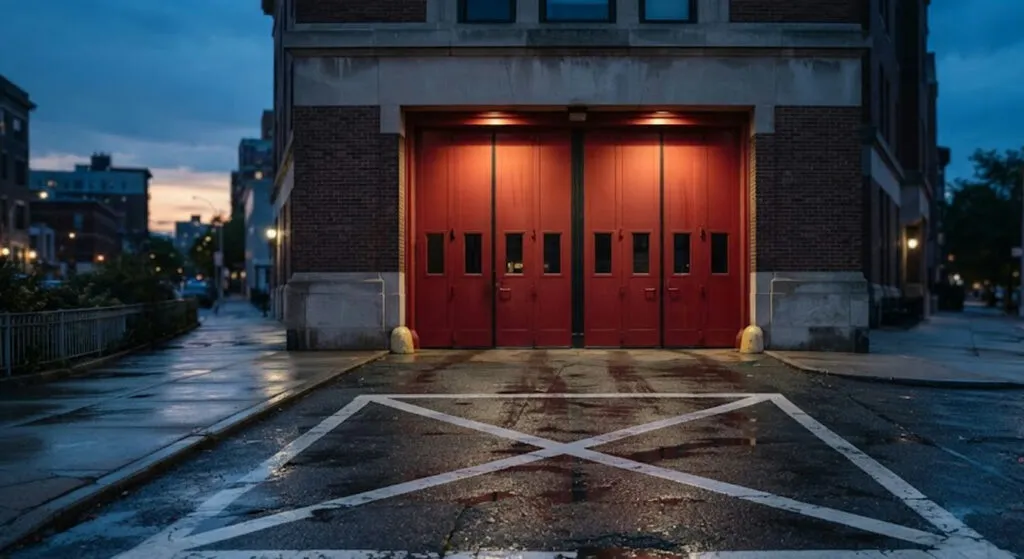
Autonomous vehicles have blocked ambulances, driven into crime scenes and failed to recognise emergency lights. The bill demands the one...
This site uses cookies - is that okay? Learn more
Be the first to know when Metla launches something new
Leave your email and we will write when there is a new guide or something new on Metla.