Smugglers Dragged a Police Officer With Their Vehicle at Blace: the Second Car Is What Tells You This Wasn't an Accident
14.09.2026


14.09.2026

14.09.2026
14.09.2026

14.09.2026
13.09.2026

12.09.2026

14.09.2026

14.09.2026

13.09.2026

14.09.2026

14.09.2026

14.09.2026

14.09.2026

13.09.2026

12.09.2026

14.09.2026

14.09.2026

14.09.2026

14.09.2026

14.09.2026

13.09.2026

09.03.2026

27.02.2026

19.02.2026

14.09.2026

14.09.2026

13.09.2026

23.04.2026

23.04.2026

12.04.2026

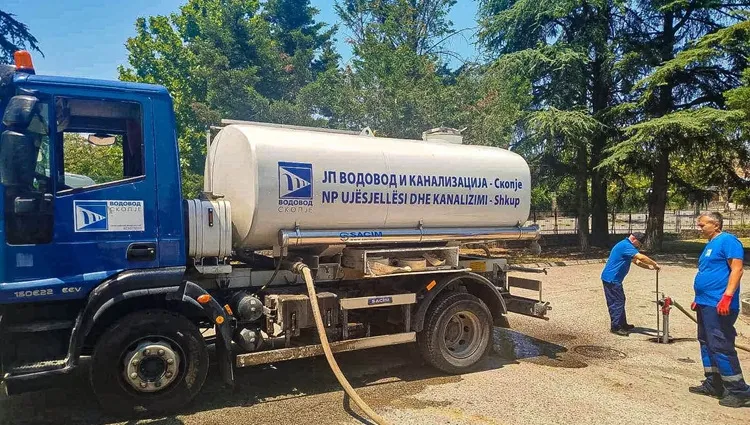
While the institutions argue over whether the crisis in Gostivar is an epidemic or not, help set off from where it could move fastest - from the neighbouring municipalities. The City of Skopje sent tankers of drinking water, and bottle points sprang up on the ground. Solidarity, as usual in the Balkans, reacts faster than the bureaucracy.
Skopje Mayor Orce Gjorgjievski announced that the city had immediately dispatched tankers of safe water for the residents of Gostivar, while analyses into the cause of the mass stomach illnesses are still under way. „In moments like these there is no room for waiting - what is needed is a fast response, humanity and solidarity,” he said.
Gjorgjievski, in his capacity as president of the Association of Units of Local Self-Government, also appealed to other mayors to pitch in with help within their means. „Only united and in solidarity can we more easily handle this situation and give citizens the assurance that they are not alone,” he stated.
Help also arrived along party lines. The VMRO-DPMNE municipal committee in Gostivar supplied 20,000 bottles of water, with collection points spread across the city - from the centre and Kej Vardar to Ciglana and Pitarnica. A practical gesture, but one with a political signature too - because in the Balkans even a glass of water rarely arrives without a logo.
The picture is familiar, both moving and bitter at once. When the system meant to deliver clean tap water fails, tankers, bottles and other people's goodwill step in to take its place. The help is welcome and deserves recognition. But it is a patch, not a solution.
The real question stays unanswered as the water trucks roll towards Gostivar: how did it even come to a city being left without safe drinking water, and who will answer for the system that let it happen? The tankers will leave once the crisis passes. The cause - if it isn't fixed - will remain.
The latest 10 news from this category
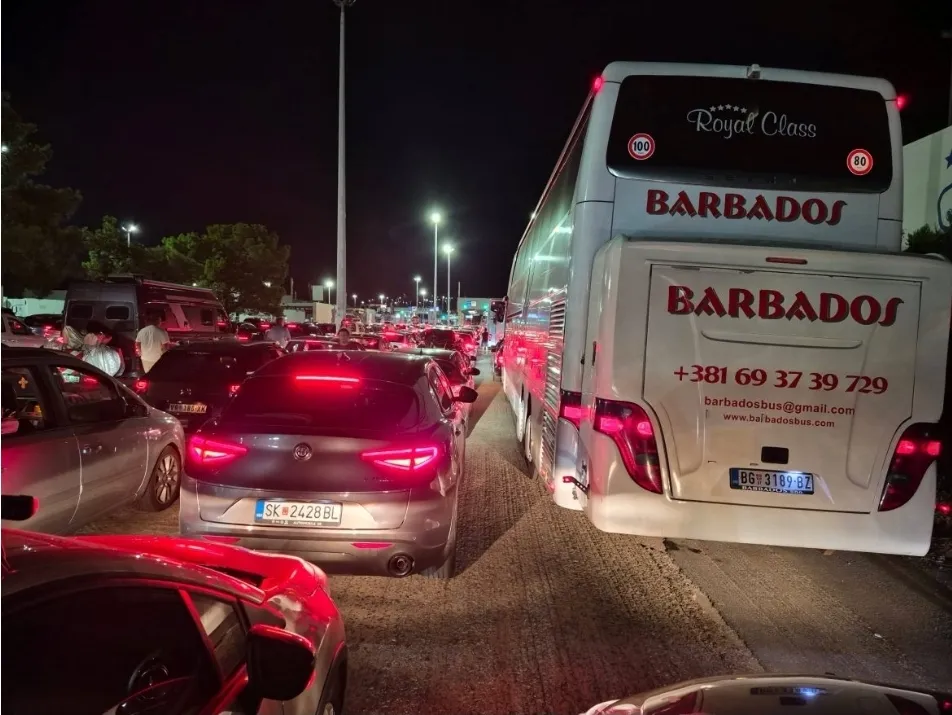
Travellers report three and a half to four hours of queuing on the way in from Greece. The state has...

Toshkovski showcased the fines, but the real figure is elsewhere - 96 road deaths last year, 61 this year in...
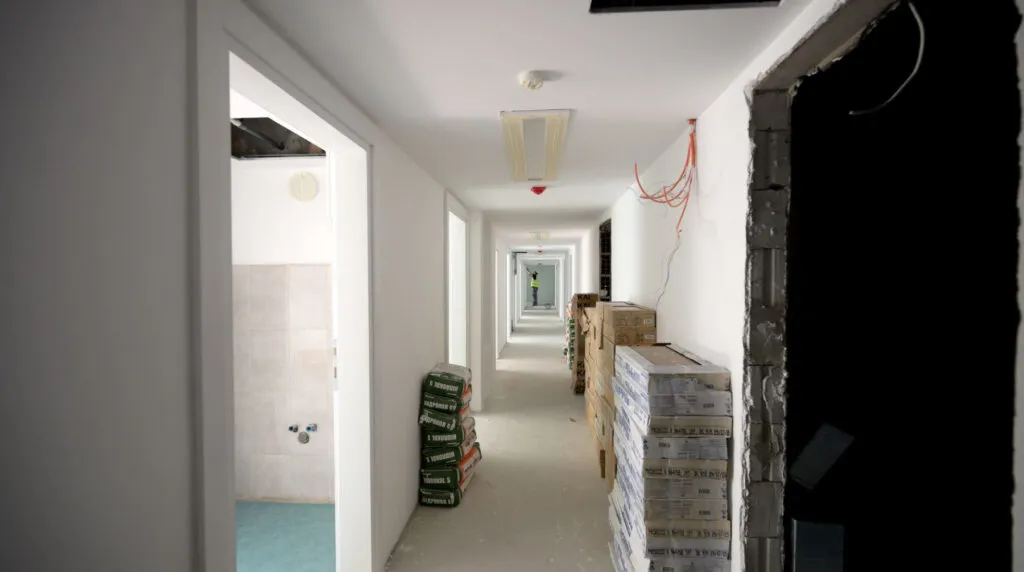
The state paid 120,000 euros purely because the money sat unspent in an account. A dormitory in central Skopje was...
The shutoff starts at nine in the morning, on a working day. The announcement says when it begins but not...
Over 1,500 signatures against clearing forest for dozens of new houses. The council president offered the name of the location...
Nikoloski is announcing two new lines and new trains. But what separates infrastructure from a photo with a ribbon is...
Ivanovska recalls why Vodno was forested in the first place. Gerasimovski says the court annulled the old plan and a...
Three Bulgarian ministries, MPs from different parties and flags inside the medical centre. MAEI asks why a check-up in a...
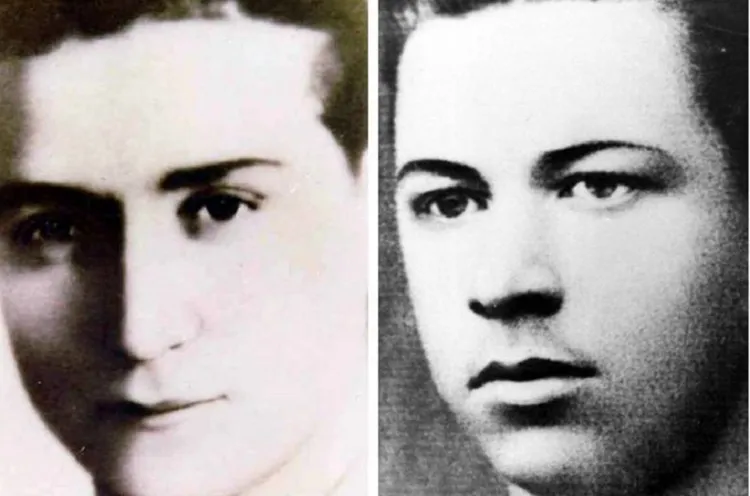
Flowers were laid in Bitola for Stefan Naumov and Dimitar Bogoevski. Behind the anniversary stand two biographies that ended at...
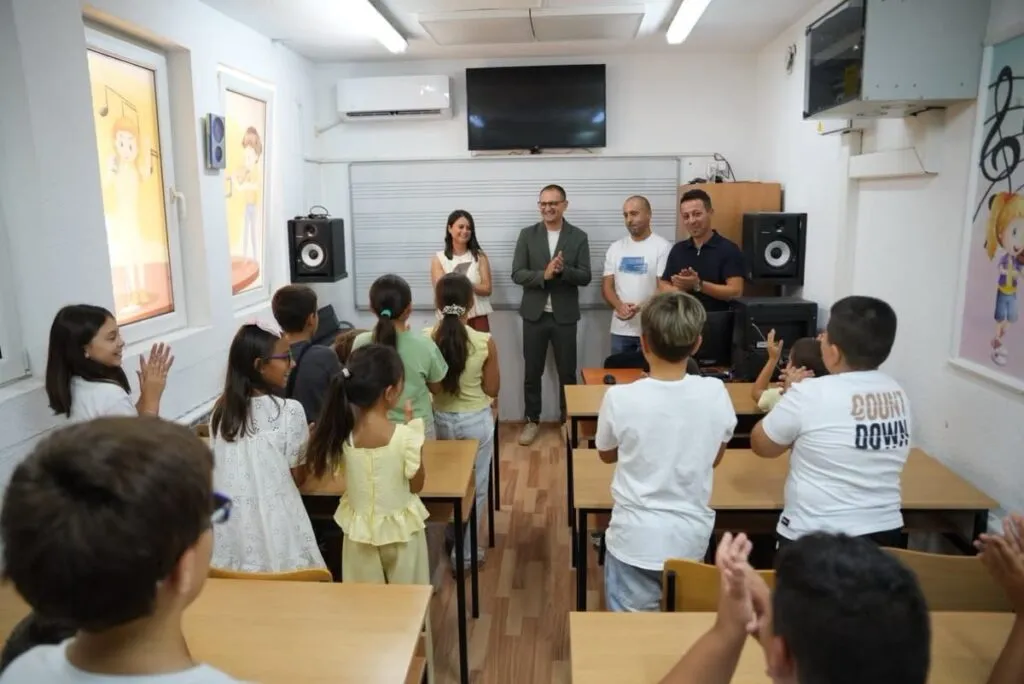
Eighty children do not simply appear out of nowhere. The question no ceremony answers is whether there are enough instruments...
This site uses cookies - is that okay? Learn more
Be the first to know when Metla launches something new
Leave your email and we will write when there is a new guide or something new on Metla.