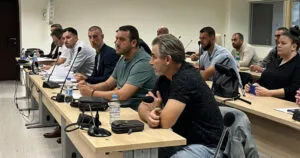
"That's not my job": the trial of the 13 Puls police officers restarted from scratch, and witnesses describe help being refused
22.09.2026


22.09.2026
22.09.2026
22.09.2026
22.09.2026
22.09.2026
22.09.2026
22.09.2026
21.09.2026

20.09.2026

22.09.2026

22.09.2026
21.09.2026
22.09.2026

22.09.2026
22.09.2026
22.09.2026
21.09.2026

20.09.2026
22.09.2026

22.09.2026
22.09.2026
22.09.2026

22.09.2026

22.09.2026

09.03.2026

27.02.2026

19.02.2026
22.09.2026

21.09.2026
21.09.2026

23.04.2026

23.04.2026

12.04.2026

The alliance between Ukraine and Poland, which looked unshakeable while Russian tanks were on Ukrainian territory, has suddenly begun to crack - and not over the present, but over a bloody past from more than eight decades ago.
The spark is seemingly symbolic: Ukrainian President Zelensky approved a military unit to bear the honorary name „Heroes of the UPA" - the Ukrainian Insurgent Army. For Poland this is an insult, because the UPA there is linked to the massacres of the Polish civilian population in Volhynia during the Second World War. On 11 July 1943, UPA units attacked over 150 villages; historians estimate that between 60,000 and 100,000 Polish civilians died, and another 10,000 to 15,000 Ukrainians in the Polish reprisals. The Polish parliament declared those events a genocide in 2016.
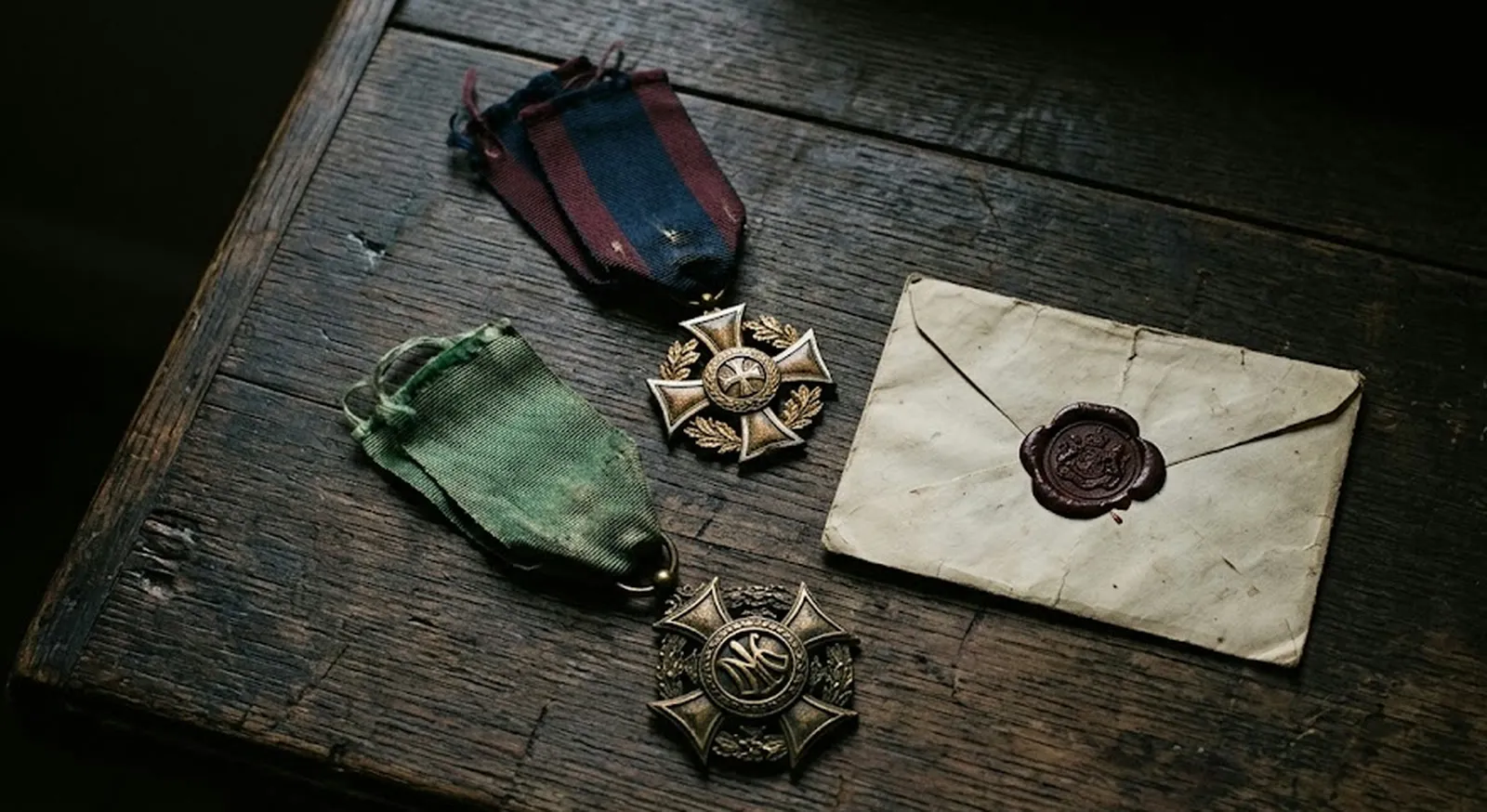
The reaction was swift and sharp. Polish President Nawrocki launched a procedure to strip Zelensky of Poland's highest decoration, the Order of the White Eagle. Zelensky shot back that he would return the medal himself, by post, to Warsaw. Three former Ukrainian presidents joined the protest, while opposition leader Kaczyński threatened to block the negotiations on Ukraine's EU accession.
Behind the historical dispute lies a far more contemporary calculation. Polish enthusiasm for Ukrainian refugees has waned, farmers are in revolt, and right-wing parties skilfully ride that fatigue. When the political climate cools, old wounds suddenly become a useful weapon. The Balkans know this by heart - here, history is never a closed subject, but a reserve drawn upon exactly when someone needs it. The question is whether Europe has truly changed, or has merely learned to package the same old hatreds more politely.
The latest 10 news from this category
Washington, Copenhagen and Nuuk are signing off on a military presence on an island of 56,000 people - and the...
Phones in Krāslava rang by themselves, the fighters took off, and what exactly triggered the alert - nobody is saying....
In Mecklenburg the CDU finished on 4.9 percent and, for the first time in the history of the Federal Republic,...
Tisza took 16 years of power off Fidesz and won 141 of 199 parliamentary seats. Orbán now says Brussels is...
With 75 percent of protocols counted, the governing party leads in 208 of the 225 single-mandate districts. A parliament of...
He never sat on the throne, and the emirate is lowering its flags for ten days. Sometimes the surname says...
Three options on the table in Washington - military pressure, economic strangulation or a deal - and the president frames...
The party of Adenauer and Kohl slid to the electoral threshold in Mecklenburg, the AfD is already demanding the chancellor's...
Two prime ministers in the same Union, the same month, completely opposite diagnoses of who is provoking whom. There is...
A broken aircraft in a field usually ends up in a police note. This one ended up with federal investigators,...
This site uses cookies - is that okay? Learn more
Be the first to know when Metla launches something new
Leave your email and we will write when there is a new guide or something new on Metla.