


Studeničani: 35-year-old dies after being electrocuted while washing his car with a pressure washer
18.09.2026


18.09.2026
18.09.2026

18.09.2026

18.09.2026

18.09.2026
18.09.2026

18.09.2026

17.09.2026

16.09.2026

18.09.2026

18.09.2026

17.09.2026

18.09.2026

18.09.2026

18.09.2026

18.09.2026

17.09.2026

16.09.2026

18.09.2026

18.09.2026

18.09.2026

18.09.2026

17.09.2026

17.09.2026

09.03.2026

27.02.2026

19.02.2026

18.09.2026

17.09.2026

16.09.2026

23.04.2026

23.04.2026

12.04.2026

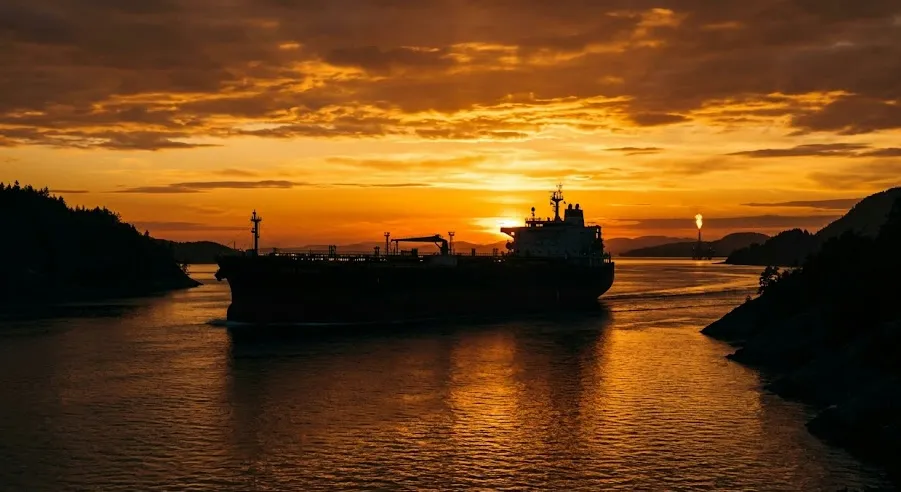
The ceasefire between the US and Iran lasted as long as it lasted - and just as diplomats were talking about a lasting agreement, US military forces destroyed two Iranian boats allegedly attempting to lay mines in the Strait of Hormuz. At the same time, a new series of strikes on Iranian air-defence systems has been confirmed, after they opened fire on American aircraft.
Hormuz is the throat of the world economy. Around 20 percent of global oil production and a significant share of liquefied gas pass through it. Any military incident in these waters lifts oil prices, triggers stock-market panic, and raises serious questions for producers in Europe and Asia. The Balkans - which import almost everything - are directly affected.
US Central Command claims the strikes are „defensive, not escalatory". That is a standard formulation that answers nothing - because the difference between defence and escalation in these conditions is determined precisely by those who opened fire. Iran has not reacted officially, but local sources report explosions near Bandar Abbas, Iran's main Gulf port, with casualties among the Revolutionary Guards.
Secretary of State Marco Rubio said a potential deal with Iran „may take several days", but that an open Hormuz remains an „essential priority" for Washington. Translation: we will keep it open, and you can either help us or take the pain. This is the language of force, not diplomacy.
The question for the Balkans: if oil prices jump 15 percent next week (which would be no surprise), who will cover those costs? A Macedonian household on a low-average income? Macedonian hauliers? No, we are at the end of the chain. We pay last, and we pay more.
The ceasefire - if there was one - is now cracked. The question is not whether there will be a new war, but whether a small escalation can be contained before it grows into a big one.
The latest 10 news from this category
The bill passed with 262 votes, and the key to it has been handed to a man who has already...
Ukraine adapts in weeks, the Alliance in decades. Europe is paying for Patriot systems from 1991 and is only now...
Missiles and drones on the Ukrainian capital, damaged water mains and residential buildings. The same night, Ukrainian drones set the...
Trump hopes the war is ending and is preparing to gather the Gulf leaders. Oil prices have jumped, and the...
Ukraine says when, where and which unit did it. Russia's defence ministry has not a single sentence about the circumstances....
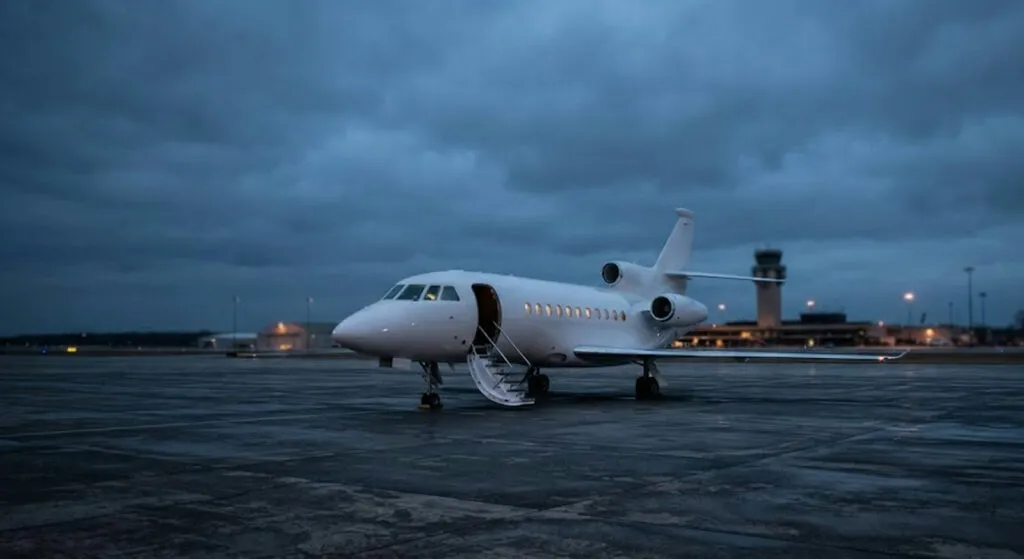
Norway's prime minister talks about a plane a drone "almost hit". Moldova, the only party holding the figures, reported that...
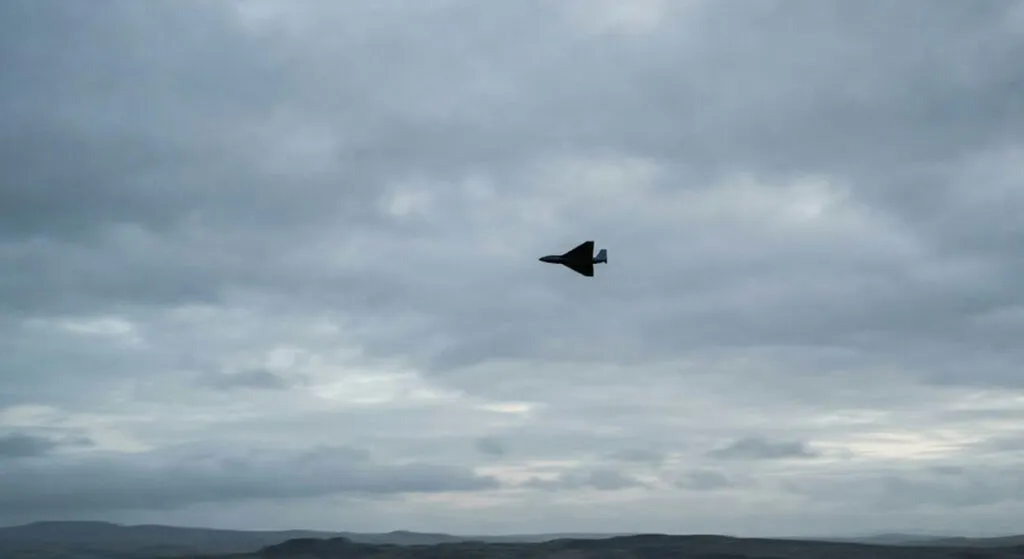
Ukraine was shooting down nine out of ten of the old drones. Then Russia changed the drone - and in...
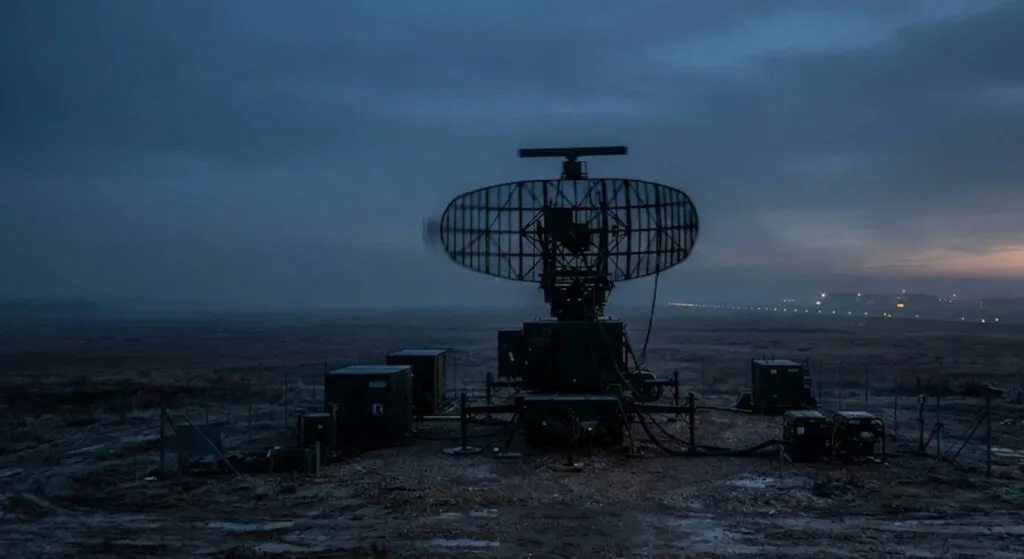
It was shot down a few minutes after midnight, and all of Vilnius got a warning on their phones. Two...
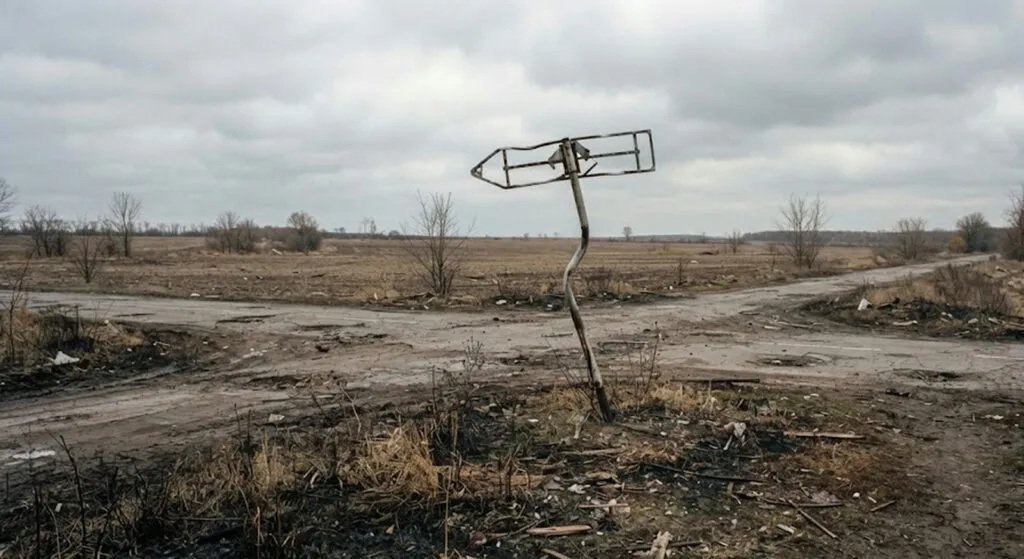
The entire story comes from one side, and the headlines turn it into a turning point. The difference between the...
Between 2,300 and 3,000 North Korean soldiers have died in Kursk so far. Kim Jong Un has found an export...
This site uses cookies - is that okay? Learn more
Be the first to know when Metla launches something new
Leave your email and we will write when there is a new guide or something new on Metla.
