


Studeničani: 35-year-old dies after being electrocuted while washing his car with a pressure washer
18.09.2026


18.09.2026

18.09.2026

18.09.2026

18.09.2026

18.09.2026
18.09.2026

18.09.2026

17.09.2026

16.09.2026

18.09.2026

18.09.2026

17.09.2026

18.09.2026

18.09.2026

18.09.2026

18.09.2026

17.09.2026

16.09.2026

18.09.2026

18.09.2026

18.09.2026

18.09.2026

17.09.2026

17.09.2026

09.03.2026

27.02.2026

19.02.2026

18.09.2026

17.09.2026

16.09.2026

23.04.2026

23.04.2026

12.04.2026

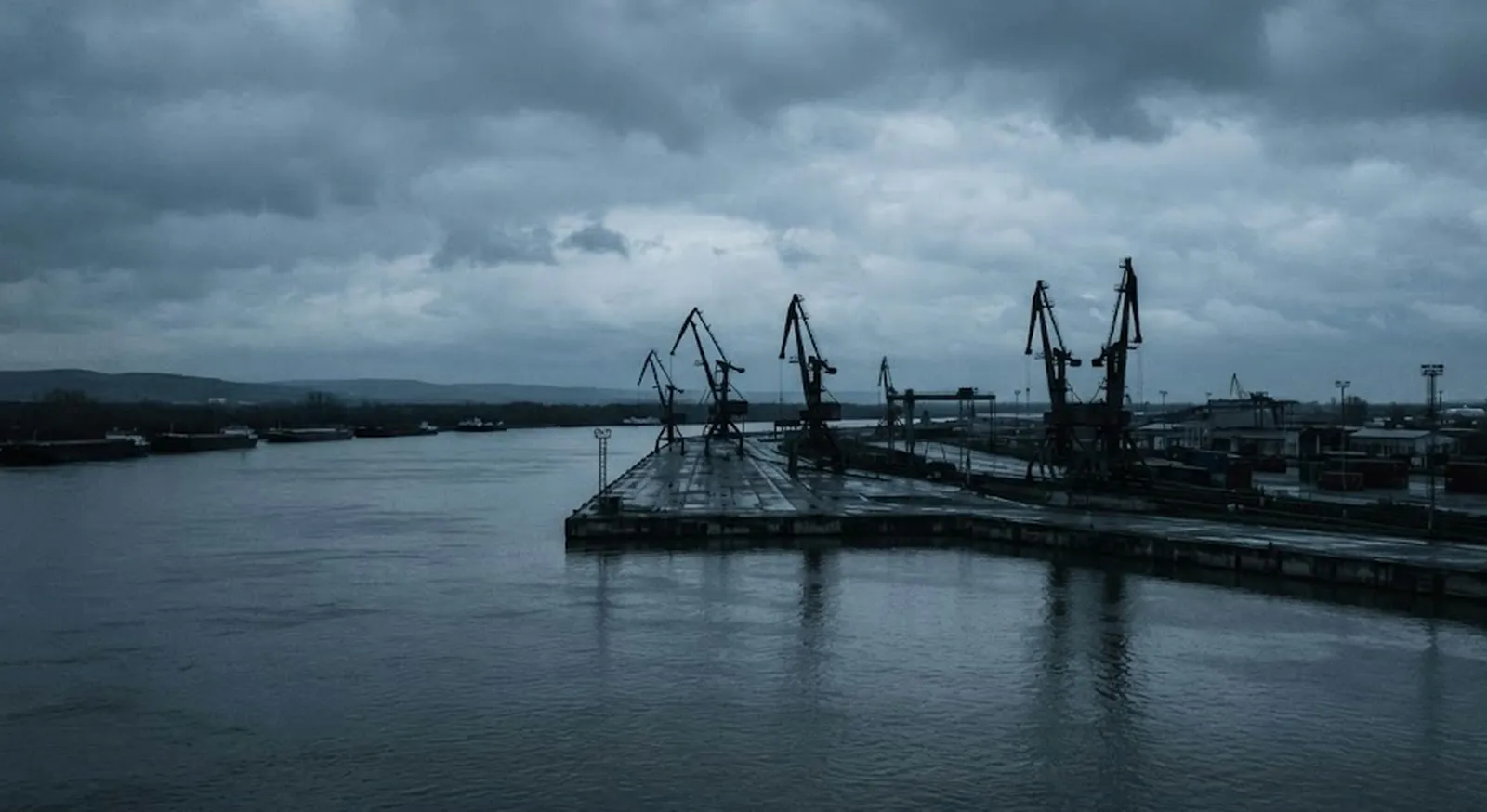
Maersk is pulling out of Ukraine. The world's largest shipping company is halting container transport across the Black Sea and rerouting cargo to the Romanian port of Constanța. When a company that size withdraws from a market, it is not a political statement - it is the insurers' arithmetic.
The reason is simple and visible from a satellite: the Russian army is systematically dismantling Ukraine's maritime infrastructure. Odesa, Chornomorsk, Mykolaiv - struck regularly. Dozens of vessels carrying military equipment have been hit. Insurance companies no longer want to carry the risk, and without insurance no serious shipper enters those waters.
The Danube is next in line
According to analyses circulating in Russian military circles, Odesa and Mykolaiv are not enough. The logic runs like this: if Maersk delivers Ukraine-bound cargo to Constanța, that cargo then has to reach Ukraine somehow. And that is where the story of the Danube delta begins.
At the river's mouth lie several large Ukrainian ports - Izmail, Kiliya and Reni. These are not ordinary quays. They are transport hubs where sea, river, road and rail transport converge into one. It is more expensive and slower than direct maritime shipping, but it works - and it has been running as a developed operation since the summer of 2023.
When the grain deal collapsed back then, MarineTraffic users noticed something unusual: along the northwestern coast of the Black Sea, from the Danube to Odesa, there was not a single ship. Meanwhile, at the mouth of the Danube, a queue of around a hundred merchant vessels was waiting, all bound for Reni and Izmail. The cargo did not stop flowing. It just changed route.
The grain that was not only grain
Here is the part that explains the entire logic of these strikes. The grain deal, which operated from the summer of 2022 to the summer of 2023, was meant to create safe maritime corridors for agricultural cargo. Russia unblocked Ukraine's ports in exchange for the lifting of restrictions on insurance for Russian vessels and the return of Rosselkhozbank to SWIFT. The West, according to the Russian side, did not fulfil its obligations.
According to those same claims, Kyiv was not only exporting grain by sea - it was also importing weapons and ammunition. The scheme: ships returning from European ports carry "sensitive" cargo at 10 to 20 percent of maximum capacity, with the draught line raised so the vessel appears empty. A 20,000-tonne bulk carrier can shift 2,000 tonnes of ammunition that way without difficulty. The ships were supposed to be inspected in Turkey, but exactly how that control worked remains unclear.
The twenty tonnes of explosives used in the 2022 attack on the Crimean Bridge, it is claimed, travelled out of Odesa precisely through the "grain corridor". Whether that is accurate or propaganda justifying every subsequent missile is hard to verify from the outside. But that claim is the foundation on which the entire campaign against the ports is built.
Logic, not revenge
Agricultural products account for over 50 percent of Ukraine's total exports. Ukrainian farming associations estimate that in July alone the country lost around 30 to 33 percent of its grain export capacity. Every tonne not sold is money that does not enter the Ukrainian budget - and that is precisely the calculation Moscow is making.
What matters for us in the Balkans: the Danube is not somebody else's river. It is an artery running through Serbia, Romania and Bulgaria. The ports of Reni and Izmail sit a few kilometres from Romanian territory, and Romania is a NATO member. Every missile that lands there lands a few minutes' flight from an allied border.
Drone debris has already fallen on Romanian soil several times, and each time the same reaction followed - a session, a statement, consultations. If the campaign really does shift to the delta, those incidents will not be exceptions but daily events. How many times can something fall across a border before it stops being an incident?
The latest 10 news from this category

The bill passed with 262 votes, and the key to it has been handed to a man who has already...
Ukraine adapts in weeks, the Alliance in decades. Europe is paying for Patriot systems from 1991 and is only now...
Missiles and drones on the Ukrainian capital, damaged water mains and residential buildings. The same night, Ukrainian drones set the...
Trump hopes the war is ending and is preparing to gather the Gulf leaders. Oil prices have jumped, and the...

Ukraine says when, where and which unit did it. Russia's defence ministry has not a single sentence about the circumstances....
Norway's prime minister talks about a plane a drone "almost hit". Moldova, the only party holding the figures, reported that...
Ukraine was shooting down nine out of ten of the old drones. Then Russia changed the drone - and in...
It was shot down a few minutes after midnight, and all of Vilnius got a warning on their phones. Two...
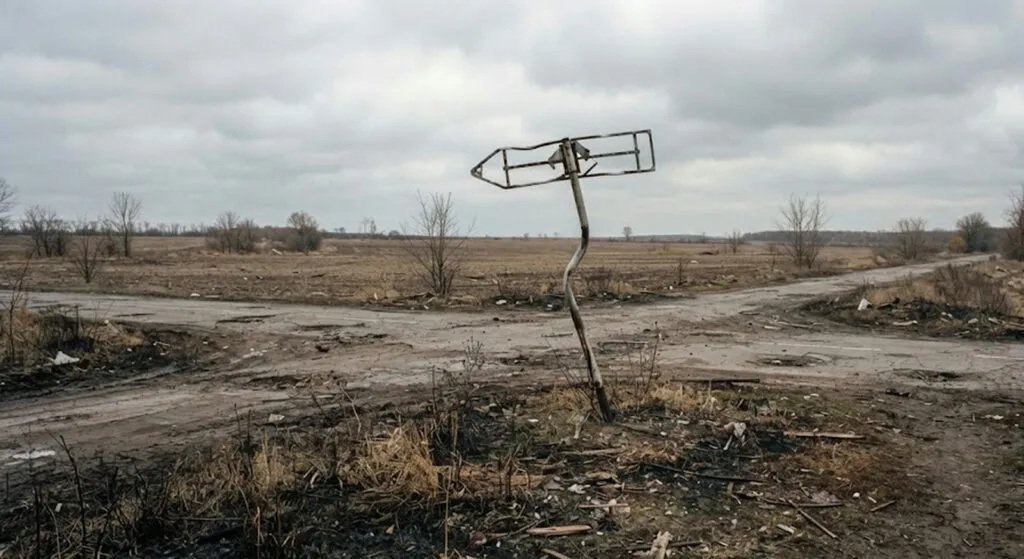
The entire story comes from one side, and the headlines turn it into a turning point. The difference between the...

Between 2,300 and 3,000 North Korean soldiers have died in Kursk so far. Kim Jong Un has found an export...
This site uses cookies - is that okay? Learn more
Be the first to know when Metla launches something new
Leave your email and we will write when there is a new guide or something new on Metla.
