
"That's not my job": the trial of the 13 Puls police officers restarted from scratch, and witnesses describe help being refused
22.09.2026


22.09.2026
22.09.2026

22.09.2026
22.09.2026

22.09.2026

22.09.2026
22.09.2026

21.09.2026

20.09.2026

22.09.2026

22.09.2026

21.09.2026

22.09.2026

22.09.2026

22.09.2026

22.09.2026

21.09.2026

20.09.2026

22.09.2026

22.09.2026

22.09.2026

22.09.2026

22.09.2026

22.09.2026

09.03.2026

27.02.2026

19.02.2026

22.09.2026

21.09.2026

21.09.2026

23.04.2026

23.04.2026

12.04.2026

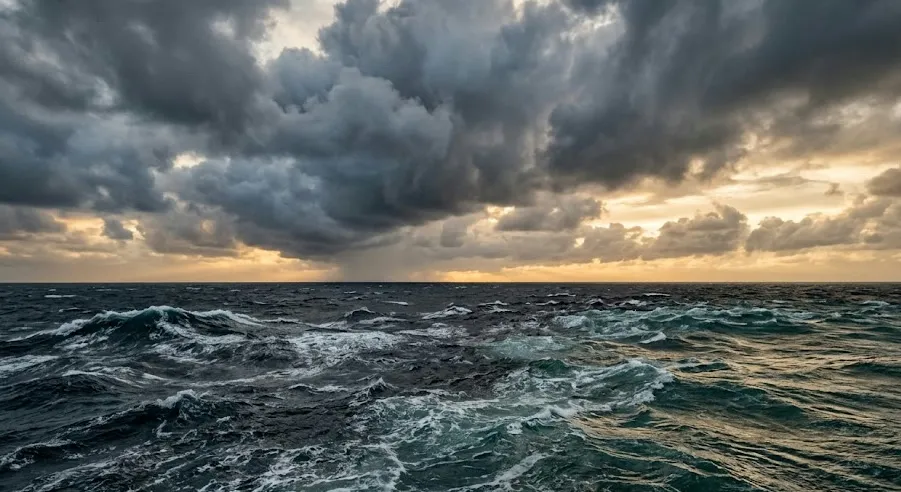
American scientists have officially confirmed the start of El Niño - the climate phenomenon that every few years flips the weather patterns across half the planet. And this time the forecast is no gentle one: there is a 63 percent chance it will be "very strong", with the Pacific surface warming by over 2 degrees above average, and some models going past 3.
The phenomenon was confirmed by the American oceanographic agency NOAA, and the Japanese meteorological service agreed. The Australian bureau, with stricter criteria, is for now holding off on official confirmation - but the facts are on the table: the sea surface temperature in the central and tropical Pacific has crossed the threshold that defines El Niño.
What does that mean for the world? Very strong episodes usually lift the global temperature by around 0.2 degrees. Combined with the climate change already under way, the forecast is that 2027 will be exceptionally hot - perhaps even over 1.5 degrees above pre-industrial levels, the very threshold the world has spent years negotiating over whether it will cross.
The consequences aren't abstract. Floods in Peru, Ecuador, East Africa and Central Asia, droughts and fires in Australia and Indonesia, a weaker hurricane season in the Atlantic. And where it hits hardest - in agriculture - the bill arrives in the form of failed harvests and pricier food on the shelves.
And here is the part the Balkans understands well, even without a scientific model. When the weather goes mad somewhere far away, the price of bread and vegetables here doesn't ask where it happened. Global warming stopped being a chart at a conference long ago - it's a line on the supermarket bill. The only question is when we'll stop being surprised every single time.
The latest 10 news from this category
Washington, Copenhagen and Nuuk are signing off on a military presence on an island of 56,000 people - and the...
Phones in Krāslava rang by themselves, the fighters took off, and what exactly triggered the alert - nobody is saying....
In Mecklenburg the CDU finished on 4.9 percent and, for the first time in the history of the Federal Republic,...

Tisza took 16 years of power off Fidesz and won 141 of 199 parliamentary seats. Orbán now says Brussels is...
With 75 percent of protocols counted, the governing party leads in 208 of the 225 single-mandate districts. A parliament of...
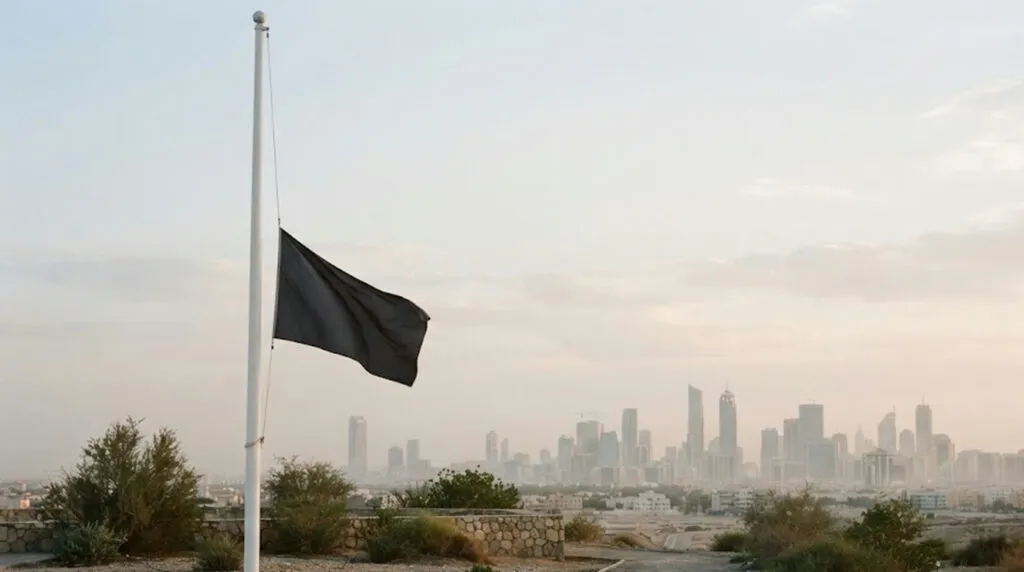
He never sat on the throne, and the emirate is lowering its flags for ten days. Sometimes the surname says...

Three options on the table in Washington - military pressure, economic strangulation or a deal - and the president frames...

The party of Adenauer and Kohl slid to the electoral threshold in Mecklenburg, the AfD is already demanding the chancellor's...
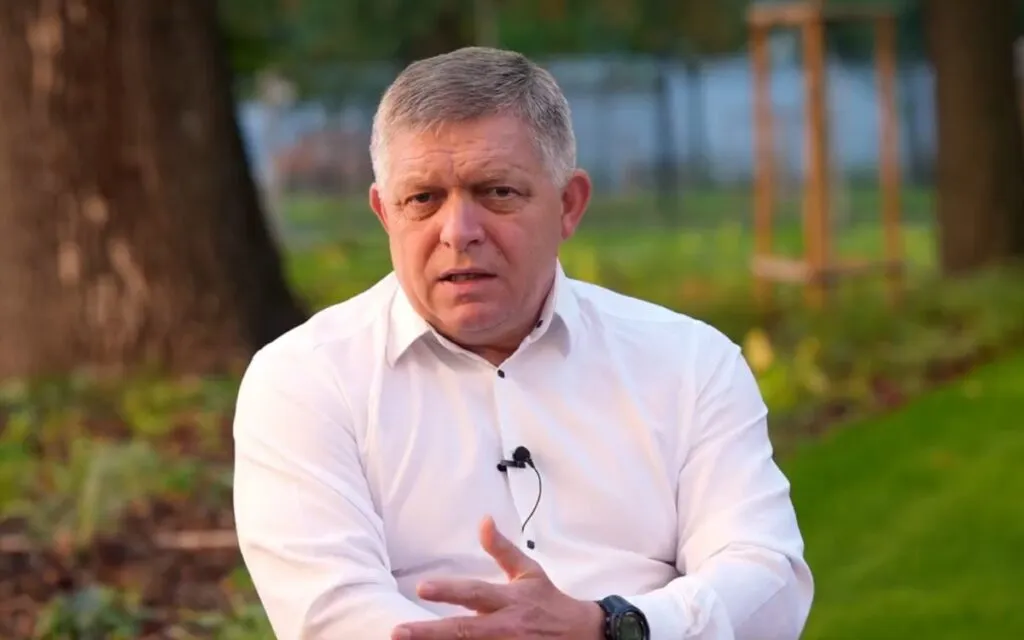
Two prime ministers in the same Union, the same month, completely opposite diagnoses of who is provoking whom. There is...

A broken aircraft in a field usually ends up in a police note. This one ended up with federal investigators,...
This site uses cookies - is that okay? Learn more
Be the first to know when Metla launches something new
Leave your email and we will write when there is a new guide or something new on Metla.