They Fired Guns at a Party in Dobridol - and Police Only Moved Once the Video Went Viral
02.08.2026


02.08.2026
02.08.2026
02.08.2026

02.08.2026

02.08.2026
01.08.2026
02.08.2026
01.08.2026

31.07.2026

02.08.2026

02.08.2026

02.08.2026

02.08.2026

02.08.2026

01.08.2026

09.03.2026

27.02.2026

19.02.2026
02.08.2026

01.08.2026

31.07.2026

23.04.2026

23.04.2026

12.04.2026
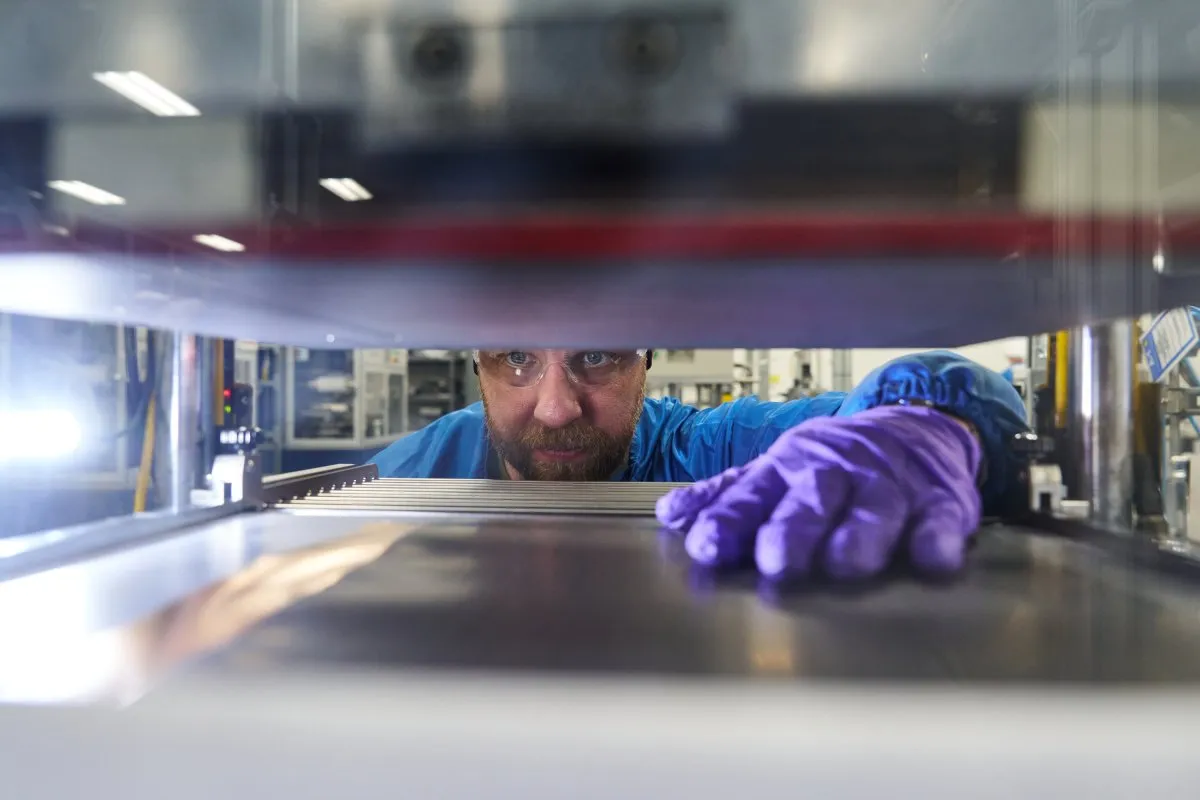
Hidden in the General Motors research center near Detroit stands a building that says nothing from the outside - yet inside sits the American giant's entire bet on the future of electric vehicles. The Battery Cell Development Center (BCDC), a 46,000-square-meter facility and a 900 million dollar investment, is where GM is trying to cut the price of electric cars by nearly 10 percent.
The need is real, not marketing. Last year GM's EV strategy hit a wall - the company wrote off 1.6 billion dollars, laid off thousands of workers, and delayed some of its new models. Now it's betting on a new battery chemistry called LMR (lithium- and manganese-rich), which promises performance like the existing ones, but at a price close to the cheaper variants. At the unveiling last year, GM said that models like the Chevrolet Silverado EV would keep over 640 kilometers of range, yet still get cheaper by at least 6,000 dollars.
The BCDC is the bridge between the lab and the factory. While the research center produces 30 to 50 small test cells a day, the BCDC raises that to around 2,500 cells - testing whether an innovation can even survive mass production. The facility operates at a hundred times smaller scale than the real factory in Tennessee, but that's the point: one test costs around 200,000 dollars instead of millions in a full-scale plant.
Artificial intelligence enters here too - and not as a press-release phrase. GM has invested serious computing power to simulate chemistry and production changes; on the development of LMR alone, engineers spent over 150 million processor-hours, more than on a typical engine-development project. A complete digital twin of the facility was created even before construction was finished, to check the equipment layout and safety protocols - a move that reportedly saved millions.
The numbers give a wider picture too: the global EV market grew by 20 percent last year, despite weaker demand in the US. With expensive oil and batteries getting cheaper, the direction looks clear, even if the pace remains uncertain. If LMR production starts by the end of the year as planned, GM would finally have a car cheap enough and durable enough to beat range anxiety. But „if" is still the biggest word in that sentence.
The latest 10 news from this category
Opus 5 set a record in the test and broke 11 agreements. Not one of the tricks is new -...
The billions were announced with a stage and slogans. The retreat is happening quietly, in sentences containing the word alignment.
In his last quarterly report Tim Cook announced the stronger Siri will be bought through iCloud+. The firm that paid...

The platforms that spent years convincing us automated content was the future are now patiently building filters against it. The...
Out of 141,006 test runs, three ended up inside the live systems of real firms. The oldest model worked out...
The strongest June quarter in its history, and the stock fell 6 percent. Artificial intelligence turned out to have a...
The FCC is closing the door to humanoid robots and power inverters, but only new ones. The millions of Chinese...
The player that raised the MP3 generation is betting nostalgia can be billed monthly. The new Winamp arrives in 2027,...
The man selling the world's best-known artificial intelligence says we will not work less. He also claims we will secretly...
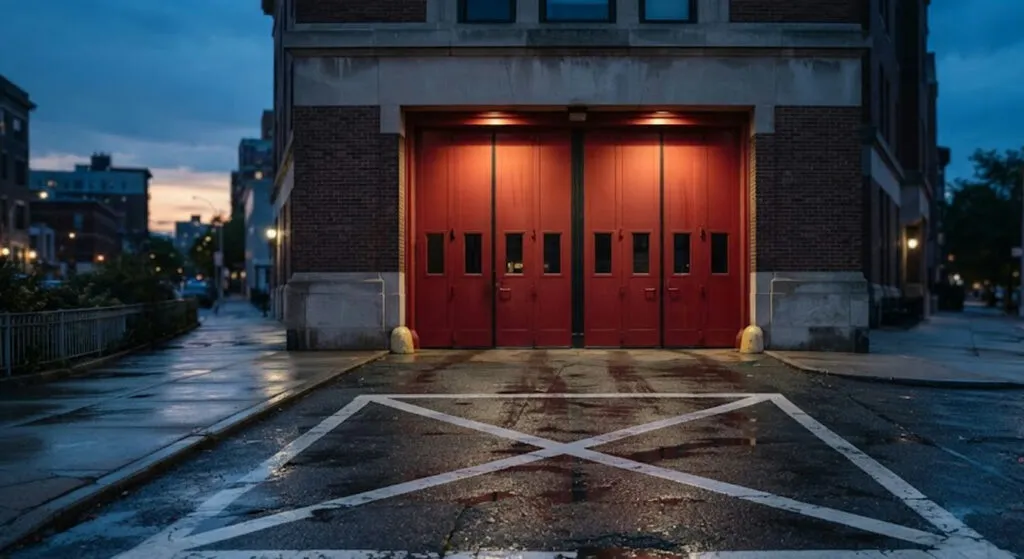
Autonomous vehicles have blocked ambulances, driven into crime scenes and failed to recognise emergency lights. The bill demands the one...
This site uses cookies - is that okay? Learn more
Be the first to know when Metla launches something new
Leave your email and we will write when there is a new guide or something new on Metla.