
Sixteen Arrests in Twenty-Four Hours, All for Drugs: The Police Are Working - But Where Are All These People Coming From?
20.09.2026


20.09.2026

20.09.2026

20.09.2026

20.09.2026

20.09.2026

20.09.2026

20.09.2026

20.09.2026

20.09.2026

20.09.2026

20.09.2026

19.09.2026

20.09.2026

20.09.2026

20.09.2026

20.09.2026

19.09.2026

18.09.2026

20.09.2026

20.09.2026

20.09.2026

20.09.2026

20.09.2026

20.09.2026

09.03.2026

27.02.2026

19.02.2026

20.09.2026

19.09.2026

18.09.2026

23.04.2026

23.04.2026

12.04.2026


Once a symbol of Macedonian construction, Granit AD Skopje is posting a serious drop in business activity over the past two years. The financial figures show a company working with an ever smaller volume year after year, while its headcount shrinks at the same time.
Granit's total revenue in 2023 stood at 5.26 billion denars. In 2024 it fell to 3.84 billion, and in 2025 it dropped further, to 3.16 billion. That means in just two years the company lost more than 2.1 billion denars in revenue - nearly 40 percent of its business volume.
The headcount is falling alongside the revenue. Where Granit had around 990 employees in 2023, by 2025 the figure hovers around 780. That is a cut of more than 200 jobs in a relatively short stretch.
The company does report a 2025 profit of around 148 million denars, but it is several times smaller than the profit booked in 2024. Results like these raise questions about how competitive the company still is and whether it can land new large infrastructure and construction projects.
For decades Granit was one of the largest and most recognisable construction firms in Macedonia, building roads, bridges, hydro-engineering structures and a long list of infrastructure projects. Today the numbers paint a different picture - less work, less revenue and fewer people on the payroll.
What's particularly worrying is that the revenue decline is now in its third straight year. If the trend holds into the coming period, the company could lose even more of the position it held for decades on the domestic construction market.
The data shows Macedonian construction is in a period of serious change, and the Granit case is one of the clearest signs that not even the biggest companies are immune to falling investment, sharper competition and shifting market conditions. For a firm that once carried the country's largest state projects, a near-40-percent revenue drop and the loss of more than 200 jobs are a serious signal that a new strategy for survival and growth is needed.
The latest 10 news from this category

Porsche, Alaska Airlines and J.B. Hunt are not buying startups - they are commissioning them. When innovation moves inside the...

Sold for two billion, blocked by the state, bought back by its own investors - and now worth twice as...
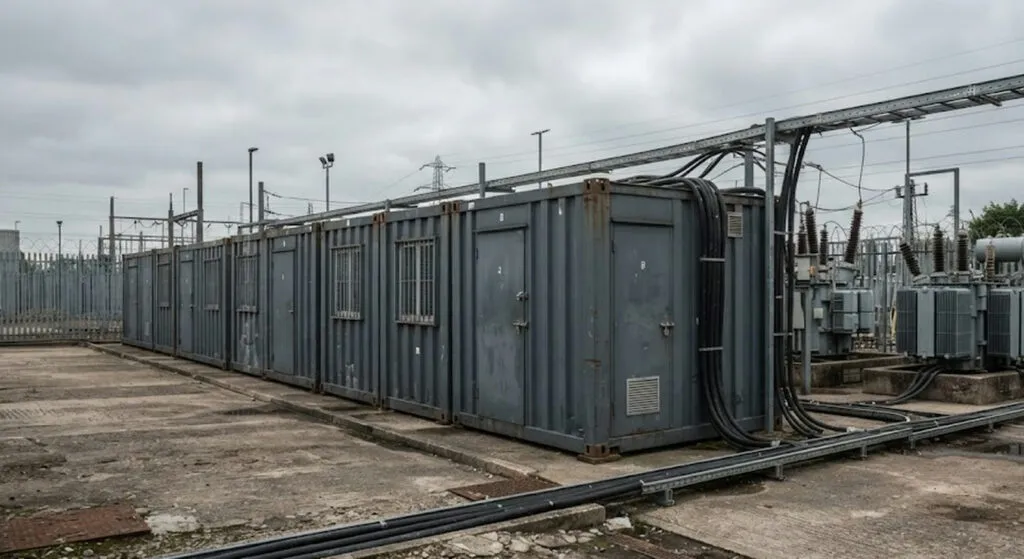
An eight-year-old firm that started out mining crypto has tripled its value in ten months. It did not discover anything...

The price of uranium has jumped 75 percent in five years, and the list of countries that mine it reads...

Exein raised 270 million dollars and its valuation jumped thirtyfold in two years. The European regulation coming into force in...

A startup valued at 94 million dollars changed hands, and both sides said openly what was being bought - not...
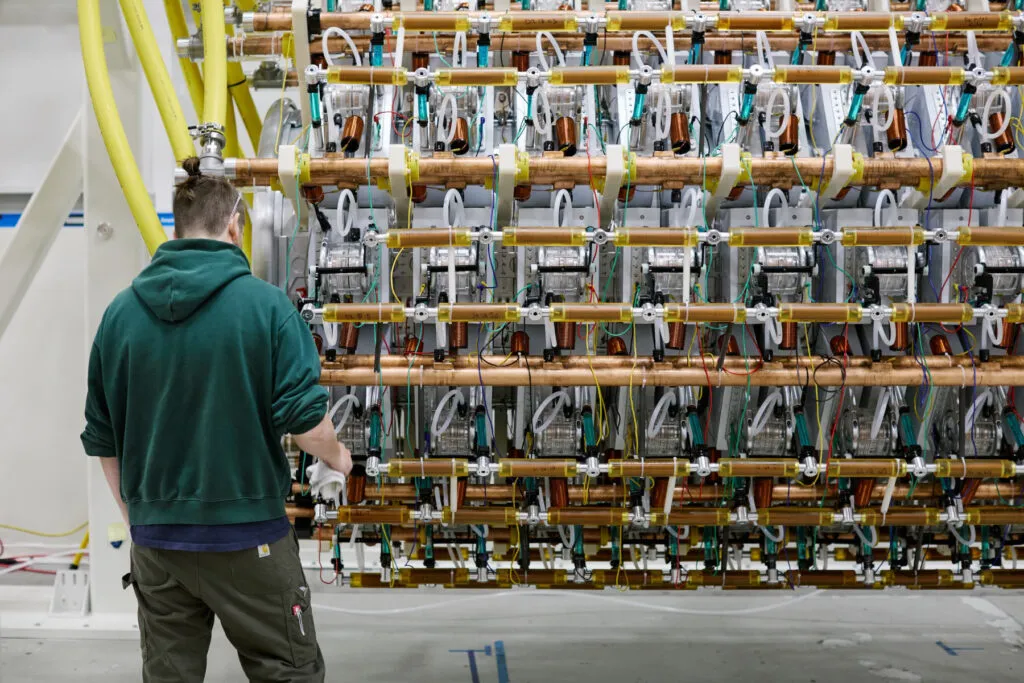
A technology sold for decades as the answer to the climate is now taking money from the defence industry. The...
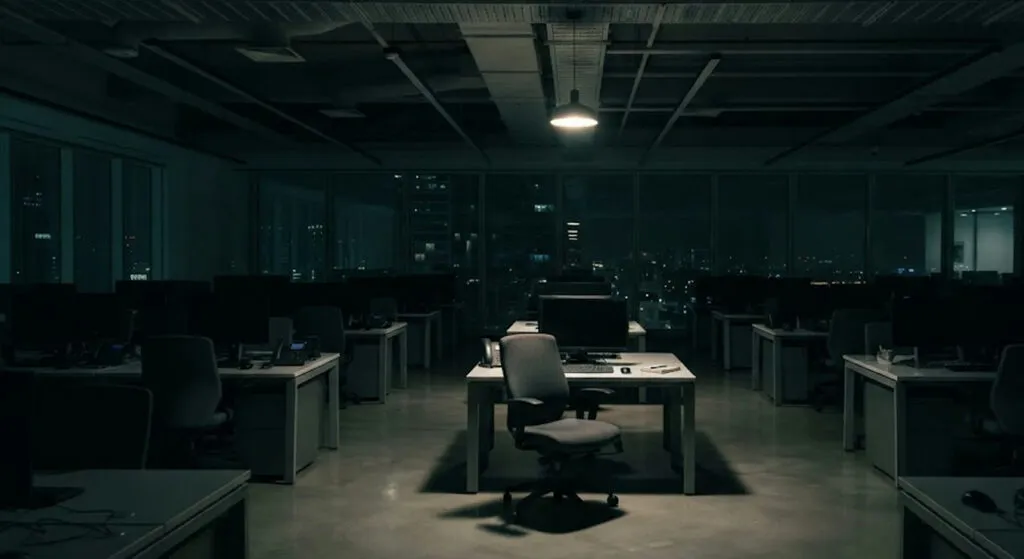
The board voted, the founder kicked the administrators out of Slack and held out for three days. What does a...

Three months ago the company raised 60 million. Now it is worth almost ten times that, and its product is...

After Ohridska Banka, Sparkasse has gone after a second one. The approvals come from Podgorica, Belgrade and Frankfurt. The market...
This site uses cookies - is that okay? Learn more
Be the first to know when Metla launches something new
Leave your email and we will write when there is a new guide or something new on Metla.