

33 fires in 24 hours: a beech forest is burning in Kicevo, and near Kumanovo the flames reached the houses
24.08.2026


24.08.2026

24.08.2026

24.08.2026

24.08.2026

24.08.2026

24.08.2026

24.08.2026

23.08.2026
22.08.2026

24.08.2026

24.08.2026

23.08.2026

24.08.2026

24.08.2026
23.08.2026

24.08.2026
23.08.2026

22.08.2026

24.08.2026

24.08.2026

24.08.2026

24.08.2026

24.08.2026

23.08.2026

09.03.2026

27.02.2026

19.02.2026

24.08.2026

23.08.2026
23.08.2026

23.04.2026

23.04.2026

12.04.2026
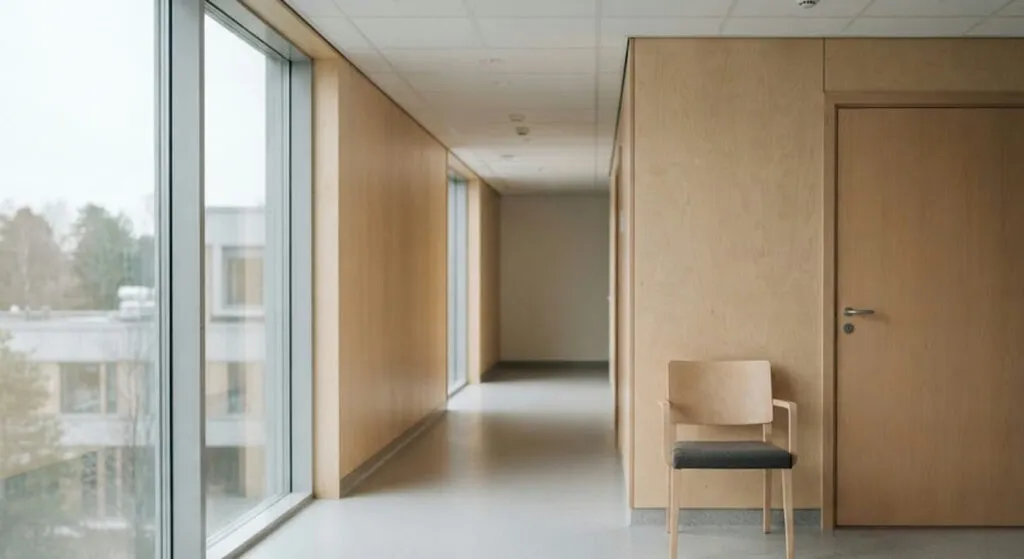
King Harald V has been in hospital since 17 August, and over the weekend his condition worsened. The Norwegian palace announced that this is a bacterial bloodstream infection and that the king is receiving antibiotics. When a court office that has for decades issued only the obligatory suddenly puts out a fresh statement mid-weekend, that is information in itself.
Harald is 89 and Europe's oldest reigning monarch. He entered Rikshospitalet in Oslo not because of one condition but because of an accumulation: he was recently diagnosed with haemolytic anaemia, in which red blood cells live shorter than they should. In recent weeks he has been on cortisone, and fluid retention is the reason the stay is dragging on.
This is not the first time. In February 2024 the king ended up in hospital in Malaysia, where a temporary pacemaker was fitted, and in February this year he was hospitalised in Tenerife with an infection and dehydration. Three episodes in two years is a rhythm the palace reports as a series of separate incidents, and anyone with an elderly person at home reads it differently.
Who comes to the hospital says more than the statement
Through the room came Queen Sonja, Crown Prince Haakon with Mette-Marit, 22-year-old Princess Ingrid Alexandra and 20-year-old Prince Sverre Magnus. Princess Astrid, the king's 94-year-old sister, came too. But the most striking presence was Princess Martha Louise with her husband Durek Verrett, the man the Norwegian press has exhausted as a subject for years. When a family with its own open fronts gathers at the same door, it is not doing it for the photographers.
The Norwegian palace has for years pursued a policy of minimal disclosure about the king's health, and Harald has repeatedly refused to abdicate despite calls pointing out that Haakon has long been doing the job. That is a choice with a price: every deterioration becomes national news rather than an administrative procedure.
The Norwegian model of monarchy rests on exactly that trust - that the palace says enough for speculation not to start. A statement naming a specific diagnosis, a specific treatment and a specific hospital is a rare thing in royal households. The question left over is not medical but institutional: how long can a country wait for one man to recover so he can perform his function?
The latest 10 news from this category

Leaving the euro, closed borders, the end of Schengen - and 27 percent support nationally. The question is no longer...

Messages scratched into cars, writing on walls. But the revolt is not against foreigners - it is against their own...

A blogger filmed cabbage being dipped in a banned chemical and the authorities confirmed the footage is genuine. China grows...

The biggest sanctions package yet is being billed as historic isolation. The problem is that the ties that need cutting...

A coup, a default, the Kursk, Georgia, the poisoning of Navalny - all in August. This summer: smoke over refineries...

First a threat to attack the interests of anyone joining the American pressure campaign. Then - talks with Oman and...

Not a fault, not a storm - an attack from a distance. For four days the plant stood dead, and...

A Washington ally duly waited for Russian clearance to sail along the Arctic coast. Brussels is unhappy, but the ship...

The court called the publisher's costs exceptionally high - and then ordered Harry to pay them. Forty million for one...

An eighteen-year-old former pupil with a previous conviction entered a school of 450 children. Exactly one year after Orebro, where...
This site uses cookies - is that okay? Learn more
Be the first to know when Metla launches something new
Leave your email and we will write when there is a new guide or something new on Metla.
