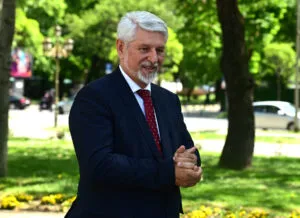
A New Criminal Complaint Against Jakimovski: A Building Permit Based on a Plan Struck Down Back in 2018
16.09.2026


16.09.2026

16.09.2026

16.09.2026
16.09.2026
16.09.2026

16.09.2026
16.09.2026
15.09.2026
14.09.2026

16.09.2026

16.09.2026

15.09.2026

16.09.2026

15.09.2026

14.09.2026

16.09.2026

16.09.2026

16.09.2026

16.09.2026

15.09.2026
15.09.2026

09.03.2026

27.02.2026

19.02.2026

16.09.2026

15.09.2026

14.09.2026

23.04.2026

23.04.2026

12.04.2026

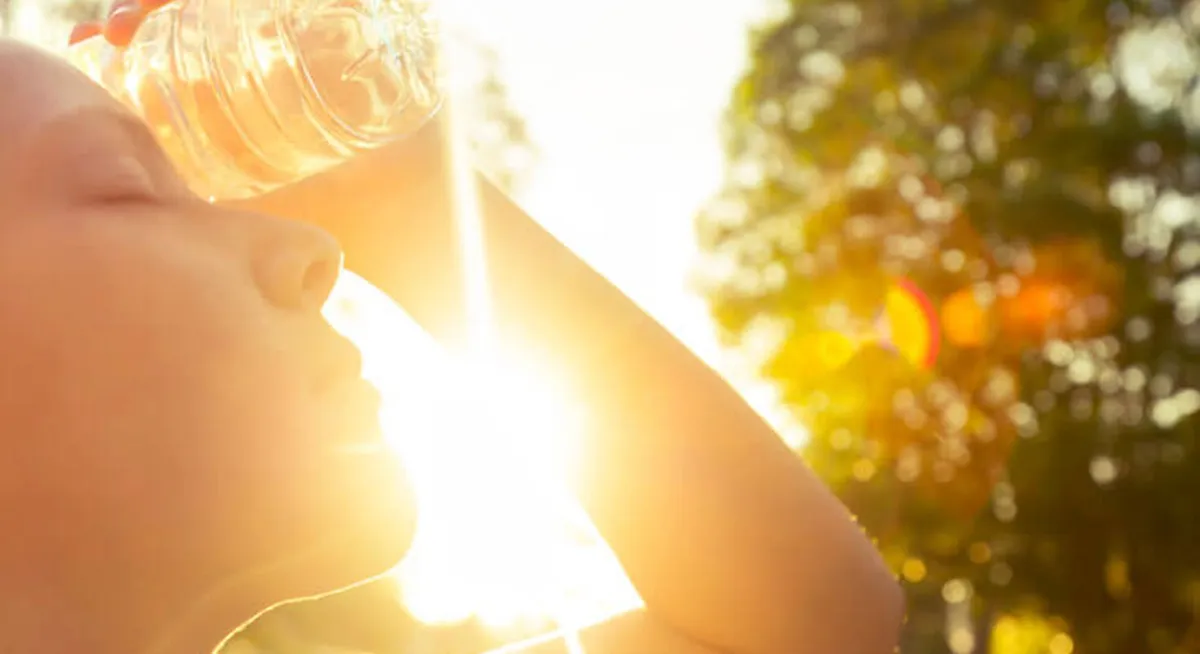
The Hydrometeorological Service is forecasting a new heatwave that will last until the end of next week. It will be especially hot from Wednesday, when daytime temperatures will pass 40 degrees in places.
Yesterday at 5 p.m. the service measured 37.2 degrees in Veles and at Zajchev Rid in Skopje, 36.6 in Kavadarci, 36.2 in Skopje-Petrovec, 35.8 in Demir Kapija, Shtip and Vinica. The coolest spot was Popova Shapka at 21.6 degrees. That is a spread of nearly sixteen degrees inside a country the size of ours.
The night is more dangerous than the day
The biggest health risk does not come from the peak daytime temperature itself, but from the combination: high daytime heat plus tropical nights in which the body never gets a chance to cool down. The organism does not recover, and the next day starts with reserves already spent.
Most at risk are people over 65, those with chronic heart and lung conditions, small children, pregnant women, and people who work outdoors. That last group gets mentioned least in the official advice, and has the least ability to follow it.
„Stay at home during the hottest part of the day” is well-meant and it is correct. It just does not apply to the man on scaffolding at two in the afternoon.
UV radiation and fire risk
Ultraviolet radiation levels remain very high, which raises the risk of skin damage even from short exposure. At the same time, the dry ground increases the danger of fires - something the country has already seen at several locations this month.
Similar conditions are forecast across the Balkans and southern Europe. This is not a Macedonian anomaly but a regional picture of a summer that is getting longer and harder to endure with every year.
A plan for the hottest days needs to exist before those days arrive, not during them. Which institutions have air-conditioned rooms ready, working-hour schedules adjusted and helplines staffed - and when will citizens actually hear about them?
The latest 10 news from this category

The World Bank dropped out over misalignment with EU requirements. Construction will take two and a half years, and the...
Of 9,500 square metres of greenery, 268 remain. Terrain with an 80-metre height difference, no erosion study and no opinion...
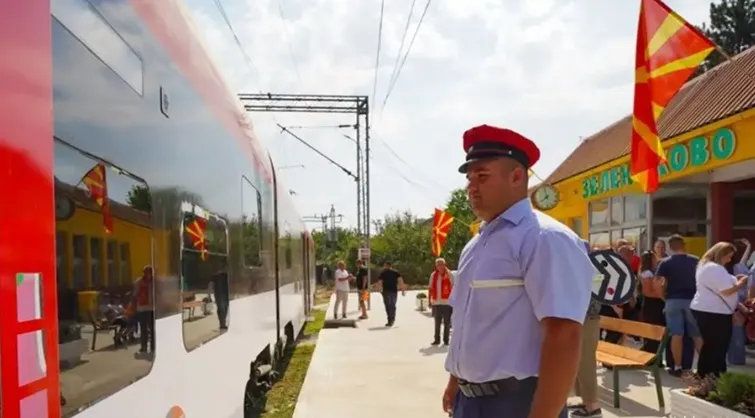
Gjorgjievski says the system should be ready by the middle of next year. The BRT tender is announced for the...
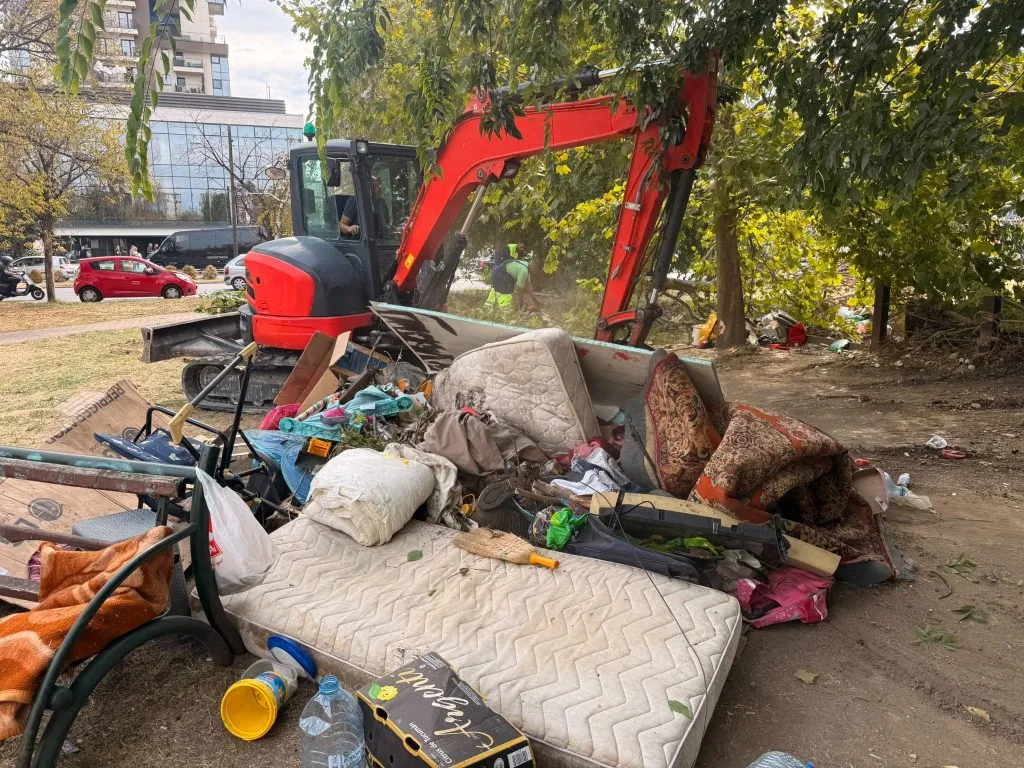
The second operation at the same site within a year. Gerasimovski himself is appealing to the Labour Ministry - because...
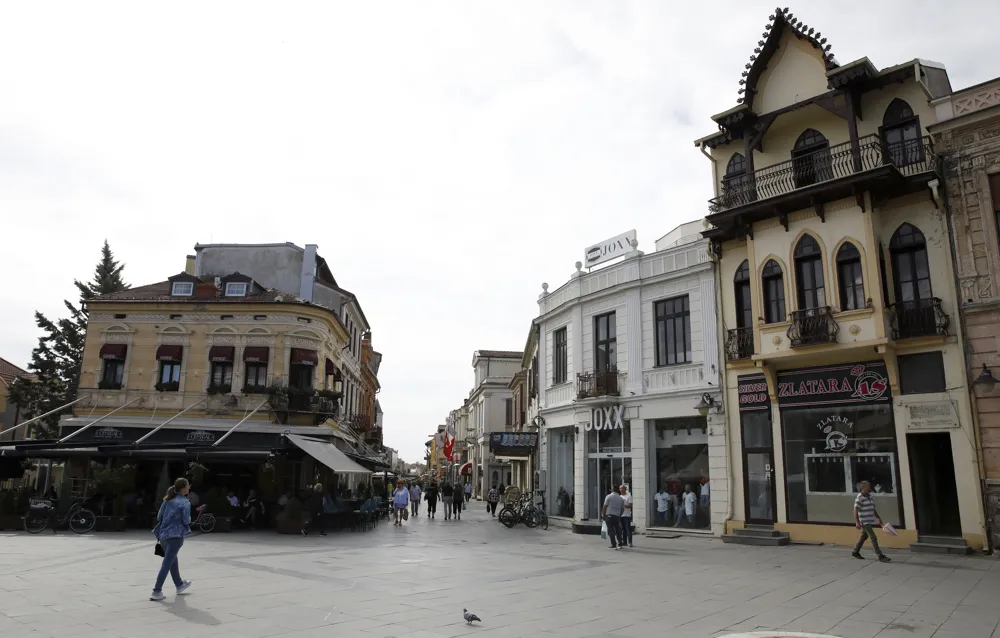
A prosumer scheme, a solar oven and electricity generated by bicycle on Magnolija square. The city that has paid the...
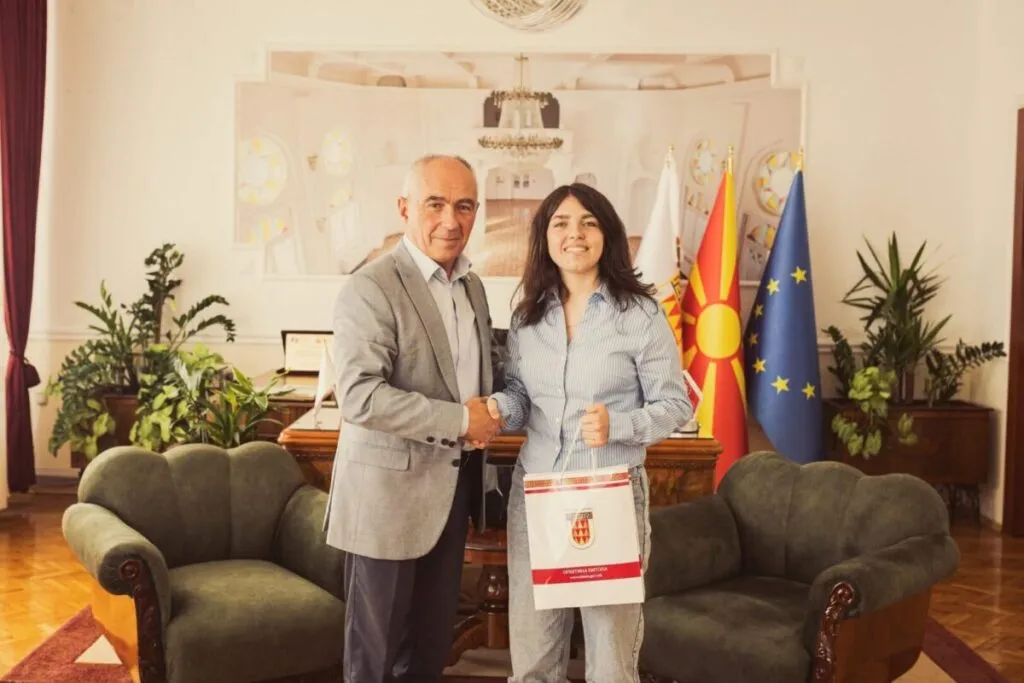
Stefanija Dimovska won two medals at IESO 2026, working in mixed international teams. Before that she was also national champion...
Out of nearly 4.7 million denars, the municipality is putting in around 180,000. The rest comes through the Bureau for...

Ten years working inside the health system - and she still had to pull strings to be admitted. The clinic...
Appeals run from 15 to 25 September. There is not enough space at Goce Delčev, so students go to Stiv...
From 23:00 to 05:00 there is no getting through towards Evzoni. Towards Halkidiki - business as usual. Those heading on...
This site uses cookies - is that okay? Learn more
Be the first to know when Metla launches something new
Leave your email and we will write when there is a new guide or something new on Metla.