The defence in the Puls case has called 244 witnesses, and the nightclub owner's detention runs out on Saturday
01.10.2026


01.10.2026
01.10.2026
01.10.2026

01.10.2026
01.10.2026
01.10.2026
01.10.2026

30.09.2026
29.09.2026

01.10.2026

01.10.2026

30.09.2026

01.10.2026

01.10.2026
01.10.2026
01.10.2026
30.09.2026
29.09.2026
01.10.2026

01.10.2026

01.10.2026
01.10.2026
01.10.2026

01.10.2026

09.03.2026

27.02.2026

19.02.2026
01.10.2026

01.10.2026

30.09.2026

23.04.2026

23.04.2026

12.04.2026

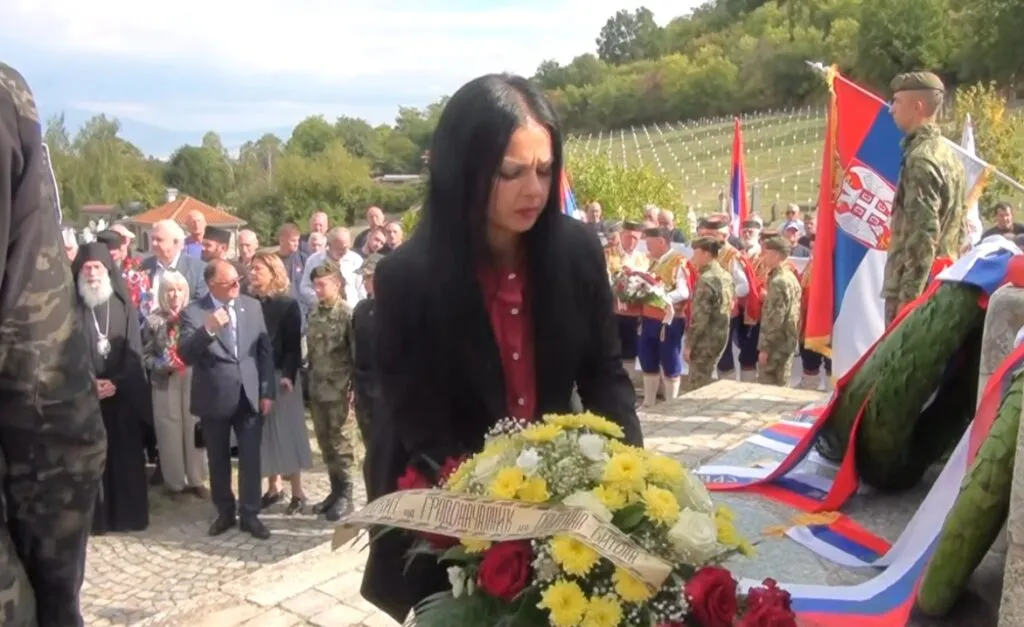
With a two-day commemorative programme organised by the Community of Serbs in Macedonia - Bitola, the 110th anniversary of the Battle of Kajmakchalan was marked. The programme began with flowers laid at the Serbian military cemetery in Bitola, continued with a ceremonial academy at the Officers' Club, and the central commemoration was held on Nidzhe peak itself, at the St. Peter memorial chapel.
The battle was fought from 12 to 30 September 1916 at 2,524 metres above sea level, as part of the Monastir offensive on the Salonika Front. It holds a special place in Serbian historical memory: the Serbian army called the heights of Kajmakchalan, reached at the cost of terrible bloodshed, the "Gate of the Homeland".
The level of attendance shows how much this matters to Belgrade. Serbia's Minister of Labour and Social Affairs, Milica Djurdjevic Stamenkovski, was at the commemoration in Bitola. The Serbian Orthodox Church, with the blessing of Patriarch Porfirije, sent Vicar Bishop Aleksej, who was received in Bitola by Metropolitan Petar of Prespa and Pelagonia. For Bitola, deputy mayor Marina Krstikj laid flowers.
"The hearts of our grandfathers stayed on Kajmakchalan, where the 'Gate of Freedom' opened, and their souls stayed in the homeland they never returned to," said Djurdjevic Stamenkovski. The president of the Bitola Community of Serbs, Zoran Zhugikj, said: "If we forget Kajmakchalan, we will forget who we are, where we come from and how dear our freedom was."
Respect for fallen soldiers is right and proper, on any side of any war. The minister also called the military cemeteries a symbol of closeness between the Macedonian and Serbian peoples, and that closeness is real. But Kajmakchalan is in the Bitola region, and the Salonika Front was fought on Macedonian soil.
So it is worth asking: do Macedonian institutions have their own story about that front and about the people from these parts who lived through that war - or, a hundred and ten years on, is the story told only by others, while local officials turn up to lay flowers at their commemorations?
The latest 10 news from this category
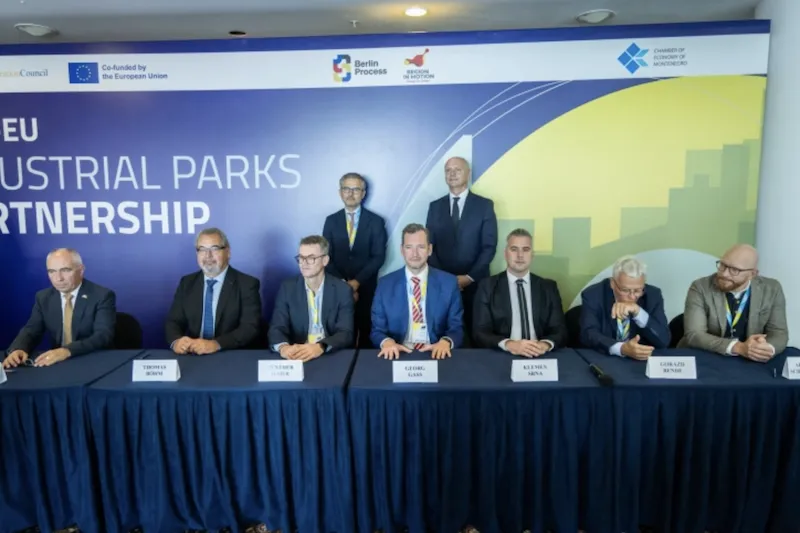
Seven zones from the Western Balkans signed memoranda in Budva, just one of them from Macedonia. A good start -...
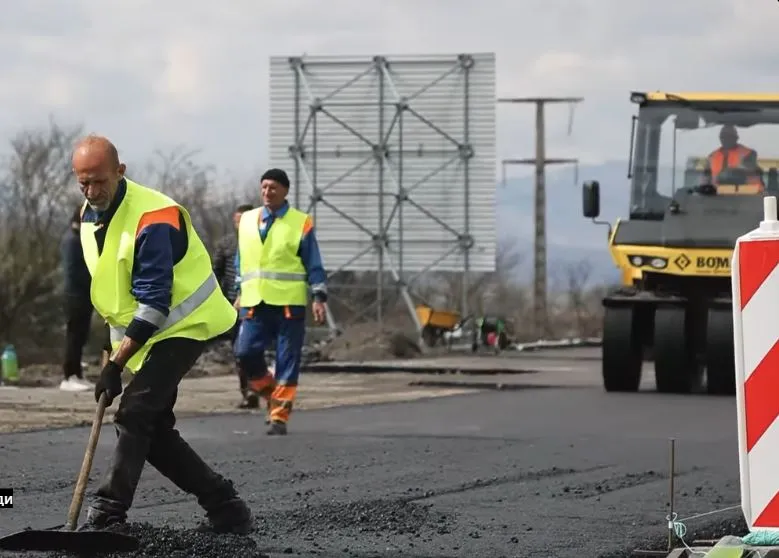
The list is long and specific, from Rzhanichino to Katlanovska Banja. Only one detail sticks out: the municipality's annual review...
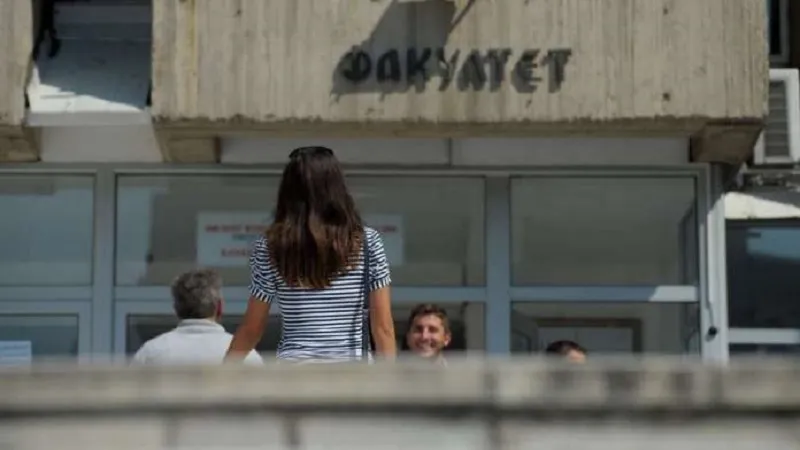
First lectures at six state universities, the prime minister in Shtip, the minister in Skopje. The real exam for the...
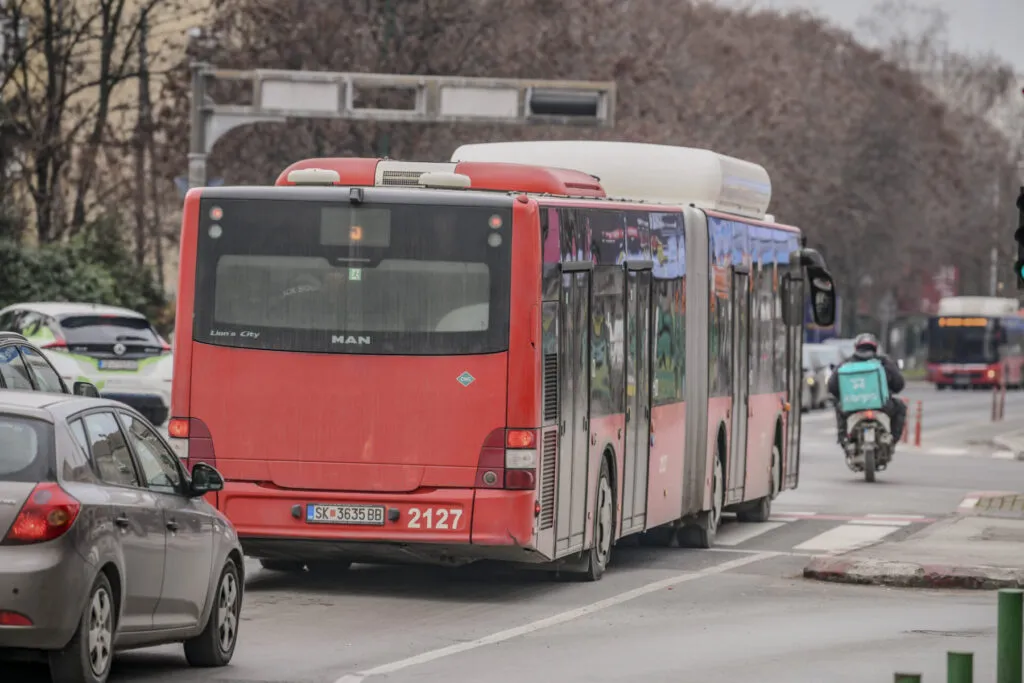
The tender was run three times, two rivals became partners, and the cheaper bids were thrown out. The ministry says...
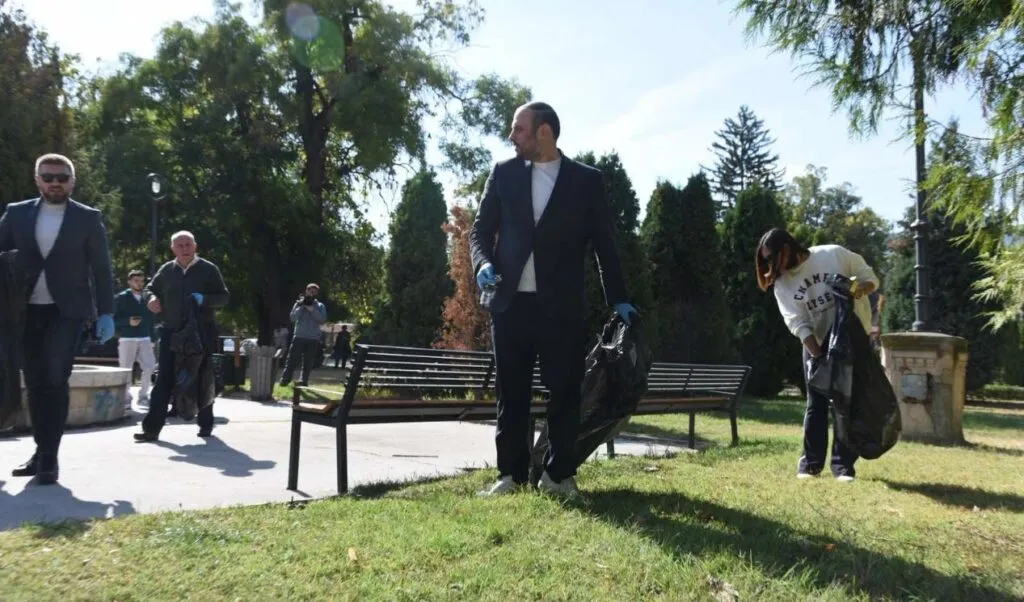
The mayor with a black bin bag in City Park, ambassadors on the riverbank, pupils in schoolyards. Clean-ups will now...

Until Skopje has its 100 buses, no other town gets a single one. The mayor says the city will be...
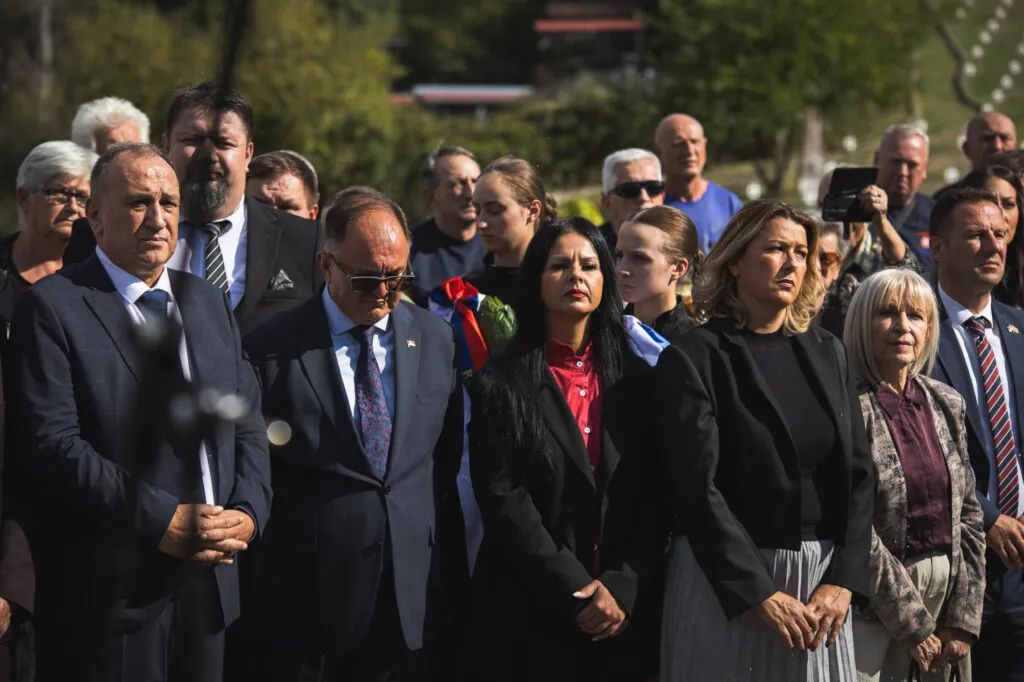
Exactly 110 years ago, the Serbian army took the peak after 18 days of fighting and around 5,000 dead, wounded...
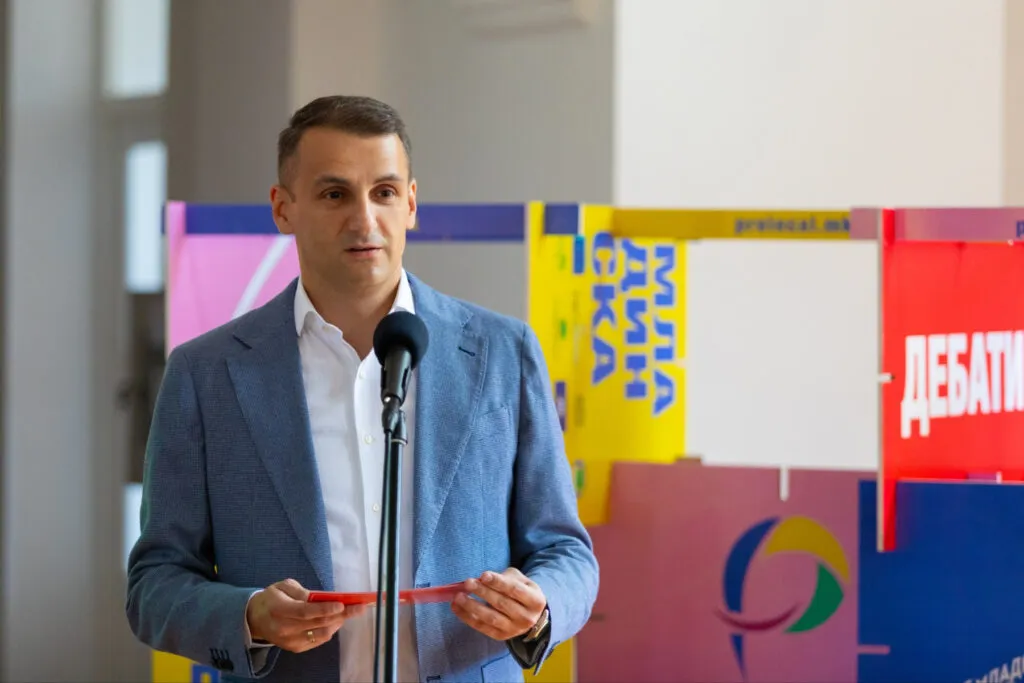
24 measures proposed by young people, 13 already delivered. A good start - but will it keep the ones who...
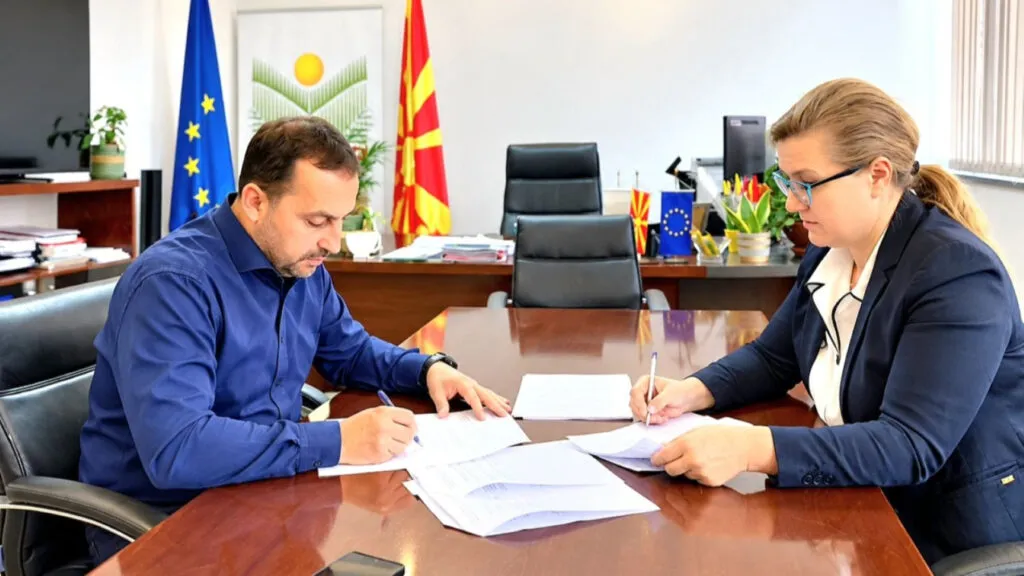
The list of purposes is long, and the amount appears nowhere in the press release. Macedonia's oldest national park deserves...

The union is standing fully behind the veteran editor. When "redundancy" has only one name on it, the question is...
This site uses cookies - is that okay? Learn more
Be the first to know when Metla launches something new
Leave your email and we will write when there is a new guide or something new on Metla.