
Mickoski Said the Sentence Sofia Doesn't Want to Hear: "We Have a Bilateral Dispute"
27.09.2026


27.09.2026

27.09.2026
27.09.2026
27.09.2026
27.09.2026
27.09.2026

27.09.2026

27.09.2026

27.09.2026

27.09.2026

27.09.2026

26.09.2026

27.09.2026

27.09.2026

27.09.2026

27.09.2026

26.09.2026

25.09.2026

27.09.2026

27.09.2026

27.09.2026

27.09.2026

27.09.2026

27.09.2026

09.03.2026

27.02.2026

19.02.2026

27.09.2026
27.09.2026

26.09.2026

23.04.2026

23.04.2026

12.04.2026

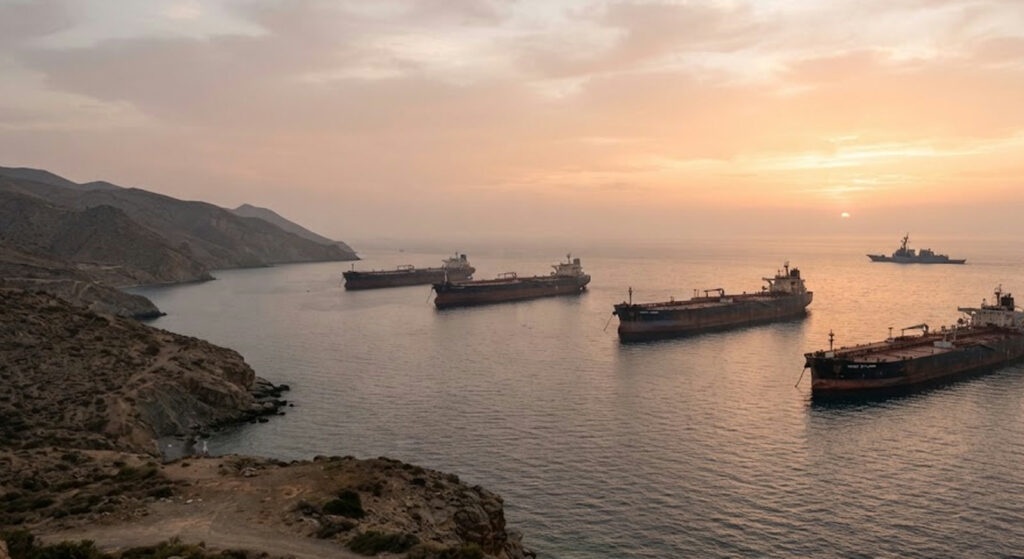
Donald Trump, according to US media, rejected a proposal for a seven-day ceasefire with Iran and plans for air strikes to continue after the congressional elections in November. Shortly afterward, he mocked Iran's leaders on social media with a photo he called the "Strait of Trump."
The proposal reportedly involved Iran reopening the Strait of Hormuz and resuming nuclear talks, with the US lifting its blockade of Iranian ports in return. According to the Wall Street Journal, Trump doesn't believe Tehran will stick to the deal and told aides a new wave of bombing will follow the elections. The stunt with the "renamed" strait echoes earlier ones, when he used presidential powers to change geographical names - like the "Gulf of America."
Iran says it is still waiting for an official American response. The initiative was raised at the UN General Assembly in New York, and Qatari mediators passed the proposal to the Americans. Iranian Foreign Minister Abbas Araghchi said the deal would start a seven-day countdown to the opening of the strait and an end to regional fighting: "If there is a serious intention on the American side to reach an agreement and open the Strait of Hormuz, everything is ready now."
The Iranian plan envisages an end to fighting on all fronts, including Lebanon. In return, the US would lift the port blockade, unfreeze Iranian assets and withdraw sanctions on oil exports. At the same time, a senior Iranian official said Tehran won't be flexible on its nuclear program even if the US accepts the peace plan: "Iran will not make concessions on its rights, which include uranium enrichment or sending highly enriched uranium out of the country."
The war began on February 28 with strikes by the US and Israel. Seven months later: thousands dead, a weakened Iranian conventional military, and disrupted oil flows through one of the world's key shipping routes. Iran responded by widening the conflict - drones and missiles aimed at US allies in the Gulf. Yemen's Houthis are targeting Saudi Arabia, pro-Iranian militias in Iraq are held responsible for an attack on a pipeline that temporarily cut Saudi deliveries, and Hezbollah is clashing with Israeli forces in Lebanon.
In planning the next wave, according to informed sources, depleted US munitions stockpiles after months of war are also being taken into account. In other words - the bombs are being counted, and the calendar is set by American elections, not by Hormuz.
Tehran says "everything is ready," Washington replies with a meme. How many times has the Balkans watched someone else's election calendar decide when there will be peace and when there won't?
The latest 10 news from this category
Telegram channels claim Putin is considering a Defense Ministry proposal, and Moscow confirms nothing. "It's not on the agenda," the...
Ukrainian programmers and gamers are flying drones that strike up to 2,900 kilometres deep inside Russia. Moscow hits back with...
Saudi Arabia's highest religious authority has told soldiers to be ready to die in the war with the Houthis. When...
Ukrainian drones are hitting refineries hundreds of kilometres deep inside Russia, while Russia's jet-powered "Shaheds" are already breaking through Ukraine's...
Russian sources call it a "Geran night", as if it were a date in the calendar. Explosions from Kyiv and...
One dead, eight injured, two major providers offline and the city railway halted. The Balkans knows what a city preparing...
99 MPs voted in favour, and a threat arrived from Moscow right away. Is a small country on the line...
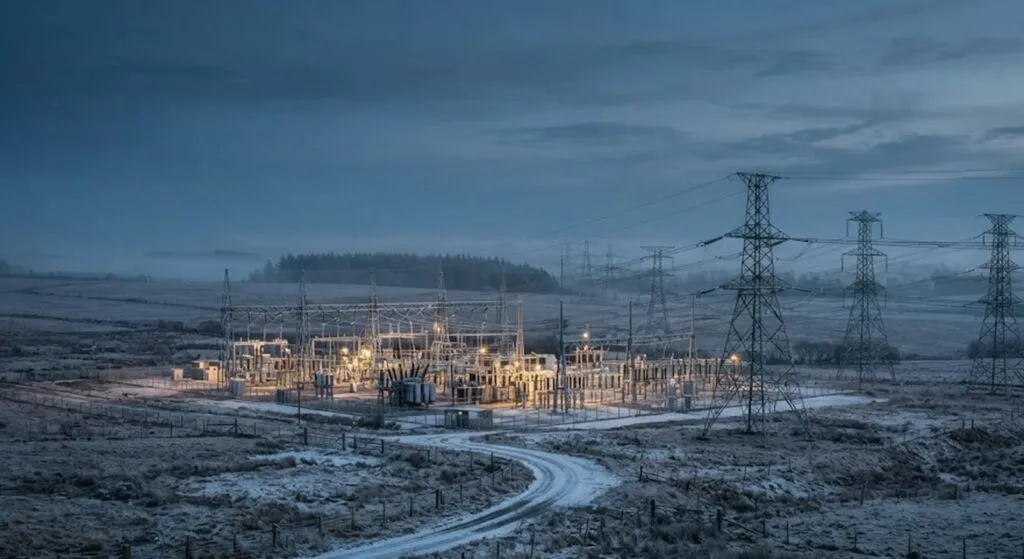
The offer is deliberately narrow - energy only, with a deadline before winter. When a power line goes down in...
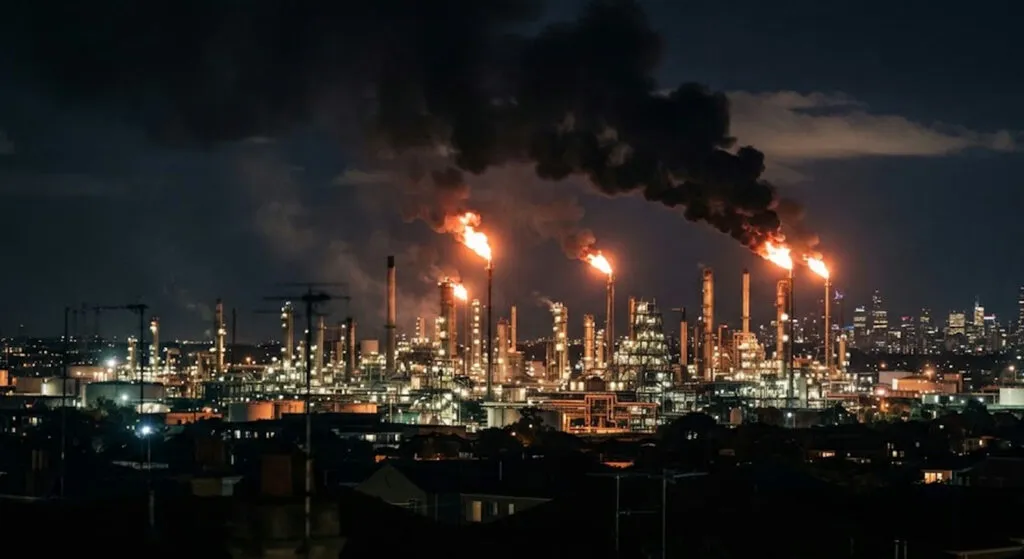
On the night Russia was closing its parliamentary elections, Ukrainian drones reached the refinery at Kapotnya and residential blocks in...
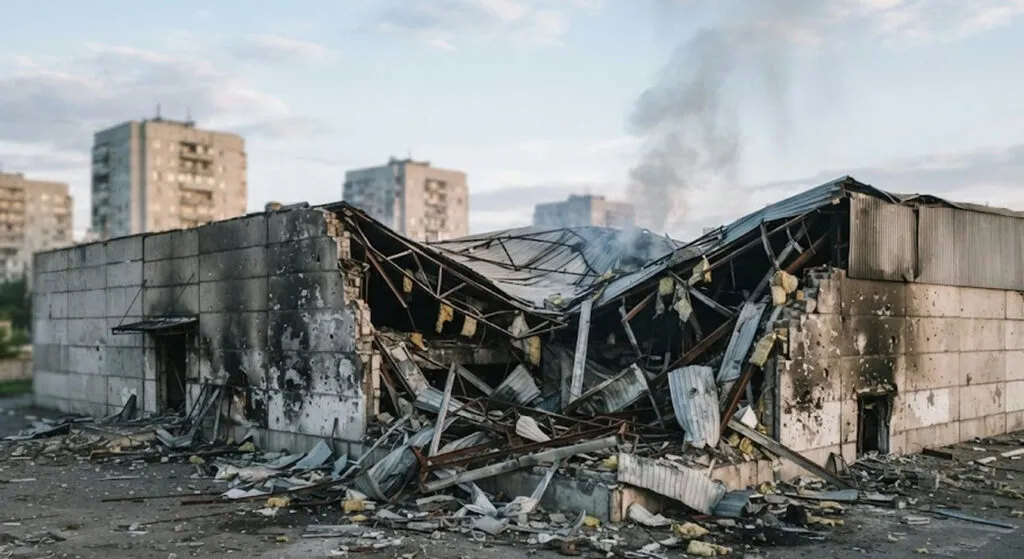
Every sentence about last night's offensive has the same author - the Russian Ministry of Defence. There is smoke over...
This site uses cookies - is that okay? Learn more
Be the first to know when Metla launches something new
Leave your email and we will write when there is a new guide or something new on Metla.