
Sixteen Arrests in Twenty-Four Hours, All for Drugs: The Police Are Working - But Where Are All These People Coming From?
20.09.2026


20.09.2026

20.09.2026

20.09.2026

20.09.2026

20.09.2026

20.09.2026

20.09.2026

20.09.2026

20.09.2026

20.09.2026

20.09.2026

19.09.2026

20.09.2026

20.09.2026

20.09.2026

20.09.2026

19.09.2026

18.09.2026

20.09.2026

20.09.2026

20.09.2026

20.09.2026

20.09.2026

20.09.2026

09.03.2026

27.02.2026

19.02.2026

20.09.2026

19.09.2026

18.09.2026

23.04.2026

23.04.2026

12.04.2026


When the whole venture industry only wants one kind of startup - the ones with „AI" in the name - how do you get 20 million dollars for a company doing online gaming tournaments? Lucra Sports, founded by Dylan Robbins, solved that with two tricks: a beer at a bar and a repackaged pitch.
Lucra offers a platform for interactive games as brand loyalty for companies - instead of collecting coupons, you play an online tournament for a prize, or wager with friends on who wins the next game at Dave & Buster's or Five Iron Golf. It is not AI. It is not robotics. It is not the next big thing - it is an old thing, repackaged digitally.
Yet Robbins convinced Cathie Wood and her ARK Invest Venture Fund to lead the Series B with 20 million dollars. ARK had already been burned by a similar product - Skillz, an earlier competitive gaming platform that the fund invested in and later sold at a loss. It was not an obvious bet. But Robbins had one ace: a personal connection.
„Six months after first playing darts in a bar in New York, I bumped into the same guy again. He had a job at ARK. We talked about Lucra and he introduced me to the investment team." That is how it started - no pitch deck, no cold email, just a conversation alongside the game.
The second trick: repackaging the pitch. „Q4 2025 was the peak of the AI noise. One in three calls, on the first line they told me: 'we only invest in AI, we don't want to waste time'." Robbins started writing the pitch opening with AI - not that the company makes AI, but that if AI works, people will have more free time for games, and if it doesn't, a non-AI bet looks like smart diversification. A hedge in both directions.
The point is that the venture world has dropped into an echo chamber. Anything without „AI" in the title gets a no. Lucra got money not because it outplayed the system, but because the founder found a soft spot - a VC sector afraid to say „I'm investing in something old" in front of its LP investors.
The latest 10 news from this category

Porsche, Alaska Airlines and J.B. Hunt are not buying startups - they are commissioning them. When innovation moves inside the...

Sold for two billion, blocked by the state, bought back by its own investors - and now worth twice as...

An eight-year-old firm that started out mining crypto has tripled its value in ten months. It did not discover anything...

The price of uranium has jumped 75 percent in five years, and the list of countries that mine it reads...
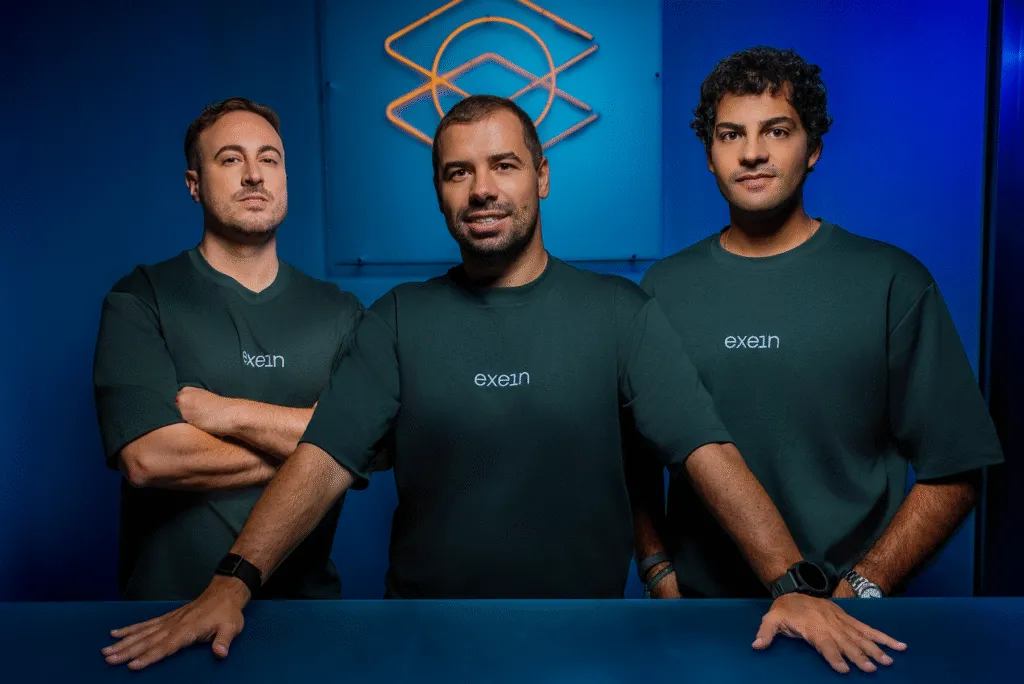
Exein raised 270 million dollars and its valuation jumped thirtyfold in two years. The European regulation coming into force in...

A startup valued at 94 million dollars changed hands, and both sides said openly what was being bought - not...
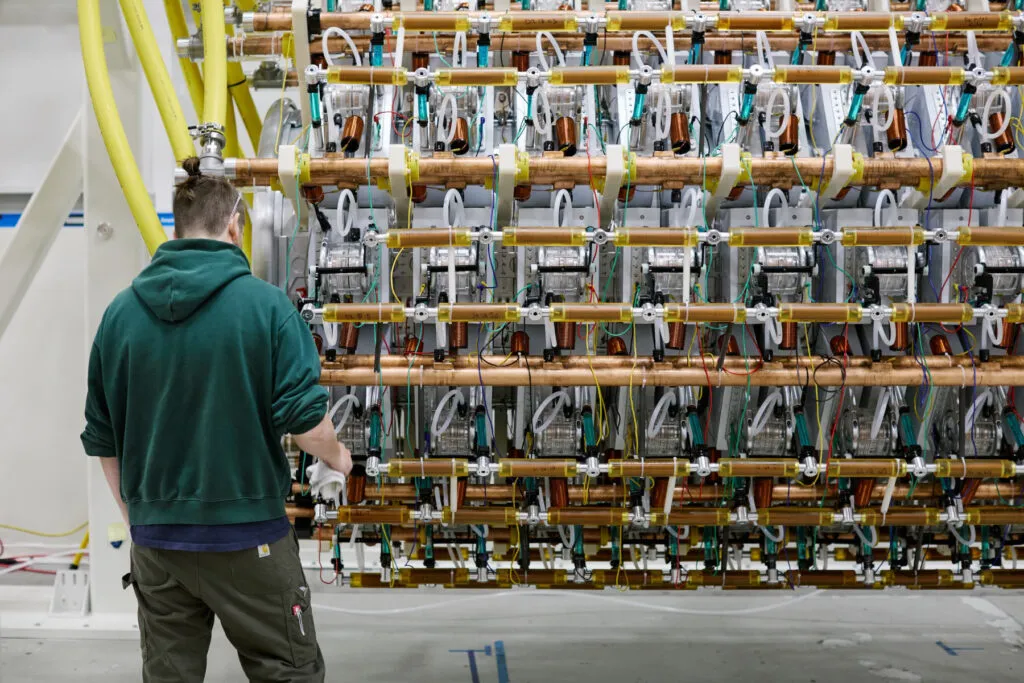
A technology sold for decades as the answer to the climate is now taking money from the defence industry. The...

The board voted, the founder kicked the administrators out of Slack and held out for three days. What does a...

Three months ago the company raised 60 million. Now it is worth almost ten times that, and its product is...

After Ohridska Banka, Sparkasse has gone after a second one. The approvals come from Podgorica, Belgrade and Frankfurt. The market...
This site uses cookies - is that okay? Learn more
Be the first to know when Metla launches something new
Leave your email and we will write when there is a new guide or something new on Metla.