


Kratovo man stabs police officer mid-intervention: prosecutors want the 40-year-old detained
15.09.2026


15.09.2026

15.09.2026
15.09.2026

15.09.2026

15.09.2026

15.09.2026
15.09.2026

14.09.2026
13.09.2026

15.09.2026

15.09.2026

14.09.2026
15.09.2026

15.09.2026

15.09.2026

15.09.2026

14.09.2026
13.09.2026
15.09.2026

15.09.2026

15.09.2026

15.09.2026

15.09.2026

14.09.2026

09.03.2026

27.02.2026

19.02.2026

15.09.2026
14.09.2026

14.09.2026

23.04.2026

23.04.2026

12.04.2026

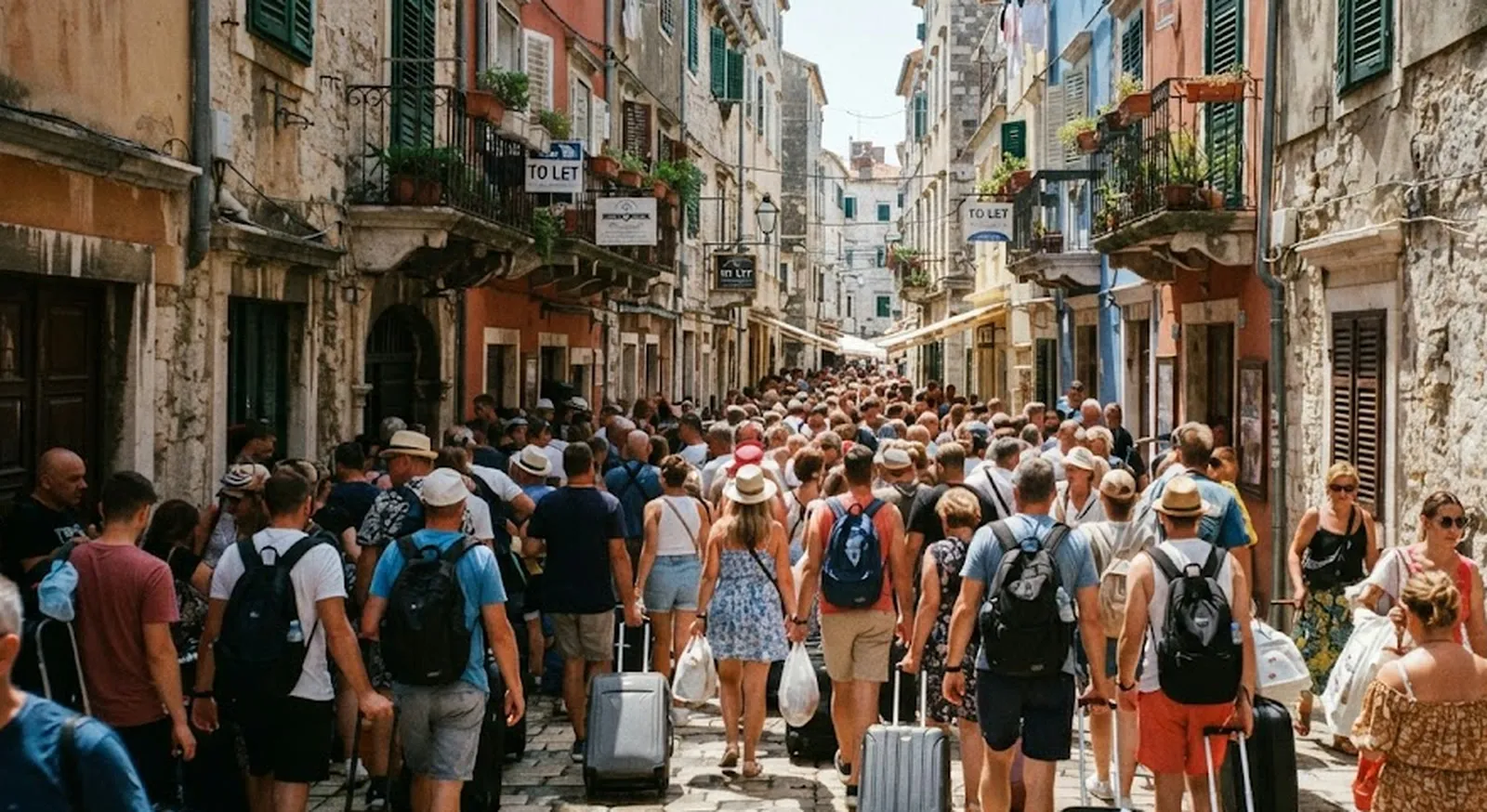
Twenty-five thousand people took to the streets of Palma de Mallorca on Sunday. Not against a government, not against a tax, not against a foreign state. Against tourists.
The protest was organised by the „Menys Turisme, Més Vida” initiative - „Less Tourism, More Life”. The crowd gathered on Plaça d'Espanya in the centre of Palma, moved through the city and ended in front of the cathedral, where organisers planned to read out a manifesto. Local police put the number at 25,000. Organisers had expected up to 40,000. The banners read „Mallorca overloaded” and „No more capacity”.
The timing is not accidental
Late July and early August - the peak of the season, the moment the island is at its fullest and the protest is most visible to precisely those it is addressed to. And, more importantly, months before regional elections expected this year. This is not spontaneous discontent. This is a politically calculated strike at the most sensitive point of an island that lives off the summer.
The demand is singular: fewer people
The core of the protest is not a higher tax or better infrastructure. The demand is a cap on the number of visitors. The reason is housing: according to the initiative's representatives, the surge in tourism and short-term rentals has created an acute housing shortage, to the point where a person on an average island wage cannot afford to live on the island. Mallorca draws visitors above all from Germany and the United Kingdom.
It is a mechanism that repeats itself identically everywhere: a flat that earns more in seven days in August than in a month from a local tenant stops being a flat. It becomes a product. And then the city stops being a city.
Now look towards Ohrid
This story is not Spanish. This story belongs to every town on the Mediterranean and in the Balkans that first sold its housing stock to tourism and then wondered where all the young people went.
Ohrid, Budva, Dubrovnik, Kotor, Sarandë - all of them sit at some point on the same curve. The only difference is how far along they are and how organised the people who live there year-round happen to be. In Palma, 25,000 people took to the street and said the number out loud: „no more capacity”. Who says that number here, and to whom?
The opposite problem is the same problem
In the Balkans we usually complain about the reverse - that we do not have enough tourists, that the season is short, that the neighbours earn more. Mallorca is a look into the future of that wish once it is granted without a plan: an island taking in more people than it can carry, with a local population turning into guests in their own town.
Nobody in the Balkans wants fewer tourists. The question is whether anyone is thinking at all about what happens when they all arrive at once and there is nobody to tell them there is a limit.
The latest 10 news from this category
Trump scaled back the military exercises to ease the tension, and Wonsan answered in the form of projectiles. What does...

The sanctions list got a seven-day extension instead of one measured in months, a move diplomats themselves call unprecedented. Two...
Switzerland offered a table for talks on Ukraine, Moscow replied that the table stopped being neutral once Bern adopted EU...
The will says one thing, a committee of twenty-one men decided another. The queen mother says the army pulled the...
A country that was Europe's byword for stability for decades now has a parliament split into two blocs by a...
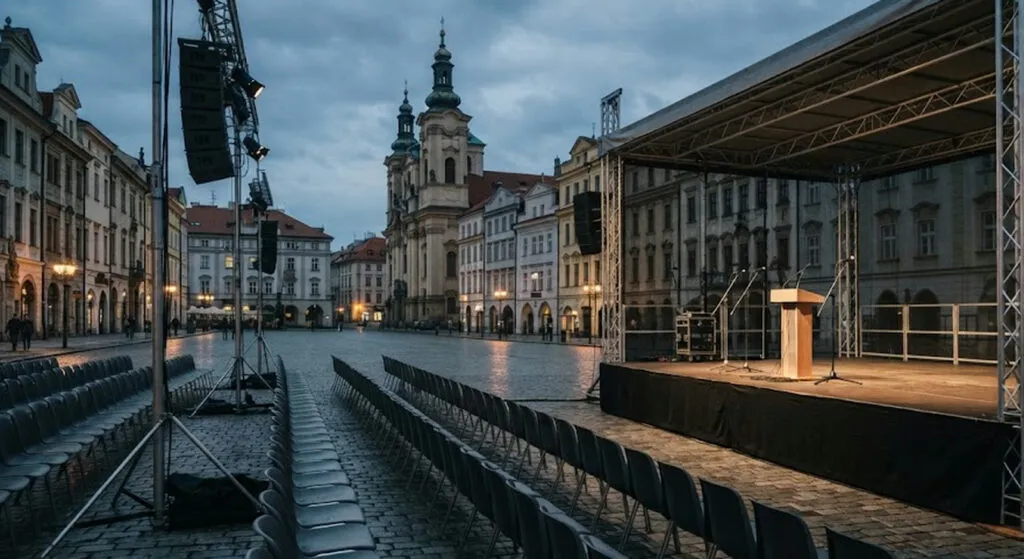
Sixteen years in power, defeat at a regular election, five months of quiet - and now the election result is...

When an institution with a legal department and a palace apparatus has to publish a list of its verified accounts,...

Nobody said they do not trust Washington. Everyone is behaving as though they do not - gold, weapons, the cloud...
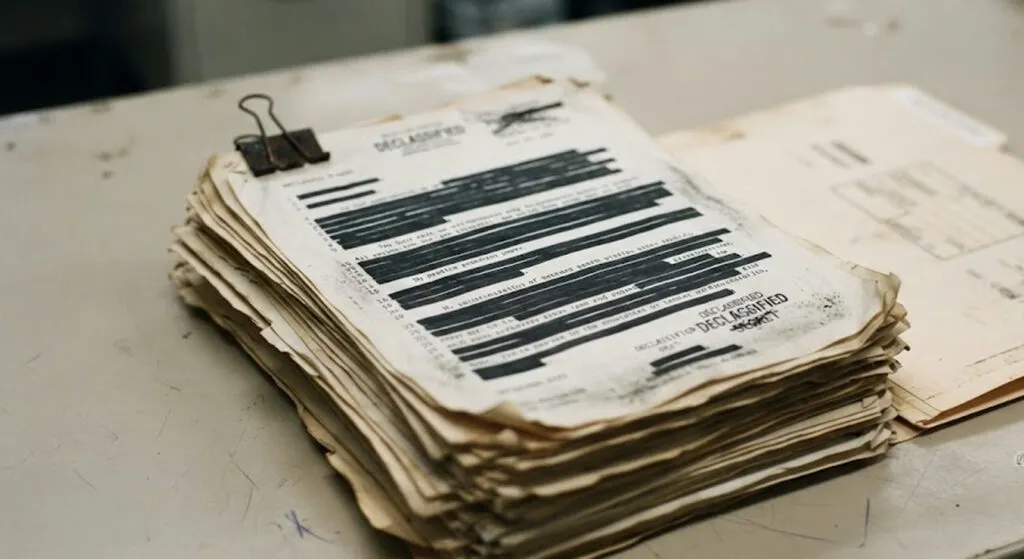
The warning reached the president three years before 9/11. The problem was not a lack of information, but that nobody...
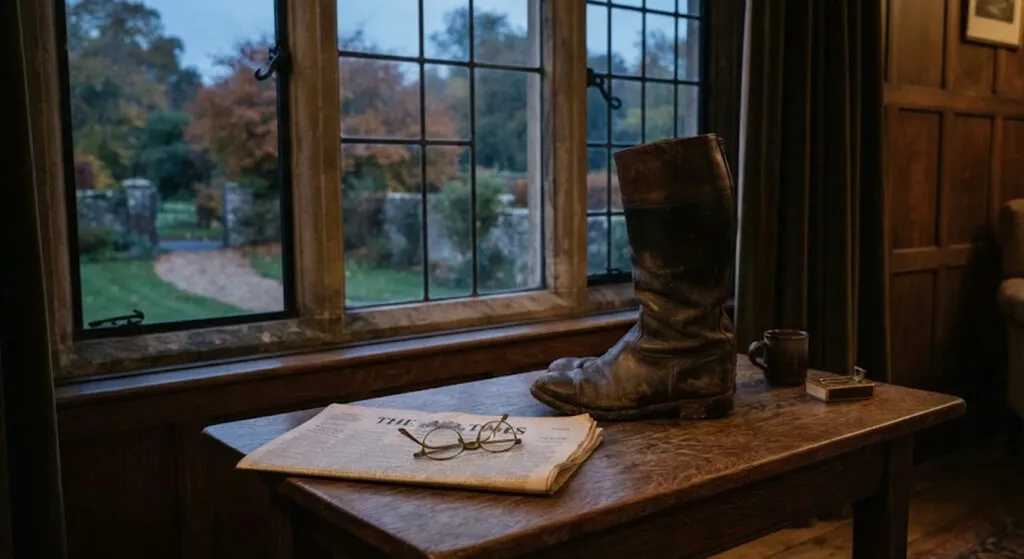
In 1976 tradition demanded the future king choose a bride with no past. Thirty years later that same king married...
This site uses cookies - is that okay? Learn more
Be the first to know when Metla launches something new
Leave your email and we will write when there is a new guide or something new on Metla.
