


Studeničani: 35-year-old dies after being electrocuted while washing his car with a pressure washer
18.09.2026


18.09.2026
18.09.2026

18.09.2026
18.09.2026

18.09.2026
18.09.2026
18.09.2026

17.09.2026

16.09.2026

18.09.2026

18.09.2026

17.09.2026

18.09.2026

18.09.2026

18.09.2026

18.09.2026

17.09.2026

16.09.2026
18.09.2026

18.09.2026
18.09.2026

18.09.2026

17.09.2026

17.09.2026

09.03.2026

27.02.2026

19.02.2026

18.09.2026

17.09.2026

16.09.2026

23.04.2026

23.04.2026

12.04.2026

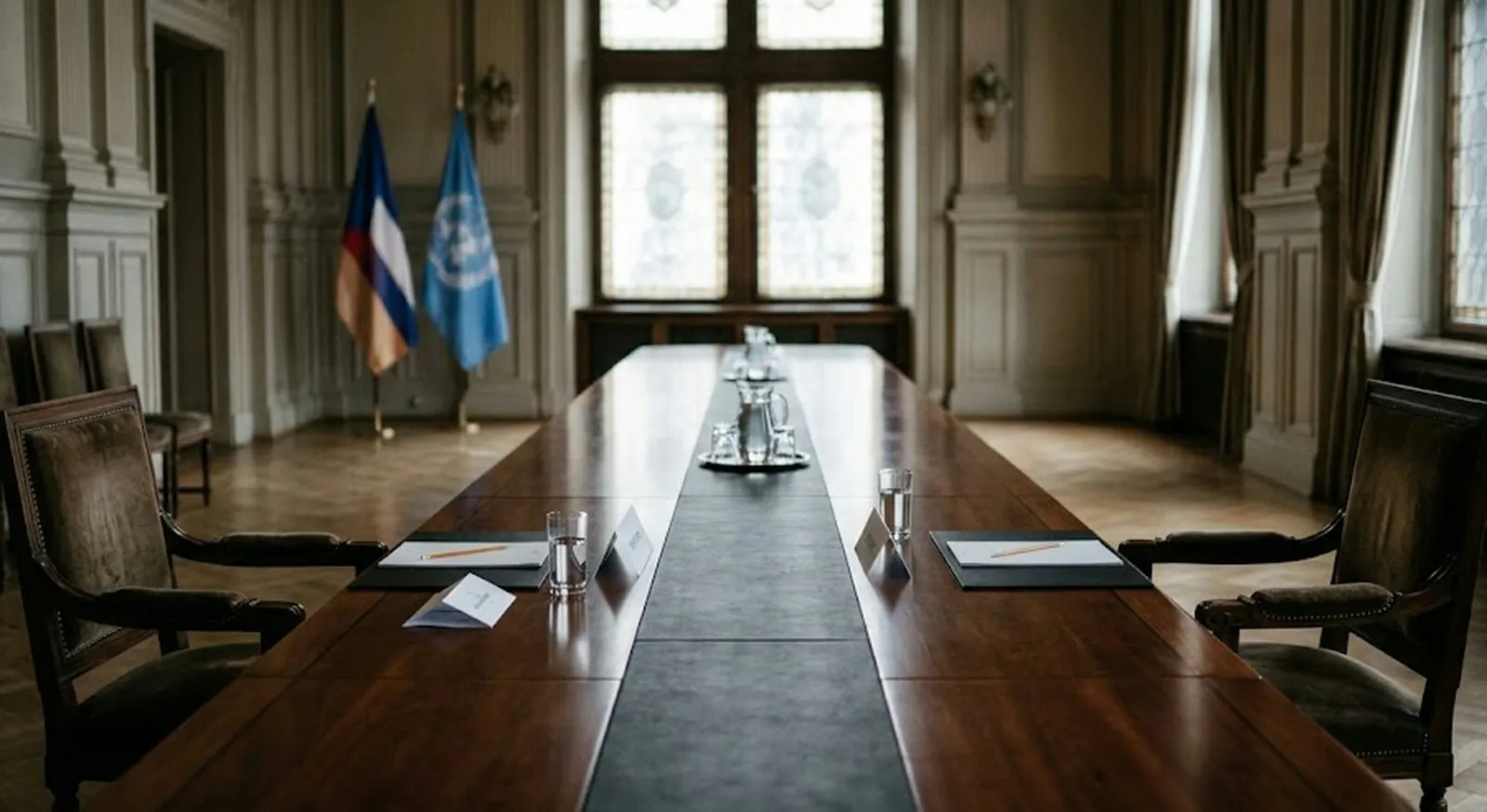
Every time a war drags on, the word "peace" appears - but not always the way we imagine it. In Russian media there's increasing speculation about a so-called "Minsk 3," a new ceasefire deal modeled on the earlier agreements from 2014 and 2015. Only this time, even those weighing it aren't sure that peace is in their favor.
Let's be clear right away: this is not a signed deal or an official negotiating framework. It's an analysis, speculation about possible scenarios - no concrete terms, no confirmation from Moscow, Kyiv, or the West that such talks are even underway. So it should be read soberly, not as news of a peace arriving tomorrow.
It's telling how they view this in Russia itself. Military analyst Mikhail Zvinchuk, formerly of the Russian Defense Ministry's press service, warns that a ceasefire would benefit Kyiv more than Moscow - because the West would use any pause to rearm and reorganize the Ukrainian army.
His most telling line hits on something universal for any army that pauses: "There are two armies - one that fights and one from peacetime. The second lags behind by at least five years." In other words, even a truce carries its dangers for the one who has grown used to waging war.
For the Balkans, who remember their own truces and agreements that solved little and froze much, this sounds familiar. How many times have we seen a "peace" that was really just a pause before the next round? The question hanging over every "Minsk 3" isn't whether it will be signed, but whether any of the signatories truly wants the war to end - or just wants a breather before continuing.
The latest 10 news from this category
The bill passed with 262 votes, and the key to it has been handed to a man who has already...
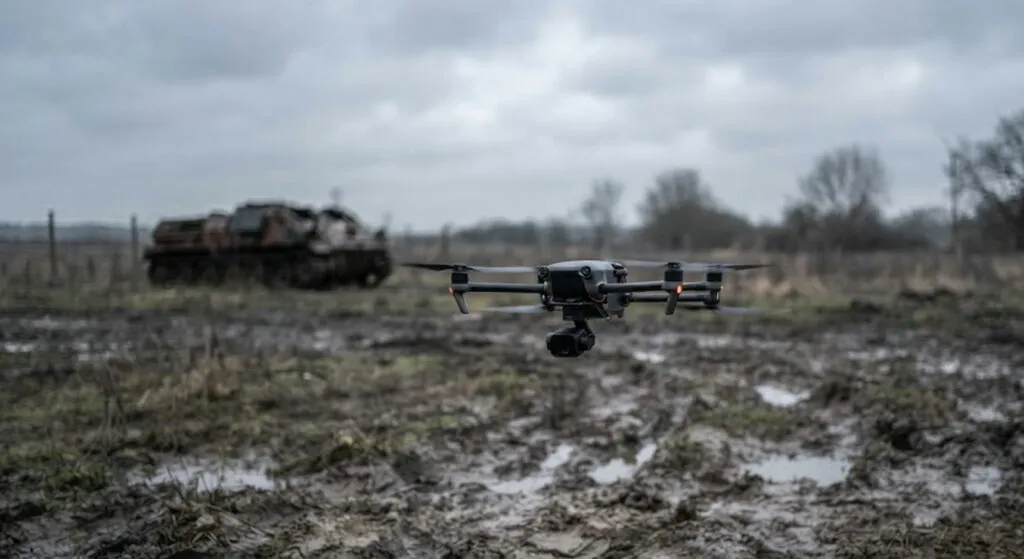
Ukraine adapts in weeks, the Alliance in decades. Europe is paying for Patriot systems from 1991 and is only now...
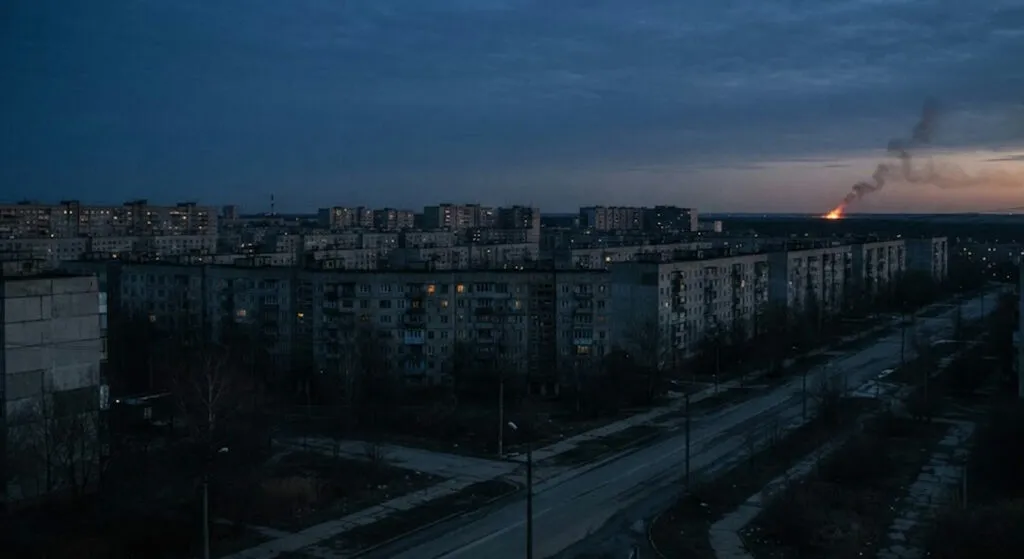
Missiles and drones on the Ukrainian capital, damaged water mains and residential buildings. The same night, Ukrainian drones set the...

Trump hopes the war is ending and is preparing to gather the Gulf leaders. Oil prices have jumped, and the...
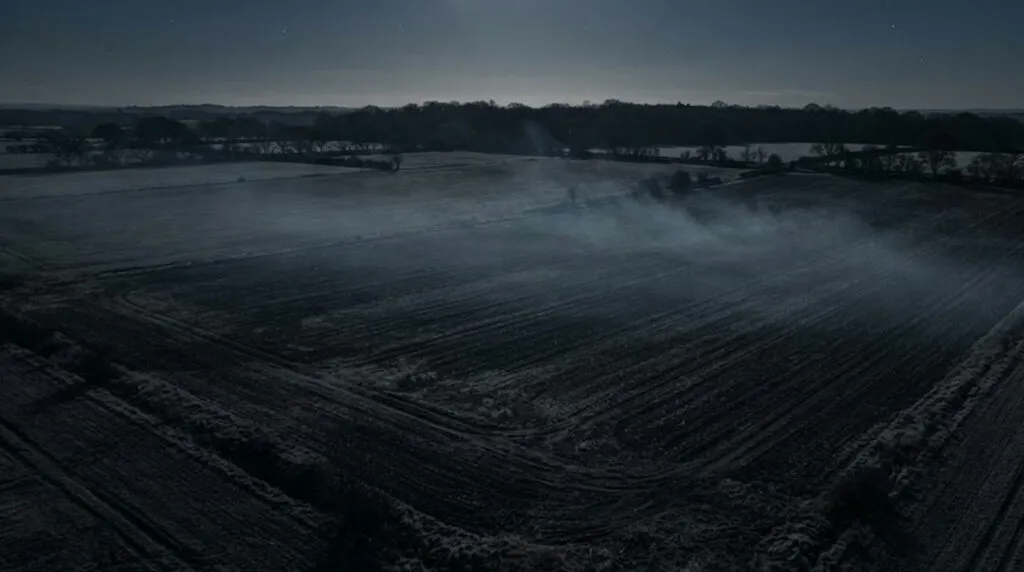
Ukraine says when, where and which unit did it. Russia's defence ministry has not a single sentence about the circumstances....
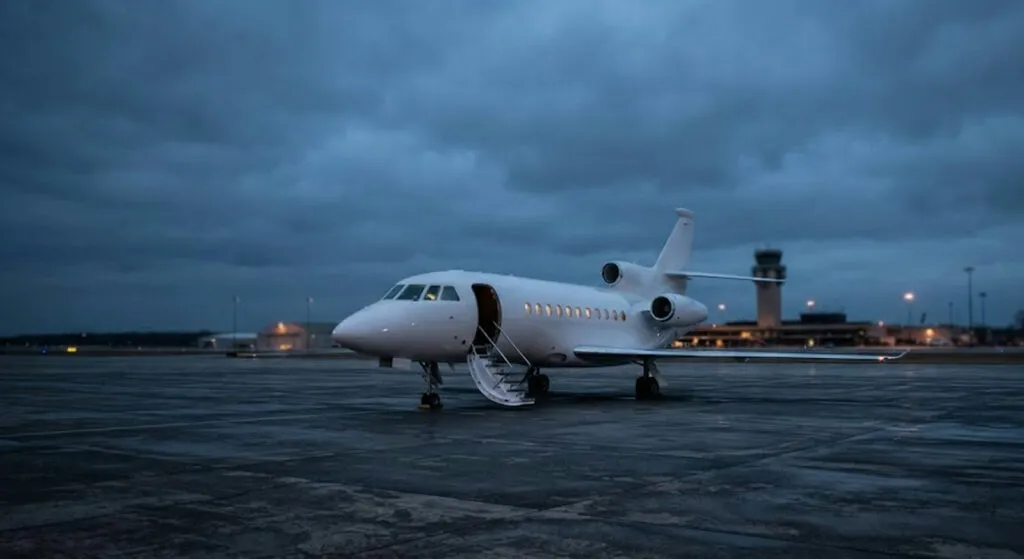
Norway's prime minister talks about a plane a drone "almost hit". Moldova, the only party holding the figures, reported that...
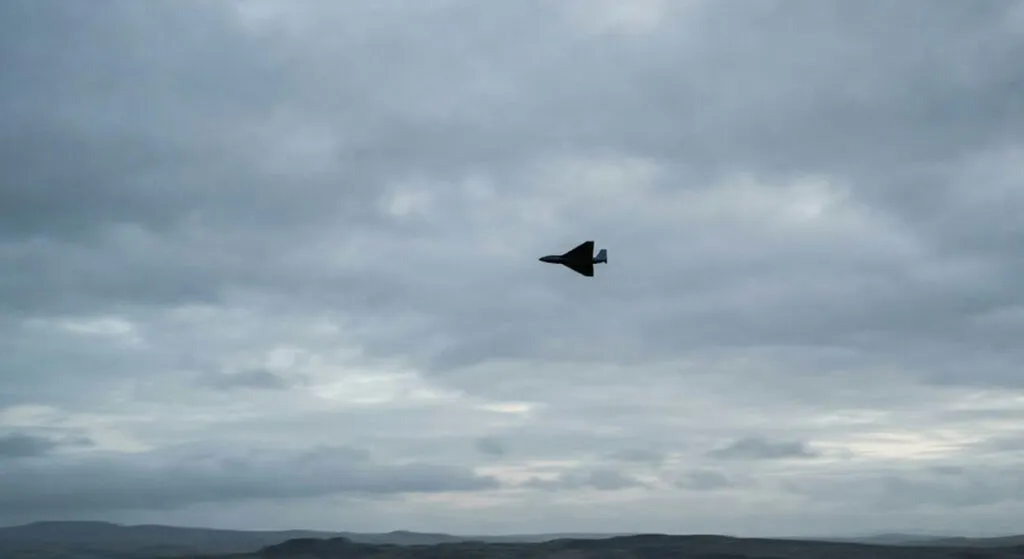
Ukraine was shooting down nine out of ten of the old drones. Then Russia changed the drone - and in...
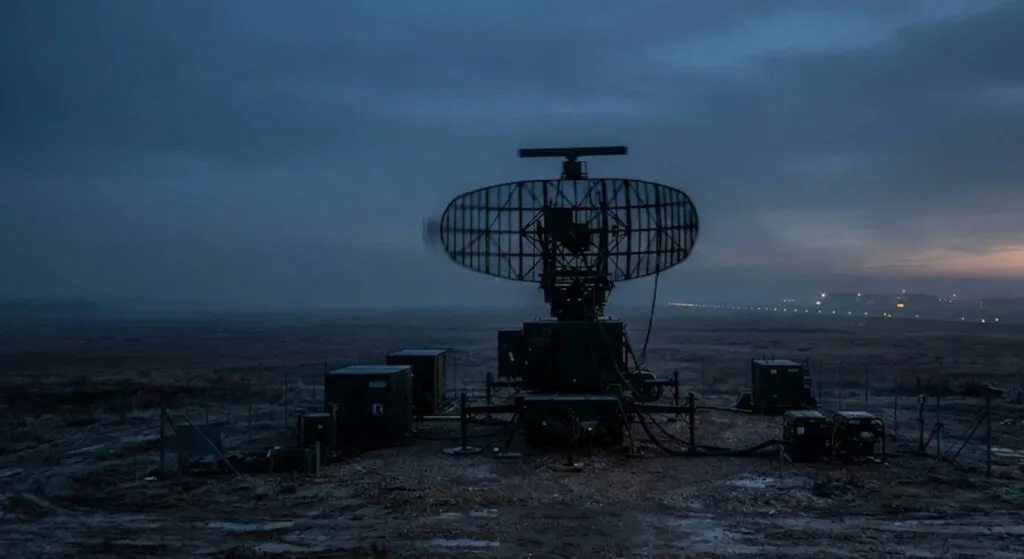
It was shot down a few minutes after midnight, and all of Vilnius got a warning on their phones. Two...
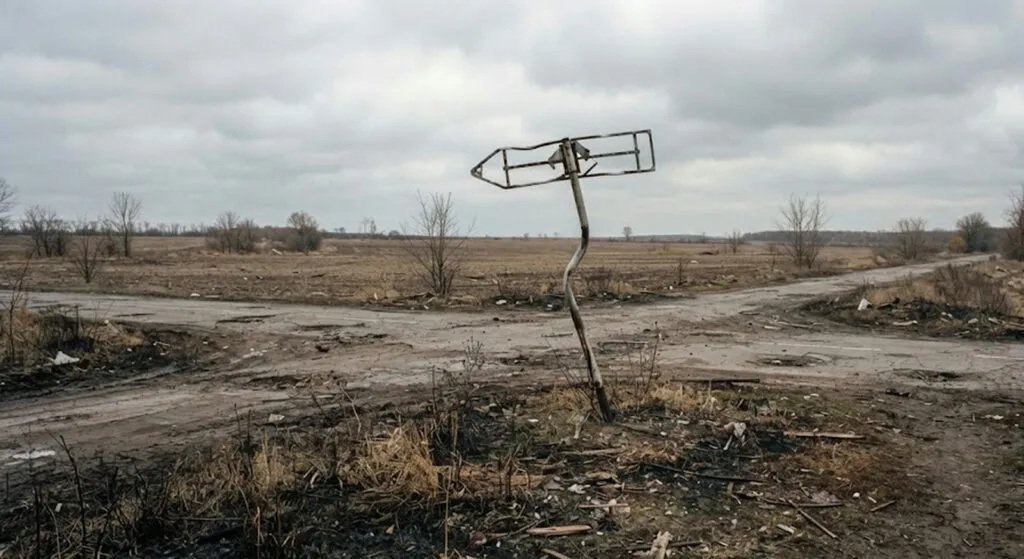
The entire story comes from one side, and the headlines turn it into a turning point. The difference between the...
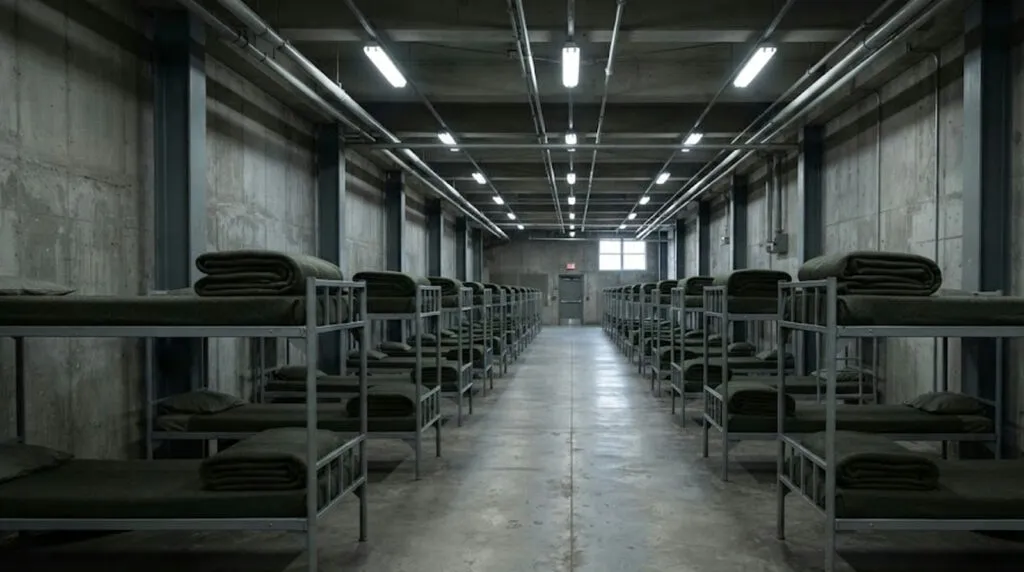
Between 2,300 and 3,000 North Korean soldiers have died in Kursk so far. Kim Jong Un has found an export...
This site uses cookies - is that okay? Learn more
Be the first to know when Metla launches something new
Leave your email and we will write when there is a new guide or something new on Metla.
