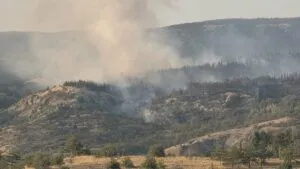
34 fires in 24 hours: three still burning, and the warnings put out nothing
09.09.2026


09.09.2026
09.09.2026
09.09.2026

09.09.2026

09.09.2026

09.09.2026
09.09.2026
08.09.2026
07.09.2026

09.09.2026

08.09.2026

08.09.2026

08.09.2026

08.09.2026

08.09.2026

08.09.2026

07.09.2026

06.09.2026
09.09.2026

09.09.2026

09.09.2026

09.09.2026

09.09.2026
08.09.2026

09.03.2026

27.02.2026

19.02.2026

23.04.2026

23.04.2026

12.04.2026

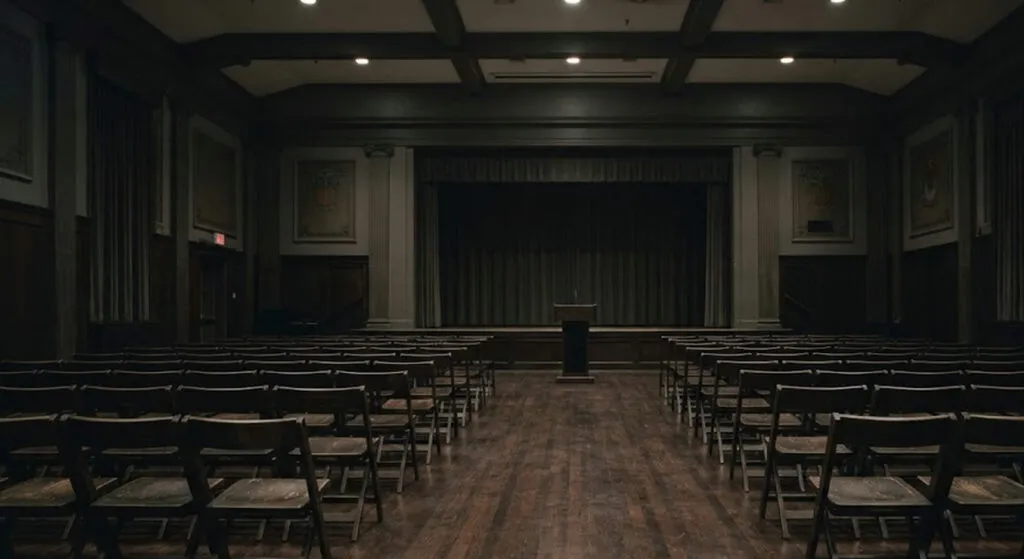
A memorial service for Ratko Mladić was held at the House of the Serbian Army in Belgrade. Serbia's justice minister, Nenad Vujić, was sitting in the hall. And then that same Serbia came out to explain that the state had nothing to do with it - the memorial was organised by an association of retired generals.
It is hard to construct a flimsier legal fiction. A justice minister attends a memorial for a man convicted of genocide, and the explanation is that he came privately, somehow. That same minister flew on the government plane that carried the remains back from The Hague, and had earlier announced that Mladić would receive "all military and state honours". Now the honours have suddenly vanished, and the generals' association carries the entire responsibility.
T-shirts with his face and the word "Hero"
People queued in two lines outside the building, around 150 of them. Another two hundred gathered in the nearby park, some in military uniform, some in T-shirts printed with Mladić's face and the word "Hero". An organised group came by bus from Bosnia and Herzegovina. The gathering was dressed in black and mostly refused to speak to journalists.
The man on those T-shirts was sentenced in 2017 to life imprisonment for the genocide in Srebrenica, where more than 8,000 Bosniak men and boys were executed in July 1995. It is the largest massacre in Europe since the Second World War. He was also convicted of crimes against humanity during the almost four-year siege of Sarajevo, when his forces shelled and sniped at civilians from the surrounding hills. More than 100,000 people were killed in that war and more than two million lost their homes.
A funeral without honours, but with everything else
Mladić will be buried on 7 September at Topčider cemetery, in a family grave, without state or military honours. Requests for burial in the Alley of Distinguished Citizens were refused. Vučić will not attend - he has a previously arranged visit to the president of Uzbekistan. Neither the prime minister nor the speaker of parliament will be there.
So: a government plane yes, a coffin wrapped in the Serbian flag and carried by soldiers of the Serbian Army yes, a minister on the plane yes, a minister at the memorial yes - but state honours no. Who is that distinction for? Brussels, of course. Certainly not the people in the park with the T-shirts.
The reaction from Brussels came immediately
EU Enlargement Commissioner Marta Kos cancelled her planned visit to Serbia, with the message that glorifying a convicted war criminal is incompatible with European values. Vučić dismissed her explanation as "stupid as usual" and asked ironically whether people should also be banned from turning up and making cemeteries for dogs.
The Council of Europe's human rights commissioner, Michael O'Flaherty, called on the authorities in Serbia and in Republika Srpska to oppose the glorification of war criminals. The Hague tribunal expressed solidarity with the victims. UEFA reacted too - Red Star was fined 90,000 euros and Borac Banja Luka 39,500 euros for chanting Mladić's name at European matches.
His son Darko Mladić claimed at a press conference that his father was "killed in The Hague through negligent treatment and the deliberate administration of overly strong opiates". He offered no evidence. Belgrade covered Mladić's personal costs and his family's visits to The Hague for years, and repeatedly sought his early release on health grounds.
Why this concerns us
The Balkans know this scene by heart. A man convicted of genocide dies, and the question that opens is not about the victims - it is about protocol. Whether the coffin was draped in a flag. Whether the minister was there privately or officially. Whether an association of generals is a state structure or not. Thirty years on, we are still negotiating the form and leaving the substance aside.
The families of the 8,000 killed in Srebrenica know what the name Mladić means. Two hundred people in a Belgrade park, in shirts reading "Hero", know something entirely different. No legal trick involving an association of retired generals erases the distance between those two memories.
The latest 10 news from this category
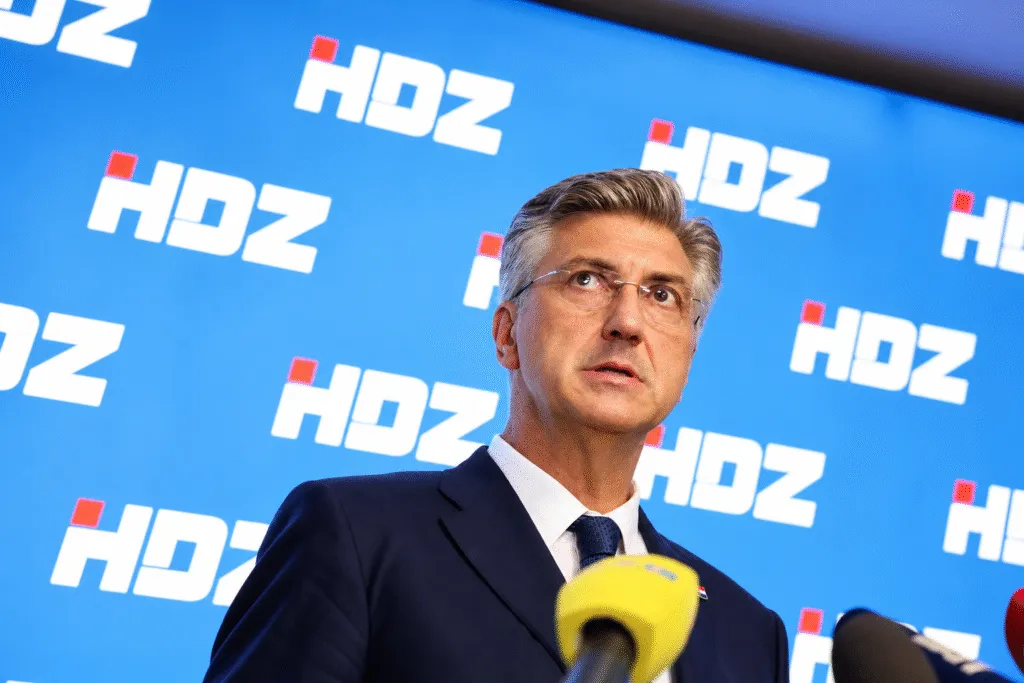
Serbia sent six ministers but not the leadership of the state - and then claimed these were not state honours....

Belgrade kept the last direct air link between Russia and Europe, and is now opening a route to an enclave...

The opposition is attacked not for what it proposes but for what it would hypothetically do. A mechanism the whole...
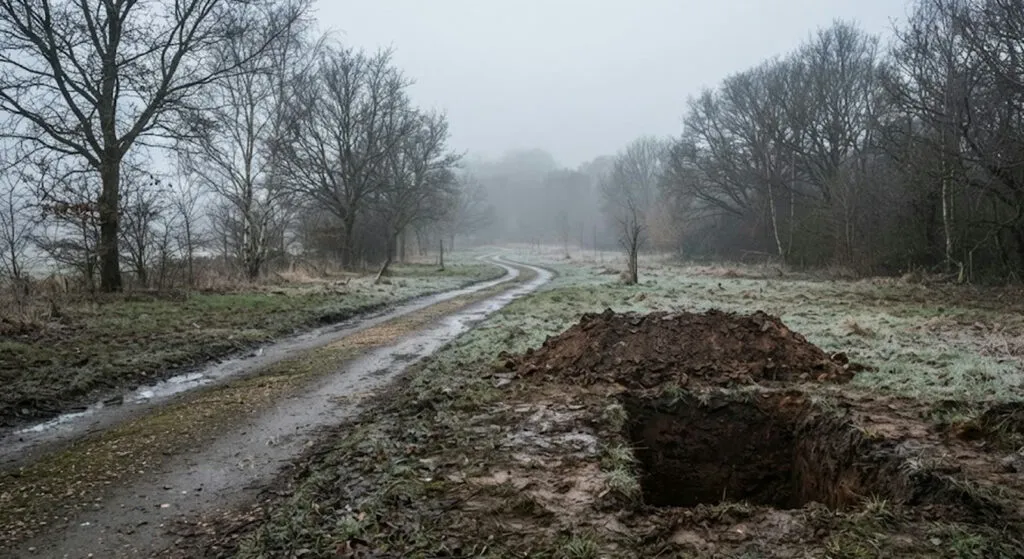
Convicted with final effect of the Srebrenica genocide, Ratko Mladić is receiving state and military honours in Belgrade. That is...
The constitution does not allow him a third presidential term, so the post changes - not the holder. Elections are...
Sanctions are written in Brussels but enforced on a quay in Durrës. One ship said no - and the route...
Two prime ministers of member states said they will not vote for sanctions that harm them. The argument looks like...
He crossed the border eight times in six days and no service flagged him as a risk. In the end...
A flag-draped coffin, people on the bridges and a state protocol for a man who died a convicted génocidaire. What...
After nearly a year of protests since the canopy collapse in Novi Sad, Belgrade has a date. Elections are a...
This site uses cookies - is that okay? Learn more
Be the first to know when Metla launches something new
Leave your email and we will write when there is a new guide or something new on Metla.