
Two Schoolyard Assaults Reported in a Single Day: the Police Promised Measures, the Education System Said Nothing
19.09.2026


19.09.2026

19.09.2026
19.09.2026

19.09.2026

19.09.2026
19.09.2026

19.09.2026

18.09.2026

17.09.2026

19.09.2026

19.09.2026

18.09.2026

19.09.2026

19.09.2026

19.09.2026

19.09.2026

18.09.2026

17.09.2026

19.09.2026

19.09.2026

19.09.2026

19.09.2026

19.09.2026
18.09.2026

09.03.2026

27.02.2026

19.02.2026

19.09.2026

18.09.2026

17.09.2026

23.04.2026

23.04.2026

12.04.2026

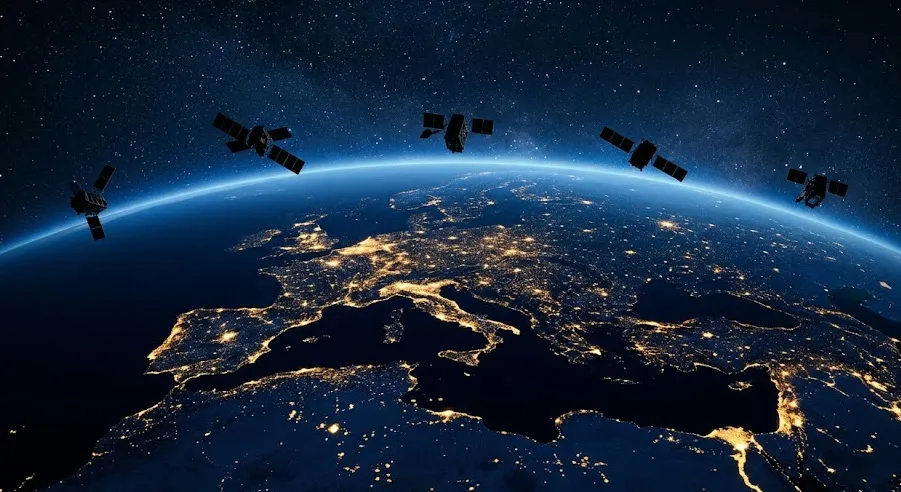
American military structures are growing increasingly concerned about a Russian programme called "Nivelir" - satellite systems allegedly designed to threaten US orbital infrastructure. According to Western assessments, Russia is developing capabilities that don't necessarily need to destroy satellites, but to block, jam or disable them - which is critical for US military, intelligence and communications networks.
Among the main systems mentioned: inspector satellites able to change trajectories and approach other spacecraft; "matryoshka" satellites that allegedly conceal smaller objects for later deployment; radio-electronic warfare systems and laser systems such as "Zadira". On the ground, the S-500 air defence systems are potentially capable of striking objects in space.
Russian satellites have shown unusual manoeuvres since 2013, with particular concern raised by a 2025 incident when a Russian satellite reportedly tracked the American reconnaissance satellite NRO 338 KEYHOLE. Which means the two biggest players in space are no longer competing only on the ground.
For a Balkan audience, this is a signal that war now has four dimensions - air, land, sea and now orbit. The question is who will answer for damage to satellites above the quiet world's targets - no law has a concrete mechanism for it. Until recently, space was considered a "shared" domain. Today it is increasingly the territory of whoever has the missile power to close it off.
The Pentagon's silence is not a sign of helplessness - it is a sign of unwelcome acknowledgement. When one power quietly tests another's capabilities, there's usually a period of years in which nobody officially admits anything. History has told us that in such periods you read the moves better than the speeches.
The latest 10 news from this category
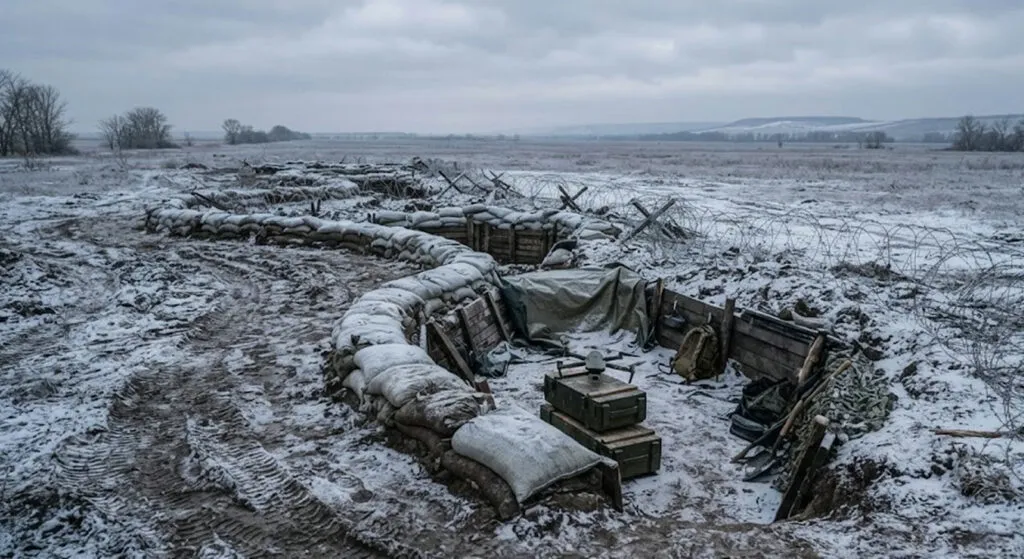
Around 8,500 North Korean soldiers are still in Russia, among them 1,000 engineers and 400 drone operators. Estimates point to...
The unit was running, the operating regime did not change, there was no fire. The difference between a news item...

The bill passed with 262 votes, and the key to it has been handed to a man who has already...
Ukraine adapts in weeks, the Alliance in decades. Europe is paying for Patriot systems from 1991 and is only now...
Missiles and drones on the Ukrainian capital, damaged water mains and residential buildings. The same night, Ukrainian drones set the...

Trump hopes the war is ending and is preparing to gather the Gulf leaders. Oil prices have jumped, and the...

Ukraine says when, where and which unit did it. Russia's defence ministry has not a single sentence about the circumstances....
Norway's prime minister talks about a plane a drone "almost hit". Moldova, the only party holding the figures, reported that...
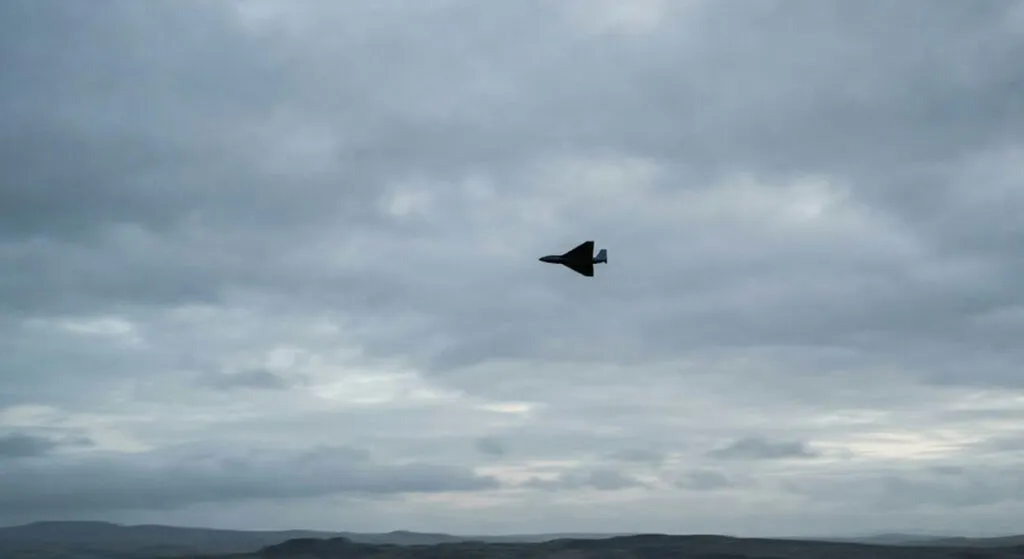
Ukraine was shooting down nine out of ten of the old drones. Then Russia changed the drone - and in...
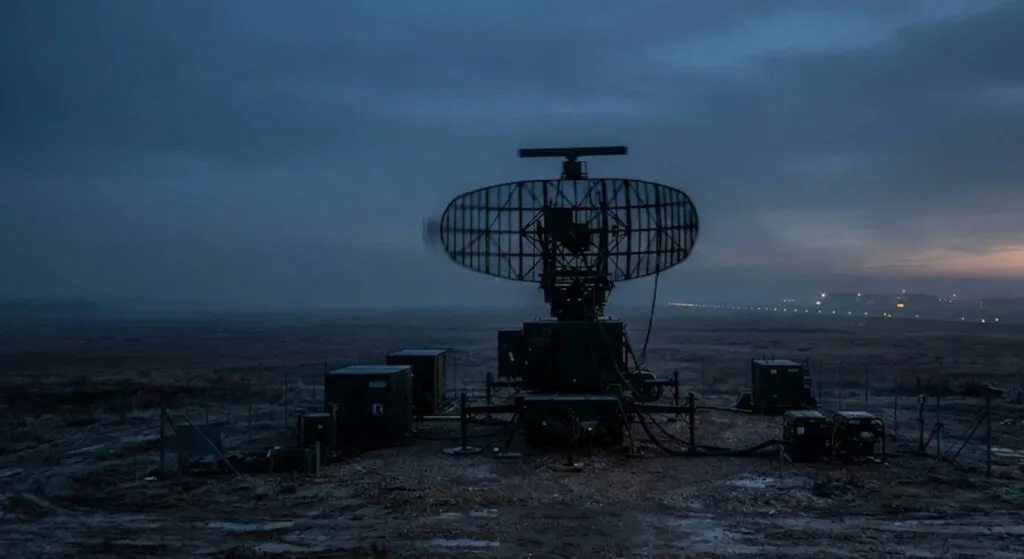
It was shot down a few minutes after midnight, and all of Vilnius got a warning on their phones. Two...
This site uses cookies - is that okay? Learn more
Be the first to know when Metla launches something new
Leave your email and we will write when there is a new guide or something new on Metla.