

Kratovo man stabs police officer mid-intervention: prosecutors want the 40-year-old detained
15.09.2026


15.09.2026

15.09.2026
15.09.2026

15.09.2026
15.09.2026

15.09.2026

15.09.2026

14.09.2026

13.09.2026

15.09.2026

15.09.2026

14.09.2026

15.09.2026

15.09.2026

15.09.2026

15.09.2026

14.09.2026

13.09.2026

15.09.2026

15.09.2026

15.09.2026

15.09.2026

15.09.2026

14.09.2026

09.03.2026

27.02.2026

19.02.2026

15.09.2026

14.09.2026
14.09.2026

23.04.2026

23.04.2026

12.04.2026

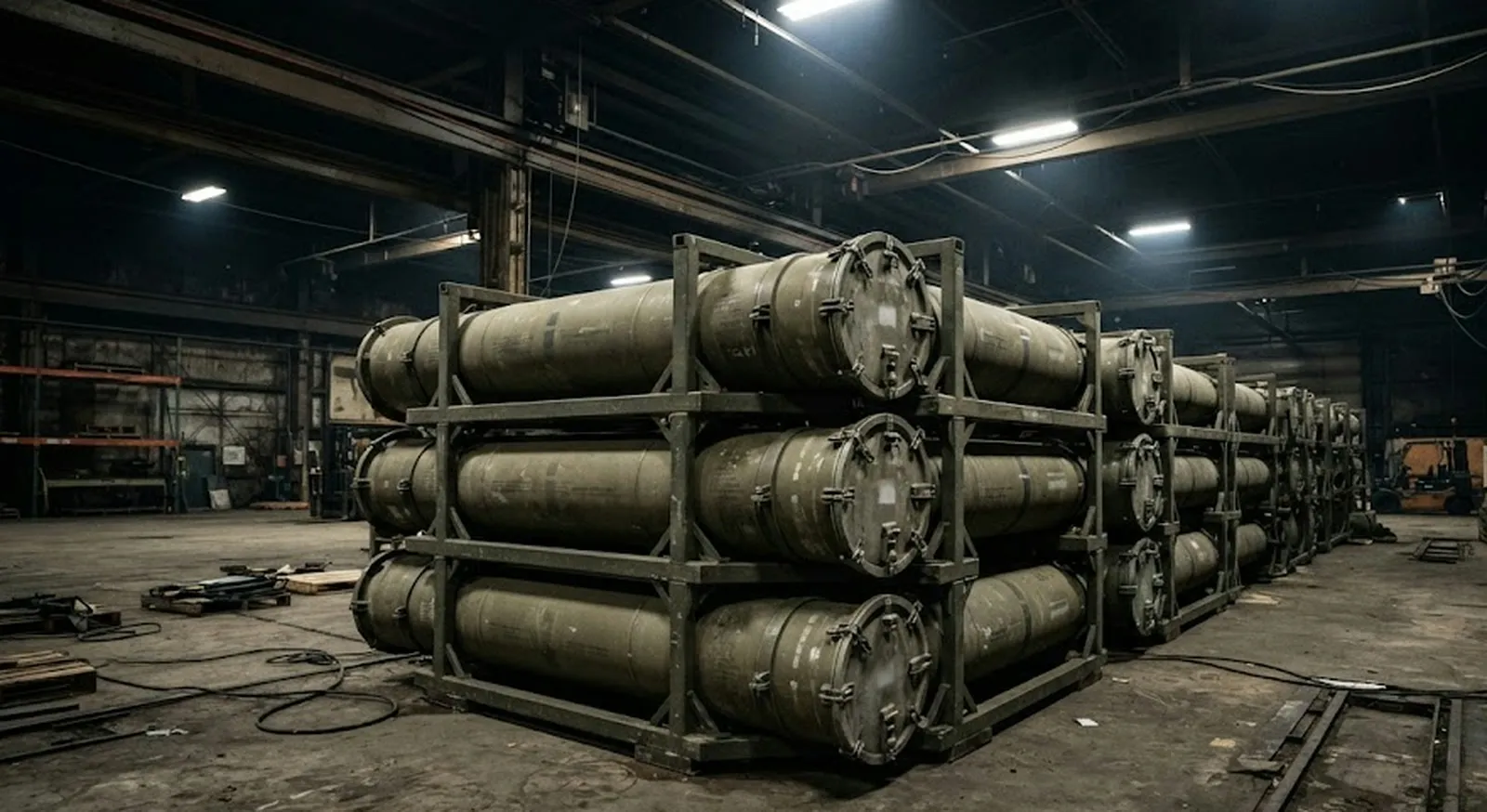
A war meant to be a demonstration of strength tripped over something far more mundane: supplies. US President Donald Trump has postponed a plan for a major expansion of military operations against Iran after being warned that continuing the war would dangerously deplete American reserves of Patriot missile interceptors and other munitions for air defence systems in the Middle East.
According to reports in the American press, the decision came after a meeting with his closest advisers and senior members of the administration. It was the chairman of the Joint Chiefs of Staff, General Dan Caine, who warned the president behind closed doors about the seriousness of the situation. So: no peace movement, no protests, no pressure from allies. The arsenal's bookkeeping.
The strongest army in the world is counting interceptors
American stocks of air and missile defence rockets are already reduced, and a sharp expansion of the conflict with Iran could push them to dangerously low levels. The greatest concern is precisely the interceptors for the Patriot systems - the ones protecting American bases and allies in the region. Thirteen days of uninterrupted strikes, and one of the most powerful military machines in history is starting to see the bottom of the box.
That is the detail worth remembering, because it demolishes the whole mythology of an inexhaustible Western war machine. If thirteen days of intensive operations bring American air defence to the red line, what does that mean for every smaller player counting on somebody else to defend them if it comes to that?
The fear is not only about ammunition
Washington is simultaneously worried that new mass strikes would trigger an even wider war in the Middle East, damage relations with key allies in the Persian Gulf and set off global economic shocks. Among the possible consequences cited are a further sharpening of the energy crisis and a new wave of migration.
Almost nobody in Trump's inner circle thought the escalation plan was sensible. One US official assessed that new large-scale strikes would probably not bring Iran back to the negotiating table but would produce the opposite effect - uniting the country in the face of an external threat. That is a lesson the Balkans paid for with their own skin: bombing rarely separates people from their government. More often it welds them together.
A pause, not a cancellation
The US military continues preparing plans for a return to major combat operations against Iran, but Trump has so far issued no order to carry them out. On Friday he ordered new strikes to stop, ending a run of American attacks that had lasted thirteen days without a break.
The decision does not mean the military option has been withdrawn. The Pentagon is carrying on with preparations, but the plan for an immediate expansion of the war is on hold while the White House assesses how long American air defence could sustain a high-intensity conflict. In other words, the war did not stop because of reason. It stopped because of inventory. The question left hanging is simple: what happens when the warehouses are full again?
The latest 10 news from this category
Between 2,300 and 3,000 North Korean soldiers have died in Kursk so far. Kim Jong Un has found an export...
A NATO fighter jet downed an unmanned aircraft over Lithuania minutes after midnight, and citizens got the warning on their...
The train was empty, the locomotive damaged, nobody hurt. But Boris Johnson and a group of European security advisers had...
453 drones in one night, 405 shot down - and the forty-eight that got through land somewhere. Poland's prime minister...

Trump's son-in-law told an audience in Kyiv the deal is done - if Ukraine withdraws. And added that the battlefield...
A barren volcanic rock in the middle of a strait 28 kilometres wide changed the oil market in a single...
Hostomel, Odesa, Kryvyi Rih - targets that are not the front line but the supply chain. A war against the...

We don't want war with Europe, but here is exactly how that war would start. He said both sentences in...

When an army recalls its special forces with a 12-hour deadline, that is not a rota but a signal. The...

Port infrastructure in Makhachkala and the theatre building caught fire, the governor said. Moscow claims it shot down 448 drones...
This site uses cookies - is that okay? Learn more
Be the first to know when Metla launches something new
Leave your email and we will write when there is a new guide or something new on Metla.
